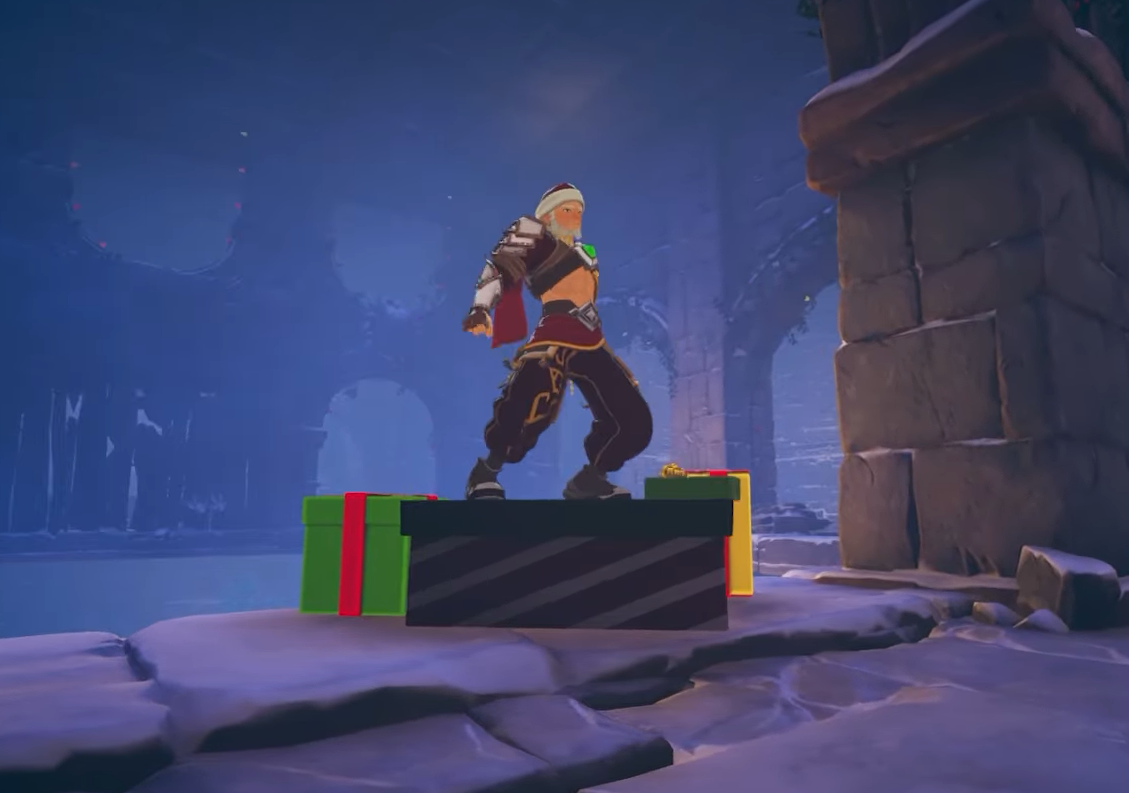
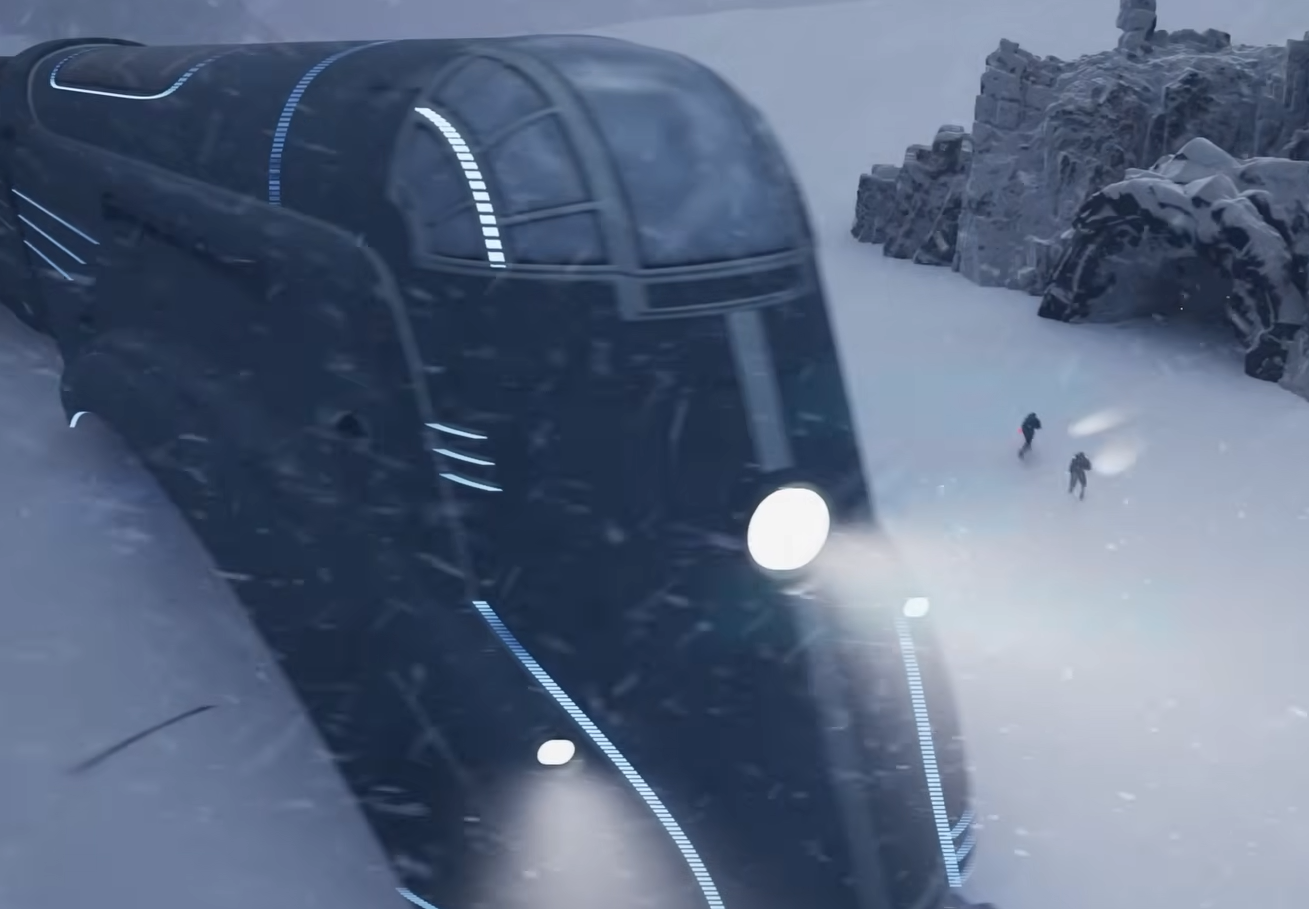
Hearken, brave champions of Cloudheim! The winds of change are blowing, and they carry with them the crisp, invigorating chill of a brand new update! Prepare yourselves, for the “Frostfall” update has arrived, blanketing the realms in a mesmerising layer of ice and introducing a host of thrilling new challenges, magical wonders, and strategic depths. Cloudheim, as you know it is about to experience its most profound winter yet!
We’ve listened intently to your whispers across the realms, your battle cries, and your desires for fresh adventures. Frostfall is our answer – a meticulously crafted update designed to immerse you in a stunning, snow-kissed world while pushing the boundaries of your strategic prowess and rewarding your courage.
What Awaits You in the Frostfall Update?
Brace yourselves for a blizzard of exciting new content and game-changing features:
The Icy Reach of the Frostlands: Venture into the newly unveiled Frostlands, a vast and perilous new region where ancient glaciers groan, and blizzards rage endlessly. Explore frozen forests, navigate treacherous ice caves, and discover the secrets buried deep beneath layers of eternal snow. Beware, for new, chilling creatures lurk in these unforgiving wastes, guardians of forgotten power.
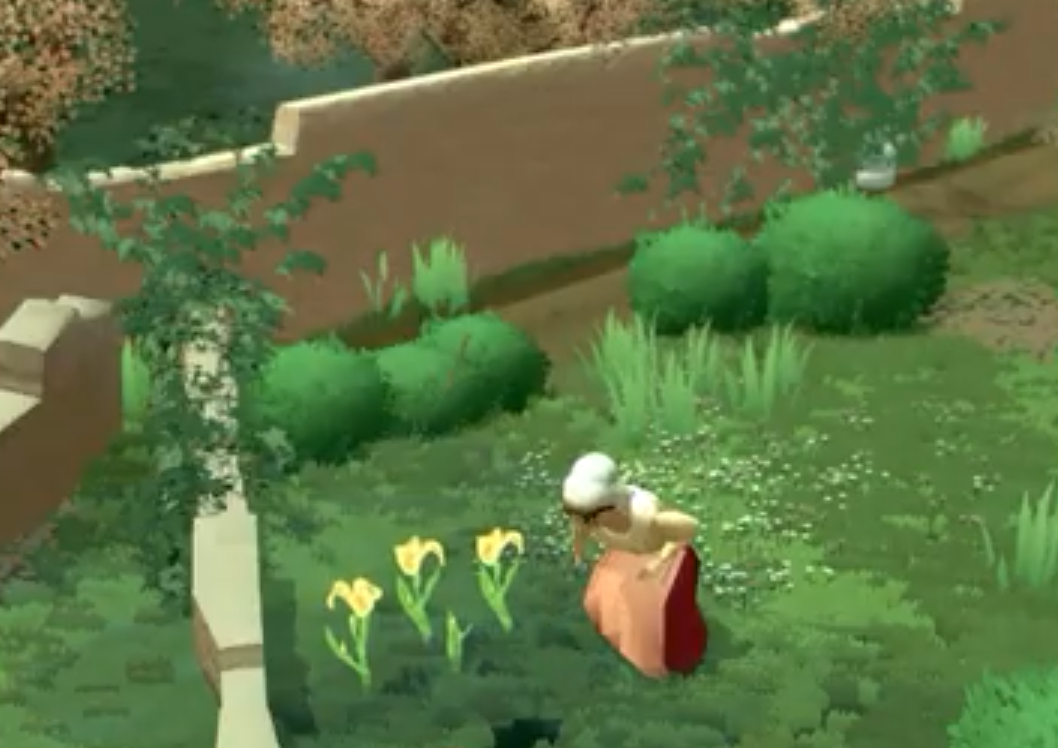
In the bustling world of gaming, it is rare to find a title that encourages you to truly slow down. Yet, that is exactly what The Abbess Garden (developed by MD Studio) demands. Set against the lush, historically rich backdrop of 17th-century France, this indie gem is a love letter to botany, history, and the quiet art of observation.
Whether you’re a fan of Strange Horticulture or just looking for a sanctuary from high-octane shooters, here is why this game should be at the top of your 2026 wishlist.
Restoration and Rebellion
The year is 1643. You are Agnès, a young peasant woman entrusted with a rare and forbidden task: restoring the private garden of the Port-Royal-des-Champs abbey. While the world outside is embroiled in the political tensions of a shifting French regency, your world is measured by the growth of roots and the turning of seasons.
But the abbey holds more than just soil. As you clear the overgrowth, you stumble upon a spy plot involving a mysterious book left by a deceased informant. Balancing your daily chores with a quiet conspiracy, you’ll interact with historical figures and find a tender, queer romance that blossoms as naturally as your flowerbeds.
What Makes it Unique?
Authentic Horticulture: This isn’t “click-to-grow.” Inspired by real botany, you must manage soil types (clay, sand, gravel), moisture levels, and plant proximity to help your garden thrive.
Grid-Free Growth: There are no rigid squares here. You can plant seeds anywhere, allowing the landscape to grow organically and reflect your personal aesthetic.
Historical Accuracy: Developed in collaboration with historian Sylvain Hilaire, the game is based on actual research into 17th-century landscape history.
A “Quiet” Narrative: The story moves at your pace. Chapters advance only when you feel ready, giving you ample time to simply listen to the harp-led soundtrack and watch the seasons change.
The Aesthetic: A Living 17th-Century Painting
The art style of The Abbess Garden feels like stepping into a hand-drawn illustration. It prioritises atmosphere and intimacy, capturing the soft light of a French morning. The game was recently featured in the Women-Led Games Showcase, highlighting its status as a meticulously crafted narrative experience.
“The Abbess Garden is cozy at heart—a small world where you garden at your own pace, letting the story advance only when you feel ready.” — MD Studio
Quick Reference: Game Specs
Detail
Information
Release Date
March 2, 2026
Platforms
PC (Steam / Steam Deck)
Developer
MD Studio (Led by Dr. Edwige Lelièvre)
Publisher
indie.io
Genre
Cozy Gardening / Narrative Simulation
Final Thoughts
If you are looking for a game that respects your time and rewards your curiosity, The Abbess Garden is a sanctuary worth visiting. It’s a rare title that treats gardening as both a mechanical challenge and a meditative act of rebellion against the chaos of history.
The demo is currently available on Steam!
The Abbess Garden on Steam – https://shorturl.at/iMOXo
In the world of fantasy gaming, we’ve spent decades kicking down dungeon doors, looting chests, and slaying dragons. But have you ever stopped to wonder how much work it is to run the dungeon?
Enter Vambrace: Dungeon Monarch, the latest title from Dvora Studio (the team behind Vambrace: Cold Soul and The Coma). Released earlier this year, this game invites you to hang up your hero’s sword and pick up the crown of a dark regent.
The Ultimate Power Trip: Playing the Villain
In Vambrace: Dungeon Monarch, you aren’t the underdog hero—you are the ultimate obstacle. As the guardian of a fading deity, your job is to defend your territory from waves of “heroes” who see your home as nothing more than a source of XP and loot.
The game beautifully captures the feeling of being a mastermind. You sit at the heart of your domain, watching as arrogant knights and greedy mages walk into your traps. It’s a refreshing perspective shift that makes every victory feel like a successful master plan coming together.
How It Plays: Strategy Meets Chaos
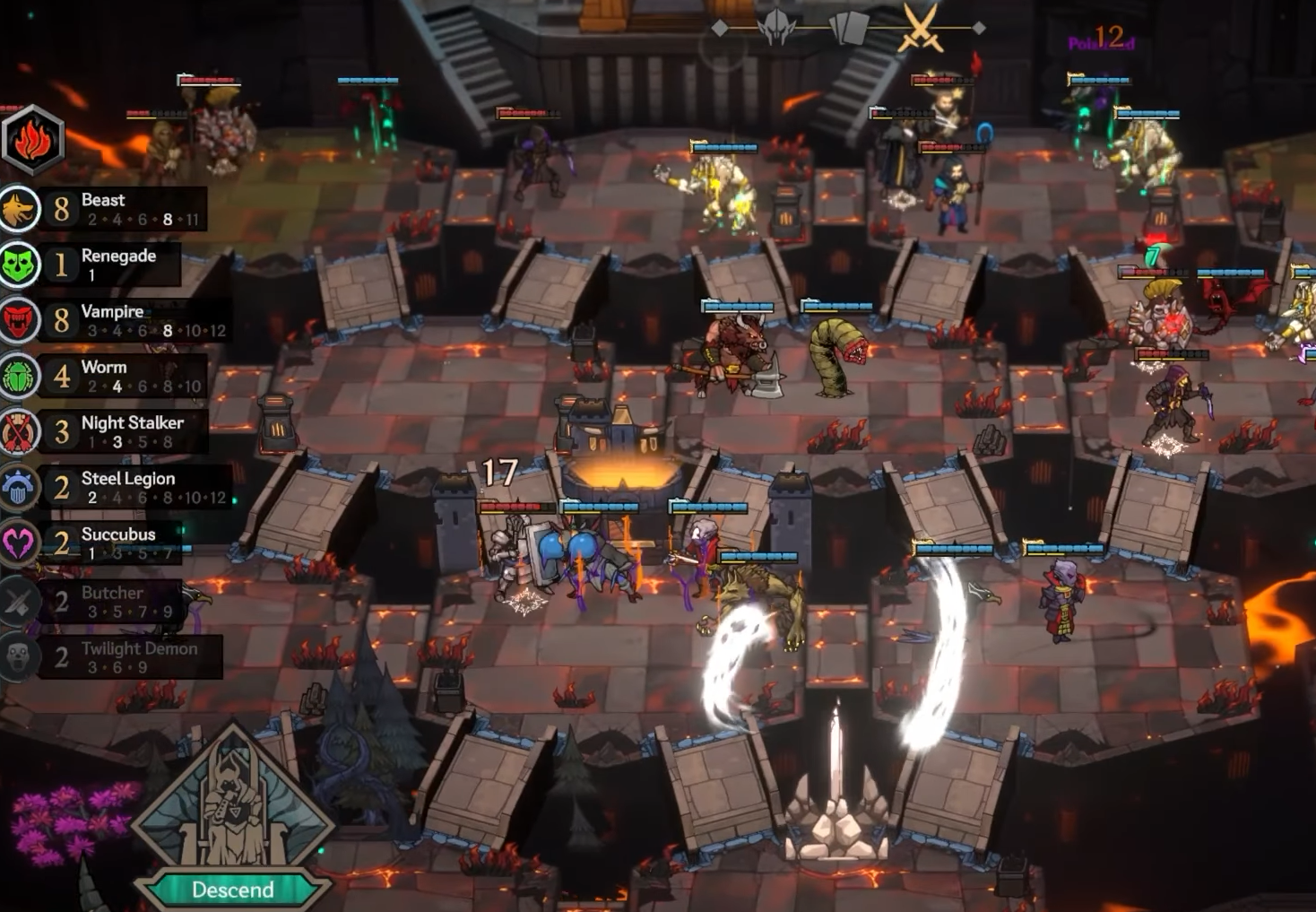
If you’re wondering where this fits on your digital shelf, imagine a blend of deck-building strategy and fast-paced auto-battling.
Build Your Legion: You collect and upgrade cards representing various units and spells.
The Synergy System: With over 20 synergy types, the game rewards clever combinations. Do you go for a “Vampiric” build that heals as it deals damage, or a “Mechanical” build that uses brute force and armour?
Dungeon Management: Between waves, you construct buildings that unlock higher-tier units and grant you passive buffs, turning your lair into an impenetrable fortress.
Visuals That Pop
True to the Dvora Studio pedigree, the art style is stunning. It maintains that signature hand-drawn, dark-fantasy aesthetic that feels both eerie and elegant. The animations are fluid, and the character designs—ranging from skeletal archers to hulking demonic guards—are dripping with personality.
Why It’s a Must-Play in 2025
While the deck-building genre is crowded, Dungeon Monarch stands out because of its pacing. Unlike slower, turn-based card games, the real-time auto-battles force you to think on your feet. You have to decide in a split second whether to drop a protective shield on your frontline or save your mana for a devastating meteor strike.
With its recent arrival on consoles (PlayStation and Xbox) this December, there’s never been a better time to claim your throne.
The Bottom Line: If you’re tired of being the “chosen one” and want to try your hand at being the “final boss,” Vambrace: Dungeon Monarch is a tactical, stylish, and addictive ride.
The arena is set, the crowds are roaring, and the air crackles with anticipation! Rematch Season 2 is upon us, and if the first season was anything to go by, we’re in for an absolute treat. This season isn’t just about victory; it’s about redemption, proving ground, and the enduring spirit of competition.
Last season left us on the edge of our seats with some truly unforgettable moments. From underdog triumphs to nail-biting finishes, the players gave it their all, showcasing incredible skill, strategy, and mental fortitude. But as with any competition, there can only be one champion, and for many, the taste of defeat still lingers.
This year, those who fell short have a chance to rewrite their narratives. Will we see familiar faces rise from the ashes, armed with new tactics and a burning desire for revenge? Or will fresh contenders emerge, ready to challenge the established order and carve their own legacy?
The early matches have already shown us glimpses of what’s to come. We’ve seen incredible upsets, strategic masterpieces, and moments of pure, unadulterated skill that remind us why we love this game so much. The competition is fiercer, the stakes are higher, and every player is fighting with everything they’ve got.
What are you most excited to see in Rematch Season 2? Are you rooting for a specific player to make a comeback? Or are you eager to witness the rise of a new star? Share your predictions and join the conversation as we embark on another thrilling journey through the world of Rematch!
Stay tuned for more updates, player spotlights, and in-depth analysis as Rematch Season 2 unfolds. It’s going to be an epic ride!
Rematch Season 2 – https://www.playrematch.com/post/season-2-out-now
Developer Clover Bite is back with GRIME II, and it looks even more beautifully bizarre than its predecessor. With a demo recently released (November 2025) and a full launch on the horizon, the buzz in the Soulslike-Metroidvania community is reaching a fever pitch.
Here is everything you need to know about the sequel that turns “stealing your enemy’s look” into a deadly art form.
1. You Are the “Formless”
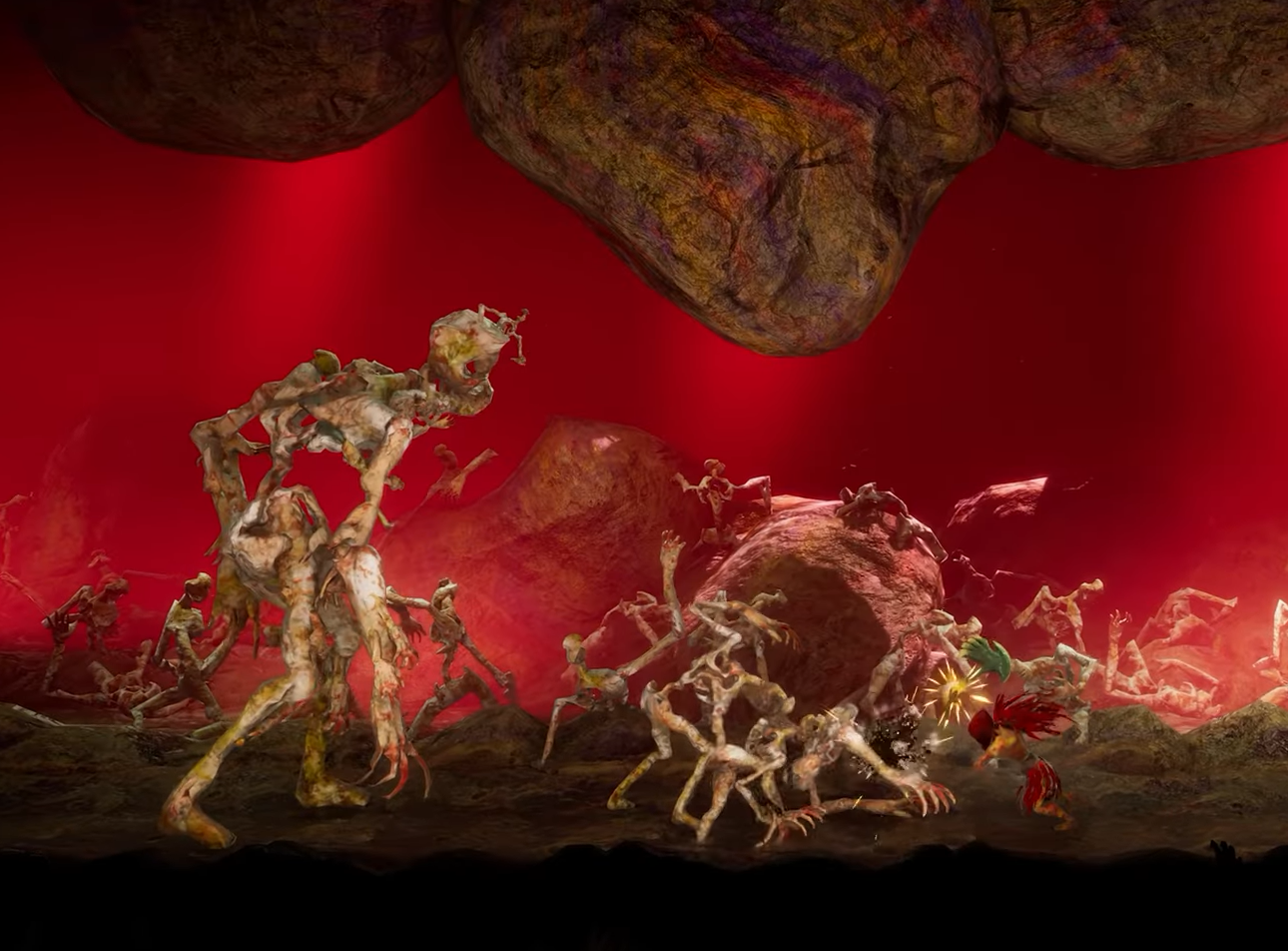
In the first game, you were a black-hole-headed titan. In GRIME II, you play as a Formless—an art mimic capable of absorbing creatures and manifesting their shapes.
The core loop has evolved:
Absorb & Summon: Instead of just gaining passive traits, you now launch tendrils made of hands to absorb foes.
Mold System: Once absorbed, you can summon “molds” of these enemies to perform special attacks, fire projectiles, or act as summons to assist you in combat.
2. Combat: More Than Just a Parry
While the first game was legendary (and sometimes notorious) for its strict parry-centric combat, GRIME II feels more fluid and experimental.
Environmental Combat: The world isn’t just a backdrop; it’s a weapon. You can use the environment to crush, impale, or stun enemies—but be careful, as the “lived-in” world is just as happy to use those hazards against you.
Wards & Stuns: A new “Ward” system has been introduced. Breaking an enemy’s Mold Ward stuns them, opening a window to grasp and absorb their form.
Customisation: The sequel places a massive emphasis on playstyle. Between weapon abilities and the variety of mould summons, you can build a character that ranges from a heavy bruiser to a master of ranged summon tactics.
3. A World Made of… Art?
The setting of GRIME II is distinct from the rocky, anatomical landscapes of the first game. This is a world obsessed with art.
Expect to explore surreal regions where civilisations are built out of painted nails, giant ceramic vases, and jars. It’s a “lived-in” world where the NPCs are often friendly (or at least talkative), offering a deeper narrative layer than the cryptic whispers of the original.
As of late 2025, a playable demo is currently available on Steam, which has received “Very Positive” reviews. While the developers initially aimed for a 2025 launch, some industry whispers suggest a Q1 2026 window for the full release to ensure the game is as polished as a porcelain vase.
Pro Tip: If you’re trying the demo, don’t ignore the Dash-Jump movement tech. The developers have given players more mobility right out of the gate this time!
Final Thoughts
GRIME II isn’t just a “more of the same” sequel. It’s a mechanical shift that favours creativity and environmental awareness over the pure “parry-or-die” rhythm of the first. If you love Hollow Knight, Blasphemous, or the original GRIME, this needs to be at the top of your wishlist.
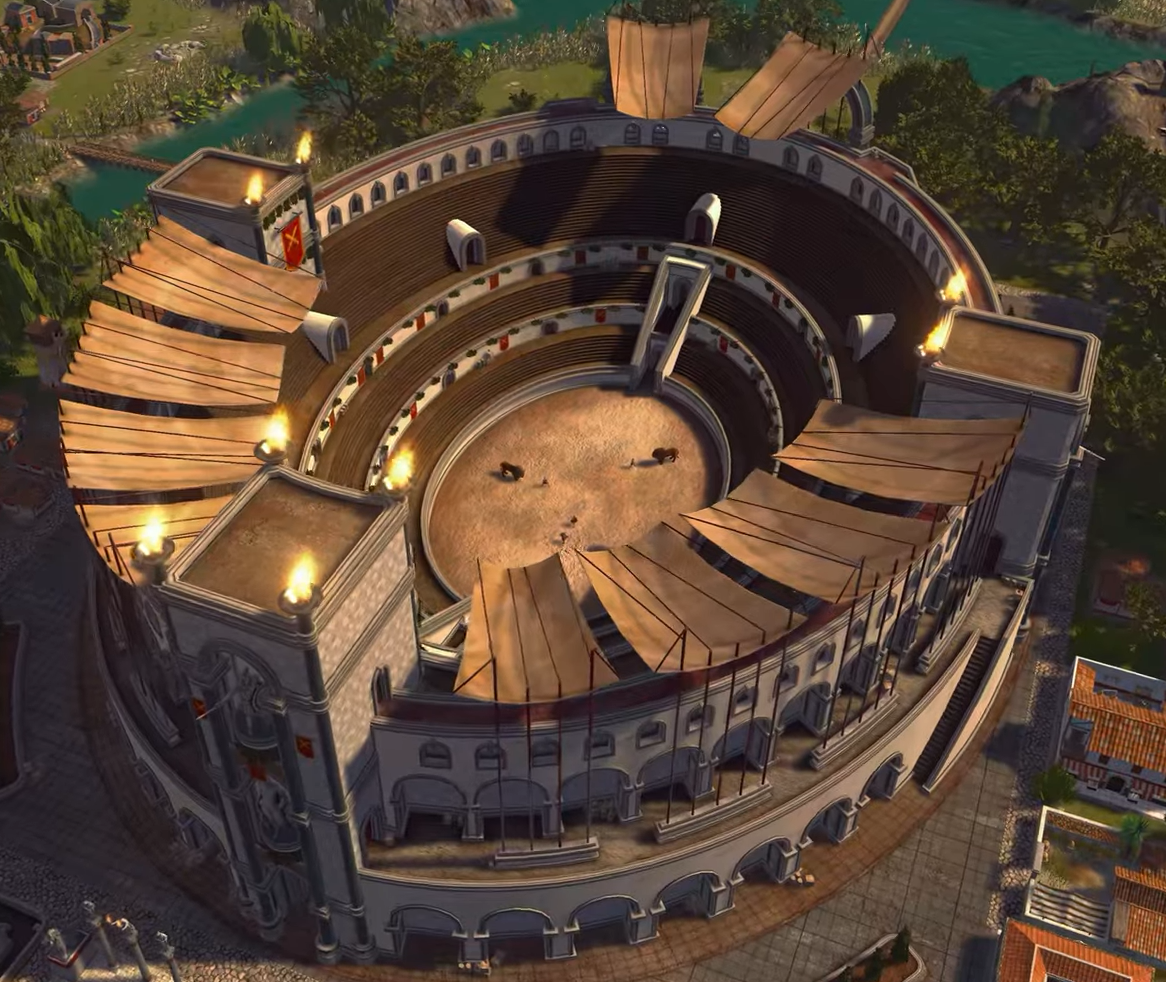
As a history buff and strategy game enthusiast, the announcement of Pompeii: The Legacy immediately caught my attention. A city-builder set in the shadow of Mount Vesuvius, allowing players to recreate and influence the fate of one of history’s most iconic cities? Sign me up! I’ve spent some quality time with the Early Access build, and I’m genuinely excited to share my initial impressions.
From the moment you load in, the game sets a captivating tone. The art style is a beautiful blend of historical accuracy and stylised charm, making the ancient Roman world feel alive and inviting. You start with a relatively small settlement, a nascent Pompeii, and the task of growing it into a thriving metropolis.
Building mechanics feel intuitive and satisfying. Placing down residences, resource gatherers, and vital infrastructure is straightforward, but the strategic depth quickly reveals itself. Resource management is key – keeping your citizens fed, watered, and happy while also producing goods for trade and expansion creates a delicate balancing act. There’s a real sense of progression as your small village slowly transforms into a bustling urban centre.
One of the most engaging aspects is the attention to historical detail. The various buildings, the layout of the city, and even the events that unfold (some, thankfully, less catastrophic than others!) are steeped in Roman lore. It’s clear the developers have done their homework, and it adds a wonderful layer of immersion to the gameplay. I found myself looking up historical facts about Pompeii as I played, which is always a good sign!
So far, Pompeii: The Legacy is shaping up to be a truly compelling experience. It’s got all the hallmarks of a great city-builder – engaging mechanics, strategic depth, and a compelling sense of progression – but with a historical setting and a looming threat that gives it a distinct flavour. I’m eager to see how the game evolves throughout its Early Access journey, especially how the developers handle the ultimate challenge of Vesuvius.
Of course, no discussion of Pompeii would be complete without acknowledging the elephant in the room – or rather, the volcano on the horizon. Vesuvius looms large, both literally and figuratively. While the Early Access build offers a glimpse into the impending doom, the developers have stated that the full cataclysmic event will be a major feature in the later stages of development. This anticipation adds a unique tension to the gameplay; every decision feels weighted, knowing the eventual fate of your carefully constructed city. It’s a fascinating twist on the traditional city-builder formula.
If you’re a fan of historical simulations, city-builders, or just looking for a game that offers a unique blend of creativity and consequence, I highly recommend checking out Pompeii: The Legacy in Early Access. You might just find yourself lost in the captivating world of ancient Rome, building a legacy one tile at a time.
Have you played Pompeii: The Legacy? What are your thoughts? Share them in the comments below!
Pompeii: The Legacy – https://www.sisciagames.com/
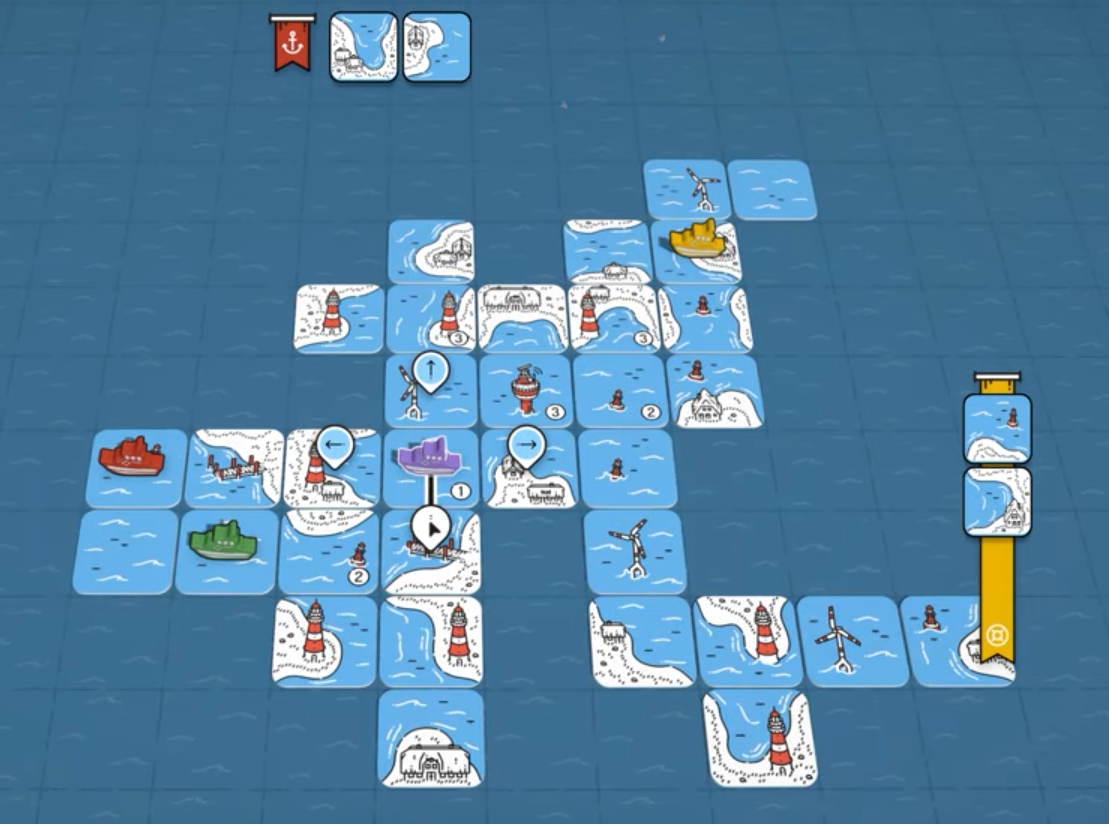
The world of cooperative board games is vast and ever-expanding, offering unique challenges and satisfying victories for groups of all sizes. Among the newer stars in this constellation is Beacon Patrol, a game that has quietly captivated players with its serene aesthetics, engaging mechanics, and surprisingly strategic depth.
At its heart, Beacon Patrol is a tile-laying game where 1 to 4 players work together to map a winding coastline, connect lighthouses, and ensure safe passage for ships. It’s a game that immediately strikes you with its calming visual appeal – soft colours, charming illustrations, and a sense of peaceful exploration permeate every aspect.
What Makes Beacon Patrol Shine?
1. Cooperative Calm, Strategic Core: Unlike many cooperative games that throw you into high-stress situations, Beacon Patrol offers a more tranquil experience. There’s no lurking monster, no ticking clock (at least, not in the traditional sense), and no direct conflict. Instead, the challenge comes from efficient planning and clever tile placement. You’re working with the board, not against it.
2. Simple Rules, Deep Decisions: The basic rules are incredibly easy to grasp. On your turn, you draw and place a tile, aiming to extend the coastline and connect lighthouses. However, beneath this simplicity lies a surprising amount of strategic thinking. Where should you place this tile to maximise future options? Which lighthouses are most crucial to connect now? How can you best utilise the patrol boat to explore new areas? These questions keep every turn engaging and meaningful.
3. The Satisfaction of Creation: There’s a genuine joy in watching your map unfold across the table. Each tile you place contributes to a beautiful, organic landscape. Successfully connecting a distant lighthouse feels like a genuine accomplishment, a small victory in the grand scheme of guiding ships safely home.
4. Low Barrier to Entry, High Replayability: Beacon Patrol is an excellent choice for both seasoned board gamers and newcomers. Its accessibility makes it a great “gateway” game to introduce friends and family to the cooperative genre. Furthermore, with various lighthouse configurations and the ever-changing draw of tiles, no two games feel exactly alike, ensuring it will stay fresh on your table.
A Game for Everyone?
While Beacon Patrol offers a delightful experience, it’s worth noting that players seeking high-octane action or direct competitive elements might find it a bit too placid. Its beauty lies in its collaborative puzzle-solving and the meditative flow of laying tiles.
However, if you’re looking for:
A relaxing yet engaging cooperative experience.
A game with beautiful artwork and a calming atmosphere.
Something that’s easy to learn but offers strategic depth.
A game that fosters teamwork and communication.
Then Beacon Patrol is definitely worth exploring.
Final Thoughts
Beacon Patrol is more than just a game; it’s an experience. It’s an invitation to slow down, collaborate, and appreciate the simple satisfaction of building something together. It reminds us that not every gaming adventure needs dragons and daring escapes; sometimes, the quiet journey of guiding ships along a carefully mapped coastline can be just as rewarding.
Have you played Beacon Patrol? What are your favourite aspects of the game? Share your thoughts in the comments below!
Ever felt like you needed a break from the everyday, a chance to explore a truly unique world? If you own a Nintendo Switch, then you might want to consider taking a whimsical dive into the quirky universe of Stars In The Trash. This charming indie title, while perhaps not the flashiest on the eShop, offers a surprisingly heartwarming and engaging experience that’s perfect for a cosy gaming session.
What exactly is Stars In The Trash?
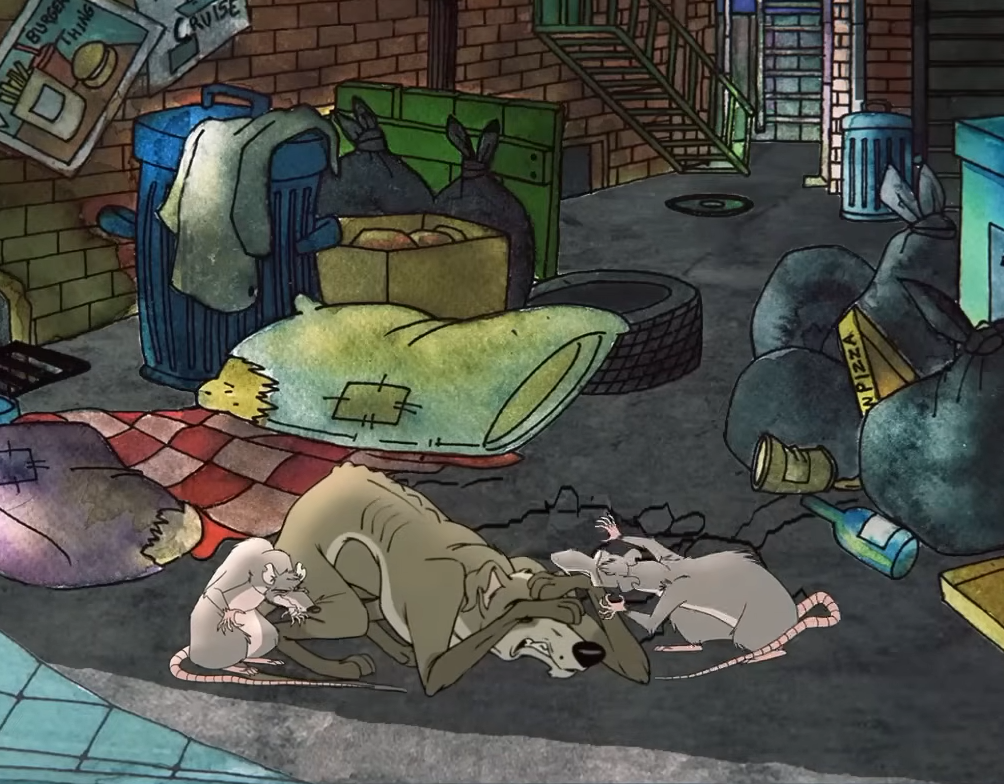
Imagine a point-and-click adventure game, but instead of dusty mansions or fantastical realms, your playground is a sprawling, interconnected junkyard. You play as a resourceful cat named Muffin, who, after being separated from her owner, must navigate this fascinating world of discarded treasures and forgotten junk to find her way home.
A Visual Feast of Found Objects
One of the first things that strikes you about “Stars In The Trash” is its distinct visual style. The game artfully renders its junk-filled environments with a hand-crafted charm that feels both nostalgic and fresh. Every screen is a detailed tapestry of discarded items, from rusty cans and broken toys to old furniture and tangled wires. It’s a testament to how beauty can be found in the most unexpected places.
Puzzles That Make You Think (and Smile)
As Muffin, you’ll encounter a variety of clever puzzles that rely on keen observation and creative thinking. You’ll need to collect items, combine them in inventive ways, and interact with the quirky inhabitants of the junkyard (who are often animals themselves!) to progress. The puzzles are challenging enough to be satisfying without ever feeling frustrating, striking that sweet spot that keeps you engaged. There’s a real joy in figuring out how a seemingly useless piece of junk can become the key to unlocking the next area.
A Purr-fectly Heartwarming Story
Beyond the puzzles and unique visuals, “Stars In The Trash” tells a surprisingly touching story about perseverance, friendship, and finding your way home. Muffin’s journey is relatable, and you can’t help but root for her as she overcomes obstacles and encounters a cast of memorable characters. It’s a tale that reminds you of the simple pleasures and the importance of connection, all wrapped up in a charming feline package.
Why it Shines on Switch
The Nintendo Switch is an ideal platform for “Stars In The Trash.” The game’s relaxed pace and focus on exploration make it perfect for handheld play, whether you’re on the couch or on the go. The touchscreen controls are intuitive for point-and-click actions, making Muffin’s adventures feel even more immersive. It’s the kind of game you can pick up for short bursts or settle into for a longer, more contemplative session.
The Verdict: Don’t Judge a Book (or a Game) by its Cover (or Title!)
“Stars In The Trash” might sound like an unconventional premise, but it delivers an incredibly rich and enjoyable experience. If you’re a fan of point-and-click adventures, unique art styles, or just looking for a game that offers a different kind of charm, then you absolutely owe it to yourself to check out this hidden gem on the Nintendo Switch. It proves that sometimes, the most beautiful stars can indeed be found right in the trash.
Have you played “Stars In The Trash“? What were your favourite moments? Let us know in the comments below!
Stars In The Trash – Nintendo Switch – https://valhallacats.com/
The Ridge is officially entering its fifth year, and Ubisoft is kicking off the celebration with a bang. Season 17 (dubbed the start of the “Ridge Full Send” era) launched on December 17, 2025, and it’s bringing a mix of high-energy music, streamlined progression, and a roadmap that has the community buzzing.
If you’ve been away from the Republic for a while, now is the perfect time to drop back in. Here is everything you need to know about Season 17.
The First-Ever In-Game Concert: Featuring Myd
For the first time in the history of the Republic, players are getting a front-row seat to a live musical experience. Ubisoft has teamed up with French electronic artist Myd to transform “The Deck” into a massive concert venue.
When: Starting December 19, every time you spawn into the game, you’ll land directly in front of the concert stage.
The Vibe: The concert features three tracks from Myd, including an exclusive remix of “Make Me Feel Alive” created specifically for the game.
Rewards: Just by showing up to the arena, you’ll unlock exclusive rewards, including a DJ-themed bike and a limited-edition T-shirt.
The “Ridge Full Send” Pack & Roadmap
Ubisoft is moving away from the traditional “Year Pass” naming. This year’s content is bundled under the Ridge Full Send Pack, which lays out a clear path for the next few seasons:
Season 17 (Current): Introduces the Whiplash, a killer new skin for the Freestyle Snowmobile.
Season 18: Prepares for the Pockett Dirt Bike.
Season 19: Adds the Pockett Stunt Car skin.
Season 20: The big one—the long-awaited Scooter finally joins the lineup!
Pro Tip: The Ridge Full Send Pack is currently available for 1,840 RC (a 20% launch discount) until the end of December.
Quality of Life: Play Smarter, Not Harder
The developers clearly listened to player feedback this time around. Season 17 introduces two major changes that make the game feel much less “grindy.”
1. Stars Requirement Slashed
The seasonal progression has been cut in half. You now only need 700 Stars to complete the entire season track. This makes the top-tier rewards—like the Goose variant of the Snowskate—actually achievable for players who don’t have 40 hours a week to spend on the slopes.
2. “My Outfits” Feature
Gone are the days of manually switching every piece of gear when you want to change your look. The new “My Outfit” category in your inventory allows you to save and equip full themed looks with a single button press across all careers.
Season 17 Event Calendar
Keep an eye on the weekly rotations to snag specific gear and experience the new Mass Race XL variations:
Dates
Featured Event/Gear
Dec 17 – Dec 24
Special Dirt Bike & Special Pockett
Dec 24 – Dec 31
Mass Race XL & Special Christmas
Dec 31 – Jan 07
Special Snowmobile Tournament
Jan 07 – Jan 14
Classic & Special Hoverboard
Final Thoughts
Season 17 feels like a “thank you” to the community. By reducing the grind and adding unique social events like the Myd concert, the Republic feels more like a living, breathing world than just a sports simulator. Whether you’re here for the motocross style with the new Fasthouse collaboration or just want to vibe at the concert, there’s plenty to keep you busy this winter.
See you at The Ridge!
Riders Republic: Season 17 – https://www.ubisoft.com/en-gb/game/riders-republic
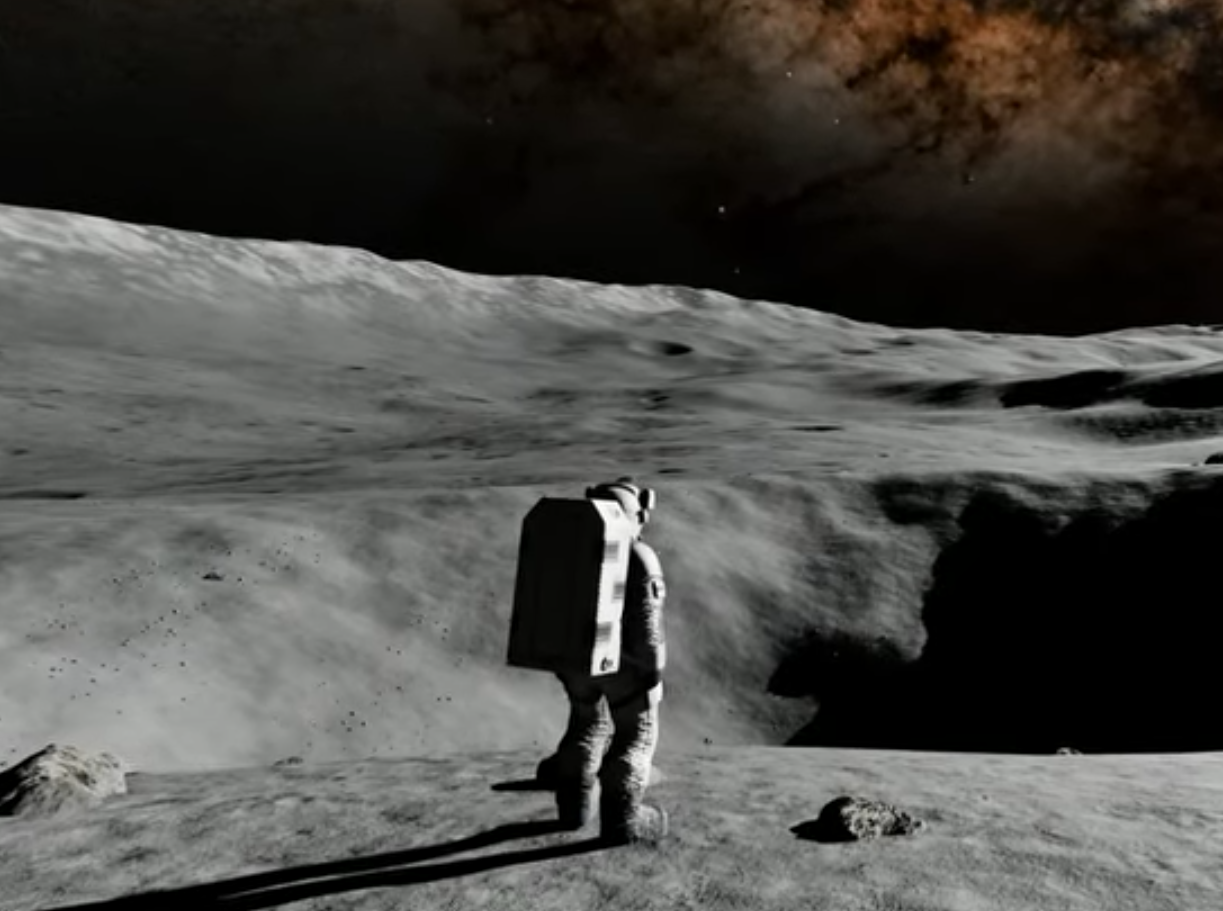
For centuries, humanity has gazed upon the moon with wonder and fascination. It’s been a muse for poets, a guide for navigators, and a canvas for countless myths and legends. But what if the moon held more than just dust and craters? What if there was a “Real Moon Game” being played out in its silent expanse, a cosmic drama unfolding just beyond our reach?
While there isn’t an actual, widely recognised “Real Moon Game” in the traditional sense of a video game or board game, the phrase itself sparks the imagination. It conjures images of ancient alien civilisations, hidden lunar bases, or even a metaphorical game of influence and discovery played out by terrestrial nations vying for lunar dominance.
The Allure of the Unknown: What Could the “Real Moon Game” Be?
Let’s explore some possibilities that the idea of a “Real Moon Game” might encompass, drawing from both scientific speculation and popular culture:
The Ancient Alien Hypothesis: Imagine if the moon were not a natural satellite, but an artificial construct, a colossal spaceship or observation post left by an advanced civilisation. The “game” could be a long-forgotten mission or an ongoing maintenance routine.
Hidden Bases and Secret Agendas: For decades, conspiracy theories have circulated about secret military bases or even alien outposts on the far side of the moon. The “Real Moon Game” in this scenario would be a clandestine struggle for resources, technology, or strategic advantage between various factions, human or otherwise.
The Resource Rush: With renewed interest in lunar exploration, the moon’s potential for valuable resources like Helium-3 (a potential clean energy source) is becoming a hot topic. The “game” here is a very real one: a geopolitical race to claim and exploit these resources, leading to international treaties, scientific breakthroughs, and perhaps even new forms of conflict.
A Metaphor for Exploration and Discovery: Perhaps the “Real Moon Game” is a more profound, philosophical one. It’s the ongoing quest for knowledge, the challenge of pushing the boundaries of human endurance and ingenuity to reach for the stars. Every mission, every new discovery, every footprint left on the lunar surface is a move in this grand game of exploration.
The “Dark Side” Unveiled: The far side of the moon, always hidden from Earth, has long been a source of mystery. What if the “game” is about what lies beyond our perpetual view? Imagine discovering ancient ruins or active phenomena that challenge our understanding of the universe.
From Fiction to Future Reality
The concept of a “Real Moon Game” has been explored in countless science fiction novels, films, and video games. From the mysterious monolith in “2001: A Space Odyssey” to the intricate political landscapes of lunar colonies in various sci-fi epics, the moon often serves as a backdrop for grand narratives.
As we look to the future, with ambitious missions like Artemis aiming to return humans to the moon and establish a sustainable lunar presence, the “Real Moon Game” might transition from pure speculation to a tangible reality. The challenges of living and working on the moon, the scientific discoveries waiting to be made, and the international cooperation (or competition) that will undoubtedly arise, will all be part of this unfolding lunar drama.
So, while there may not be a downloadable “Real Moon Game” on your favourite gaming platform, the idea itself is a powerful reminder of the enduring mystery and allure of our celestial neighbour. What do you imagine the “Real Moon Game” to be? Share your thoughts in the comments below!
REAL MOON – https://historia.co.jp/archives/54469/
In a world where most survival games force you to hide in a wooden shack, EverRail dares to ask: what if your base were a high-speed, battery-powered locomotive?
Announced just yesterday (December 16, 2025) by Icebird Studios and publisher Aesir Interactive, EverRail is a striking new entry into the open-world survival craft genre. It’s set in a frozen, procedurally generated wasteland where staying still is a death sentence.
Here is why this upcoming title is already creating a buzz in the survival community.
The Core Loop: Move or Freeze
The premise of EverRail is simple but high-stakes: the world has frozen over, and your only lifeline is a train. Unlike traditional survival games, where you build a static base, your home in EverRail is a massive, customizable train. This isn’t just a vehicle; it’s your workshop, your fortress, and your battery. The engine’s battery recharges as you move, meaning if you stop for too long to scavenge, you risk losing power—and in this wasteland, if the battery dies, everyone dies.
The “Tricore” Gameplay
The developers have built the game around three distinct modes of movement:
On Rails: Steer and upgrade a train that can grow to include hundreds of wagons. Managing your speed and power is the heart of the strategy.
In the Air: Use a Glider to scout the terrain ahead. This is essential for locating rare resources and uncovering secrets hidden by the frost without risking the whole train.
On Foot: Embark on “roguelike expeditions.” When you spot ruins or abandoned settlements, you must leave the safety of the tracks to scavenge, fight enemies, and uncover the mysteries of the ice.
Survival Together (or Not)
EverRail supports single-player and online co-op for up to 4 players.
The stakes in multiplayer are uniquely brutal. The game features a “passenger” system: if you fall during an expedition, another passenger from the train takes your place. However, if the last soul on board perishes, the journey ends for everyone. This adds a layer of tension to every foot expedition—you aren’t just surviving for yourself; you’re protecting the last of humanity.
When Can You Play?
The game was officially revealed with an announcement trailer this week and is currently available to Wishlist on Steam and the Epic Games Store.
Early Access Launch: Planned for 2026.
Platform: PC (Windows), with high-end specs recommended (RTX 3060 Ti / 32GB RAM).
The Roadmap: The developers intend to stay in Early Access for 12 months or longer, using player feedback to expand the world, refine combat, and add full voice acting.
Why You Should Watch This One
EverRail feels like a spiritual successor to the “train-survival” niche (think Voidtrain or Volcanoids) but with a much larger, procedural scale. The “Move or Freeze” mechanic creates a natural sense of urgency that many survival games lack after the first few hours.
If you’re a fan of Frostpunk’satmosphere mixed with Subnautica’s sense of exploration, EverRail is definitely one to keep on your radar for 2026.
For fans of monster-catching RPGs, the name “EvoCreo” has been around for a while, delighting players on mobile platforms. But now, this fantastic adventure has made its way to Steam, and I’m here to tell you why you absolutely need to check it out!
If you’ve ever yearned for a game that captures the spirit of classic monster-catching titles while offering its own unique charm, EvoCreo is it. From the moment you step into the vibrant world of Zenith, you’re greeted with a sense of nostalgia mixed with fresh excitement.
What Makes EvoCreo Special?
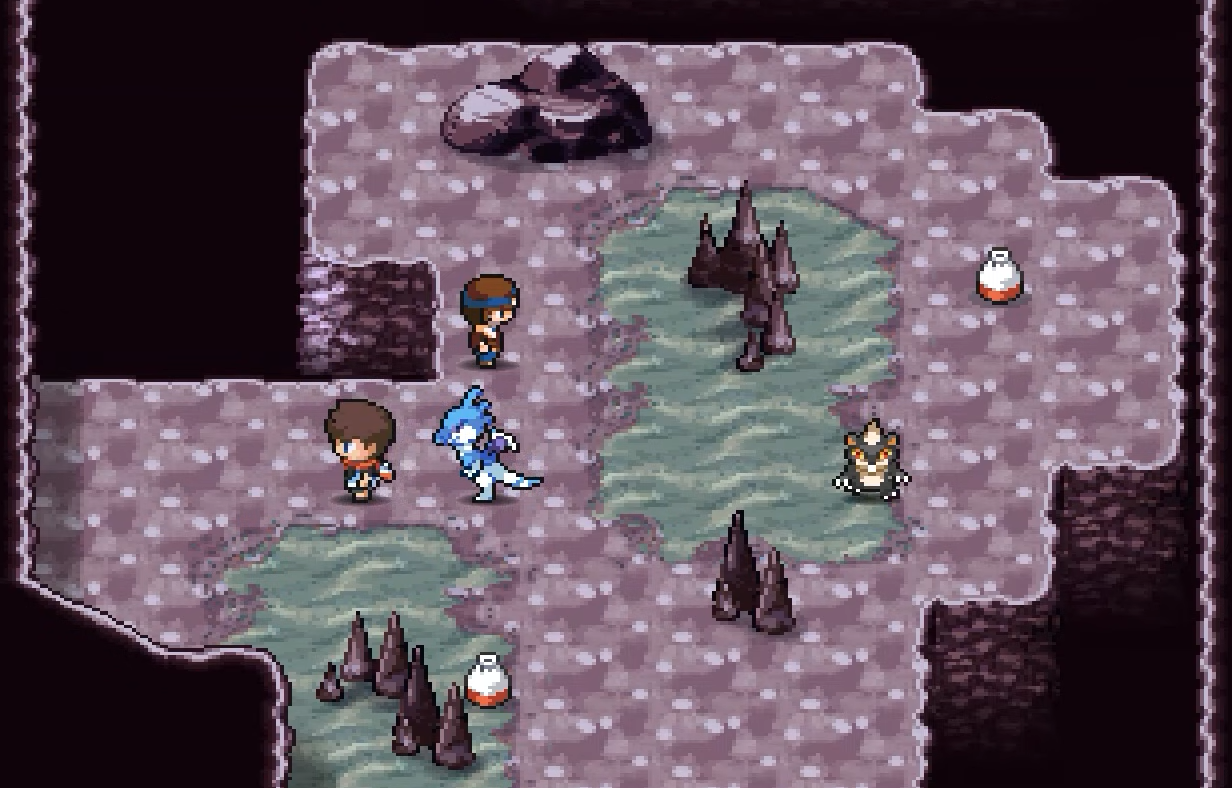
1. A Rich World to Explore: Zenith is a sprawling land teeming with diverse environments, from lush forests to scorching deserts and mysterious caves. Each area feels distinct and offers a variety of Creo (the game’s monsters) to discover and capture. The pixel art style is beautifully rendered, making every new location a joy to behold.
2. Hundreds of Unique Creo to Catch: This is where EvoCreo truly shines! There are over 170 Creo to encounter, each with its own unique design, elemental type, and abilities. Catching them all is a thrilling endeavour, and the diversity ensures that every team you build will feel distinct. The designs are imaginative, ranging from adorable critters to powerful beasts.
3. Deep and Engaging Combat: EvoCreo features a turn-based combat system that is easy to learn but offers surprising depth. Strategic planning is key as you utilise your Creo’s elemental strengths and weaknesses, as well as their diverse skill sets. Status effects, synergy between Creo, and smart switching can turn the tide of any battle. You’ll find yourself constantly tweaking your team and experimenting with different moves to create the ultimate combination.