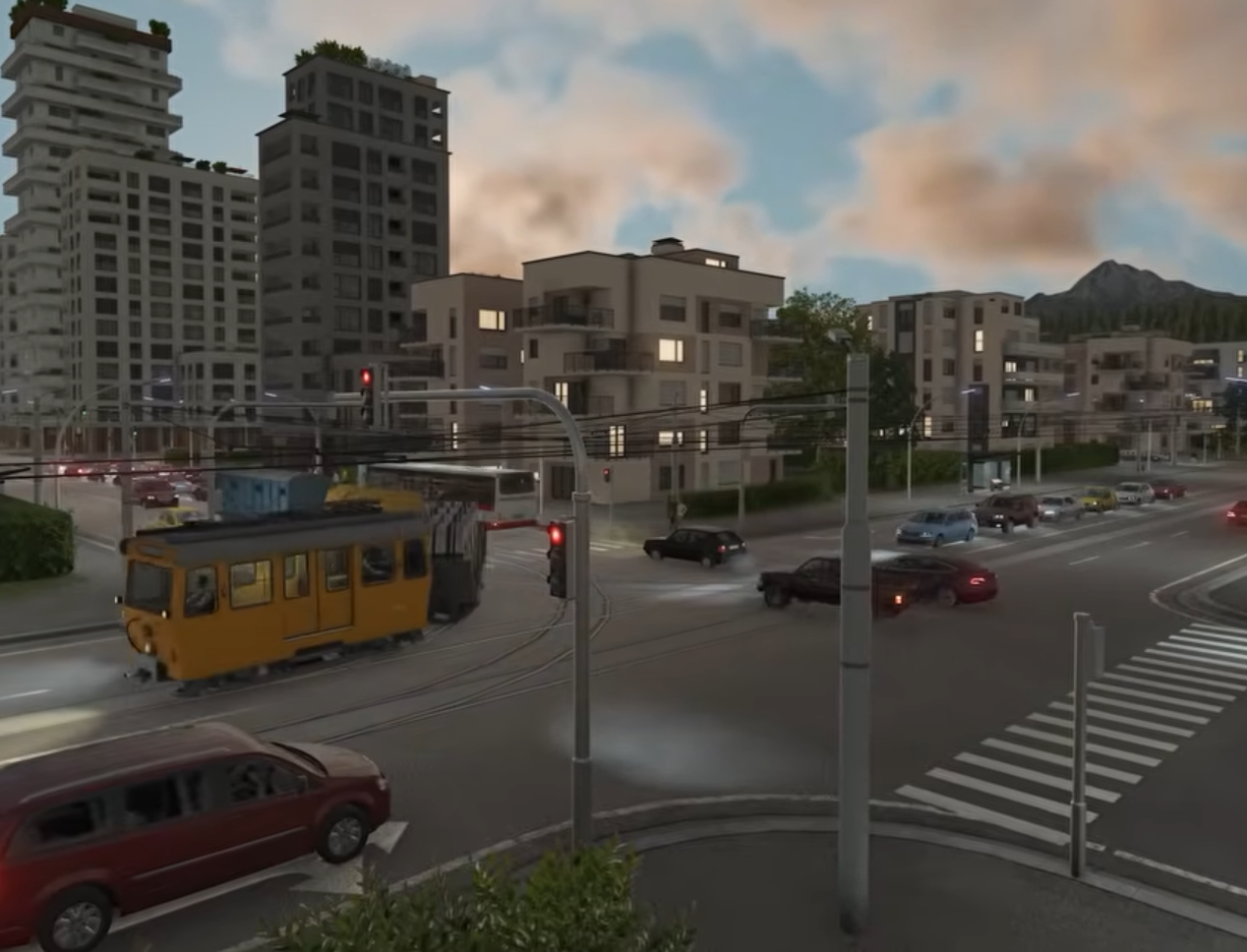
From the era of steam whistles to the high-speed corridors of the future, there’s nothing quite like building a logistics empire from the ground up. If the next instalment is on the horizon, I’ve got my wishlist ready:
We are proud to support the British Esports Federation’s ‘Safe to Play’ campaign. In partnership with the English Football League (EFL) and backed by the Department for Science, Innovation and Technology (DSIT), this initiative is transforming how we approach digital inclusion and safeguarding.
The campaign focuses on:
Empowering Youth:Helping young people build digital skills and confidence in a secure environment.
Duty of Care: Implementing frameworks developed with experts like the NSPCC and UNICEF UK.
Community Impact: Delivering workshops across 10 Football Club communities to reach disadvantaged youth.
Esports is a powerful tool for growth, but safety must come first. Let’s ensure the next generation of gamers can compete, learn, and socialise without risk.
Learn more about the initiative here:
Find out more here; https://britishesports.org/the-hub/press-releases/government-english-football-league-esports-workshops/
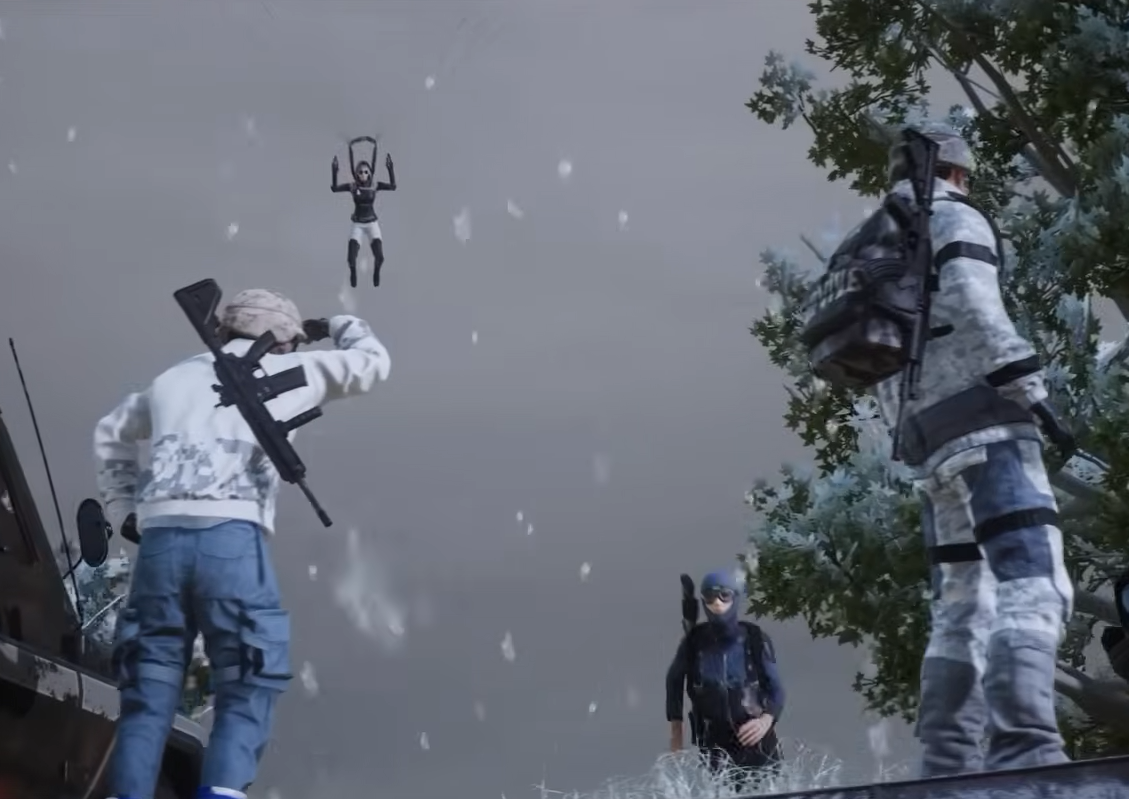
Erangel: Subzero has officially transformed the battlegrounds into a frozen wasteland, and it’s not just a coat of white paint—it’s a whole new survival game.
Whether you’re sliding into a hot drop at School or tracking footprints in the snow, here is what you need to know to secure that frozen Chicken Dinner.
The wait is finally over! SpongeBob and the gang have officially landed in Fortnite. It’s time to trade your pickaxe for a Golden Spatula and bring some Bikini Bottom energy to the Island.
What’s in the shop:
SpongeBob Sidekick: He doesn’t just sit there—he follows you around with custom animations and voice lines!
The Patty Wagon: Yes, you can actually drive the iconic burger car from the movie.
“Sweet Victory” Jam Track: The ultimate victory royale anthem.
SpongeBob & Gary “Slippies”: Keep the drip nautical with new footwear.
Are you grabbing the bundle or just the Patty Wagon? Let us know in the comments!
If your idea of a perfect evening involves a warm drink, a soft blanket, and zero stress, you need to check out Cast n Chill on the Nintendo Switch.
Forget the high-stakes boss battles for a moment. This game is all about the simple joy of the catch. Whether you’re on your lunch break or curled up in bed, it’s the ultimate “low-stakes, high-vibes” experience.
Why we’re hooked:
Pure Relaxation: No timers, no pressure—just you and the water.
Perfect for Handheld: The Switch’s portable mode makes it feel like you’re carrying a tiny, peaceful pond in your pocket.
Collect & Upgrade: Satisfying progression that doesn’t feel like a chore.
Forget waiting a week for your numbers to go up. This game is incremental madness on fast-forward.
Let’s be honest about the idle game genre. We love them. There is something primally satisfying about watching a number grow from “1” to “1.5 quindecillion.”
But we also hate them. We hate that point—usually about three days in—where progress grinds to a halt. You’ve bought all the reasonable upgrades, and now you’re just waiting. You close the tab, check back in eight hours, buy one thing, and close it again. The “game” part has stopped, and it’s just a glorified screensaver.
If that mid-game slump drives you crazy, I have a solution. It’s called Rushcremental, and it is the incremental game for people with zero patience.
The Oxymoron of “Active Idle”
Rushcremental (often found on itch.io or various web game portals) lives up to its portmanteau name. It takes the core concept of incremental progression—click thing, get currency, buy upgrade, get currency faster—and injects it with a massive dose of adrenaline.
The premise of most idle games is “set it and forget it.” The premise of Rushcremental is “click it, upgrade it, reset it, and do it again—FAST.”
It is an idle game that demands your full attention. If you look away for five minutes to make a sandwich, you have genuinely missed optimal strategic windows.
The Dopamine Loop on Fast-Forward
What makes Rushcremental stand out in a crowded market? It’s the pacing of the rewards.
In a standard clicker game, the dopamine hits start fast and then space out further and further apart. In Rushcremental, the game is designed to keep those hits coming at a breakneck pace.
The early game flies by in seconds. Suddenly, you hit a wall. But unlike other games where the wall means waiting two days, in Rushcremental, the wall means it’s time to Prestige (reset).
The Art of the Quick Prestige
The “Prestige” mechanic—resetting all your progress in exchange for a permanent multiplier—is standard fare for the genre.
Rushcremental twists this by making prestiging a minute-by-minute activity rather than a weekly event. The game is designed so that your progress slows down drastically very quickly. Your goal isn’t to build the biggest empire possible in one run; your goal is to reach the most efficient reset point as fast as possible.
Repeat the whole process, but now everything is five times faster.
It turns the passive waiting game into an active optimisation puzzle. Do I push for ten more seconds to get that next tier upgrade, or do I reset now because my current multiplier is stale?
Who Is This Game For?
Rushcremental isn’t for everyone. If you like the slow-burn satisfaction of checking in on a digital farm once a day, this will stress you out.
But, this game is for you if:
You love the start of idle games but hate the middle.
You enjoy min-maxing and figuring out the most efficient path through a system.
You want a game you can actively play for 20 minutes during a coffee break and feel like you accomplished a huge amount of progression.
The Final Verdict
Rushcremental proves that the idle genre doesn’t have to be boring. By compressing the weeks-long grind of traditional clickers into bite-sized, frantic sessions, it creates a uniquely engaging experience. It’s the perfect game for the modern attention span: high numbers, fast rewards, and zero waiting required.
Just be warned: your mouse finger will get tired.
Rushcremental on Steam – https://shorturl.at/7FQ3u
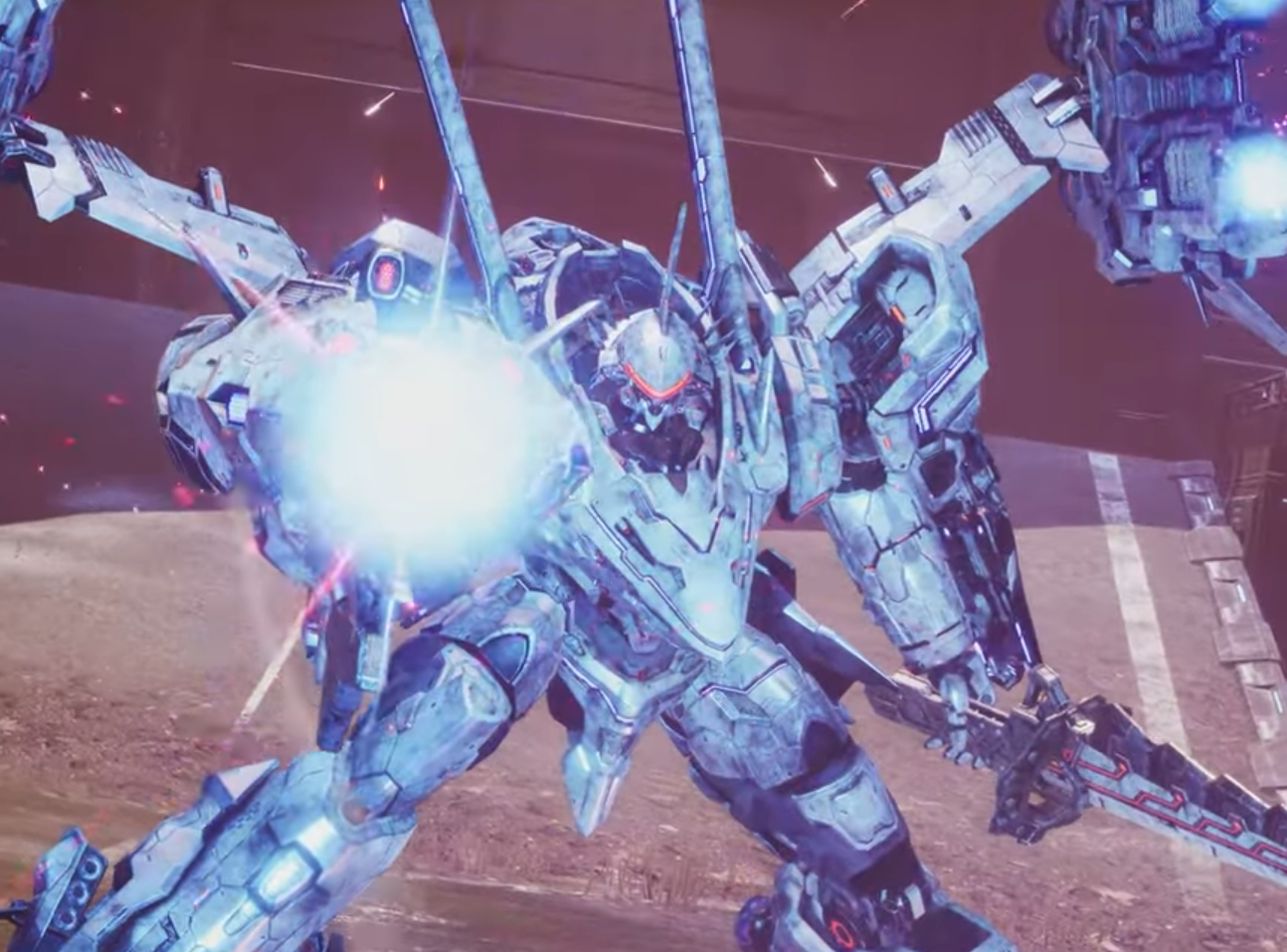
Before Armoured Core VI returned to the throne, this vibrant, fast-paced spiritual successor was keeping the giant robot dream alive. Here’s why it’s still worth strapping into your Arsenal today.
For a long time, the mech genre felt like it was in cryosleep. Fans of customised robotic warfare were left waiting, replaying old titles and hoping for a revival. Then, in 2019, a streak of neon-colored lightning hit the Nintendo Switch (and later PC). It was called Daemon X Machina.
Helmed by Kenichiro Tsukuda—a veteran producer of the legendary Armoured Core series—and featuring mechanical designs by the visionary Shoji Kawamori (of Macross fame), Daemon X Machina arrived with a serious pedigree. It promised deep customisation, breakneck speed, and an aesthetic unlike anything else on the market.
While it may have flown under the radar for some, this game is a chaotic, flawed, and absolutely addictive gem that deserves a second look. If you love building giant robots and then using them to blow up other giant robots, here is why you need to reclaim your destiny.
The Loop: Loot, Build, Destroy
At its heart, Daemon X Machina is a third-person action shooter with a heavy emphasis on “looting.” You play as a “Reclaimer”—a mercenary pilot in a post-apocalyptic world where the moon has shattered, raining strange energy onto the Earth and turning AIs against humanity.
Your tool of the trade is the Arsenal, a highly customizable mech. The core gameplay loop is intoxicatingly simple:
Accept a mercenary contract (mission).
Drop into a battlefield and obliterate corrupted machines and rival mercenaries in fast-paced aerial combat.
This is key: When you down an enemy Arsenal, you can fly over to their wreckage in real-time and rip weapons or armour parts right off their chassis to add to your inventory.
Return to base, take your new loot into the hangar, and spend hours obsessing over your build.
The immediacy of looting on the battlefield is fantastic. See an enemy with a cool laser sword? Shoot them down and take it. It turns every encounter into a potential shopping spree.
The Hangar: Where Hours Disappear
If you are the type of gamer who spends more time in menus tweaking stats than actually playing the game, welcome home.
The customisation in Daemon X Machina is deep and satisfying. You aren’t just slapping on a new gun; you are balancing weight, energy consumption, memory usage, boost speed, and lock-on ranges. Do you want a hulking tank that dual-wields bazookas? Do you want a lightning-fast ninja mech with a katana and an SMG? Do you want to specialise in long-range sniping or area-of-effect missile swarms?
The game encourages you to build multiple Arsenals for different mission types. And crucially, it lets you make them look incredible. The paint and decal options allow for some serious “Fashion Mech,” ensuring your machine looks as deadly as it performs.
The Vibe: Neon Apocalypse and Heavy Metal
Where many mech games lean into gritty, grey military realism, Daemon X Machina kicks down the door wearing neon sunglasses.
The art style is a striking, cel-shaded comic book brought to life. The world is bathed in vibrant reds, electric blues, and radioactive greens. It’s a stylistic choice that ensures the action remains readable even when dozens of missiles and lasers fill the screen.
Matching this high-energy visual style is an absolutely shredding soundtrack. The music is a driving mix of heavy metal and industrial rock that fits the mechanical carnage perfectly. When the guitar riffs kick in during a boss battle against a colossal “Immortal,” your adrenaline will spike.
The Honest Truth: It’s Not Perfect
It would be disingenuous to recommend Daemon X Machina without acknowledging its rough edges.
The story is, to put it mildly, a convoluted mess of anime tropes. There is a massive cast of mercenary characters, rival factions, and shadowy organisations, and it can be very hard to care about who is betraying whom and why. Most players eventually tune out the dialogue and just focus on the mission objectives.
Furthermore, the mission variety can wear thin in the late game. You will find yourself doing a lot of “destroy all enemies” or “defend this target” objectives repeatedly. While the combat remains fun, the context for it gets repetitive.
The Verdict: Strap In
Despite its narrative flaws and repetitive mission structures, Daemon X Machina succeeds where it counts: the moment-to-moment gameplay.
The sheer joy of piloting a fully customised Arsenal, boosting through the air at breakneck speeds while dodging a barrage of lasers, feels incredible. It fills a niche between the slower, methodical pacing of older mech sims and high-speed character action games.
If you are looking for a game where you can turn your brain off, crank up the metal soundtrack, and spend dozens of hours building the ultimate war machine, Daemon X Machina is waiting for you in the hangar.
Daemon X Machina: Titanic Scion – https://na.daemonxmachina.com/titanicscion/
Proxies, synchronise your watches and check your Bangboo battery levels. The wait is finally over.
After the massive narrative upheavals in Version 2.0 and the chilling detour into the northern ruins in 2.4, HoYoverse is bringing us back to the heart of New Eridu—but a part of it we’ve never seen before.
Zenless Zone Zero Version 2.5, titled “Neon Echoes & The Void Walker,” has just been officially teased, and it looks absolutely stacked. This isn’t just a filler patch; it’s a significant expansion of the lore and a massive shake-up to the current meta.
Based on the Special Program and developer notes, here is the complete breakdown of everything coming in ZZZ v2.5.
The New Arrivals: Agents of the Outer Ring
The biggest hype always surrounds the banners, and v2.5 is introducing two characters that players have been theorising about for months. We are finally getting a deeper look into the mysterious “Section 6” and a surprising addition to an existing faction.
The S-Rank Feature: Kael (Section 6)
Attribute: Void | Speciality: Anomaly
Kael is the star of the show. First hinted at during the Version 1.3 storyline as a shadow observing Phaethon, Kael is finally playable. He is a high-speed, Anomaly-focused Agent who introduces the new “Void” attribute mechanic.
Unlike Ether, which corrupts, Void just… erases. Kael uses twin data-daggers that build up “Deconstruction” on enemies. When triggered, the enemy takes massive DoT damage, and their DEF is shredded by 30% for 10 seconds. His ultimate transforms him into pure digital smoke, making him untargetable while he delivers a screen-clearing slash. He is designed to decimate high-HP bosses in the new Hollow zones.
The A-Rank Support: Trixie (Cunning Hares?!)
Attribute: Electric | Speciality: Support
Wait, another Cunning Hare? Yes! Trixie is apparently an old debt-collector rival of Nicole’s who decided it was more profitable to join her than fight her. Trixie is an Electric Support character who uses a modified speaker-drone to buff allies.
Her kit revolves around “Hype.” Her EX Special builds Hype stacks; when maxed, she drops a beat that restores Energy for the on-field character and provides a shield based on her own HP. She seems like the perfect battery for energy-hungry DPS characters like Anton or Grace.
New Area & Story: The “Circuit Graveyard”
Forget the gleaming towers of the inner city. Version 2.5 takes us to the Circuit Graveyard, located in New Eridu’s neglected Outer Ring.
This area is gorgeous in a gritty, cyberpunk way. It’s a sprawling junkyard of decommissioned tech, neon signs struggling to stay lit, and makeshift settlements. The Hollows here are unstable and glitchy, filled with discarded machinery that has gained a twisted sentience.
The Interlude Chapter: “Ghosts in the Machine” The story focuses on strange signals emanating from the Graveyard that are causing Bangboos across the city to go berserk. The Proxy is hired by Section 6 (hence Kael’s involvement) to investigate secretly. We’ll be dealing with data smugglers, rogue AI collectives, and uncovering the truth about what New Eridu does with its “obsolete” technology.
The Main Event: The Synapse Festival
To contrast the gloom of the Graveyard, the main event of v2.5 is a vibrant celebration.
“The Synapse Festival” is a multi-stage event split into two distinct gameplay loops:
Neon Rhythm (Rhythm Game Mode): Yes, HoYoverse is adding a rhythm mini-game. Players will control their Bangboo on a digital stage, hitting notes in time with remixes of ZZZ’s incredible soundtrack. High scores yield Polychromes and festival currency.
Hollow Blitz Arena: A combat-focused mode where you face waves of enemies in a highly digitalised arena. The twist? Every 30 seconds, the arena “glitches,” randomly changing the environmental buffs and debuffs (e.g., “Low Gravity,” “Infinite Energy but 50% HP,” or “All enemies deal Fire damage”). It emphasises quick team-switching and adaptability.
The New Boss: The Gestalt Core
The climax of the new zone is the Gestalt Core. It’s a massive, amorphous blob of tangled wires and broken screens that takes the shape of different enemy types mid-fight. It has high resistance to Physical damage, encouraging players to bring elemental teams to burn through its shifting phases.
Major Quality of Life (QoL) Changes
It wouldn’t be a major patch without addressing player feedback. Version 2.5 brings some highly requested features:
Drive Disc Loadouts: Finally! You can now save up to five preset Drive Disc loadouts per character. Switching between a Crit-build Ellen and an Anomaly-build Ellen now takes two clicks.
Daily Routine Streamlining: You can now dispatch expeditions directly from the main menu without talking to the NPC. Furthermore, “Coffee” buffs now last for 5 consecutive battles instead of just 3.
Proxy Room Customisation Mk. II: A whole new set of furniture themed around the “Circuit Graveyard” (think neon signs and exposed wiring chic) has been added to the shop.
Conclusion: Prepare Your Polychromes
Version 2.5 seems to be striking a perfect balance between adding edgy, cool new lore and providing lighthearted, fun event gameplay. The introduction of the Void attribute with Kael is sure to shake up the tier lists, and the Circuit Graveyard offers a refreshing aesthetic change from the usual urban environments.
The update drops next week. Proxies, it’s time to start farming those upgrade materials. The Outer Ring is calling.
Zenless Zone Zero Version 2.5 – https://hoyo.link/6SOkFDAL
The infamous research facility is betting its future—and perhaps ours—on an algorithmic system designed to chart the course of destiny. Is this redemption, or hubris redux?
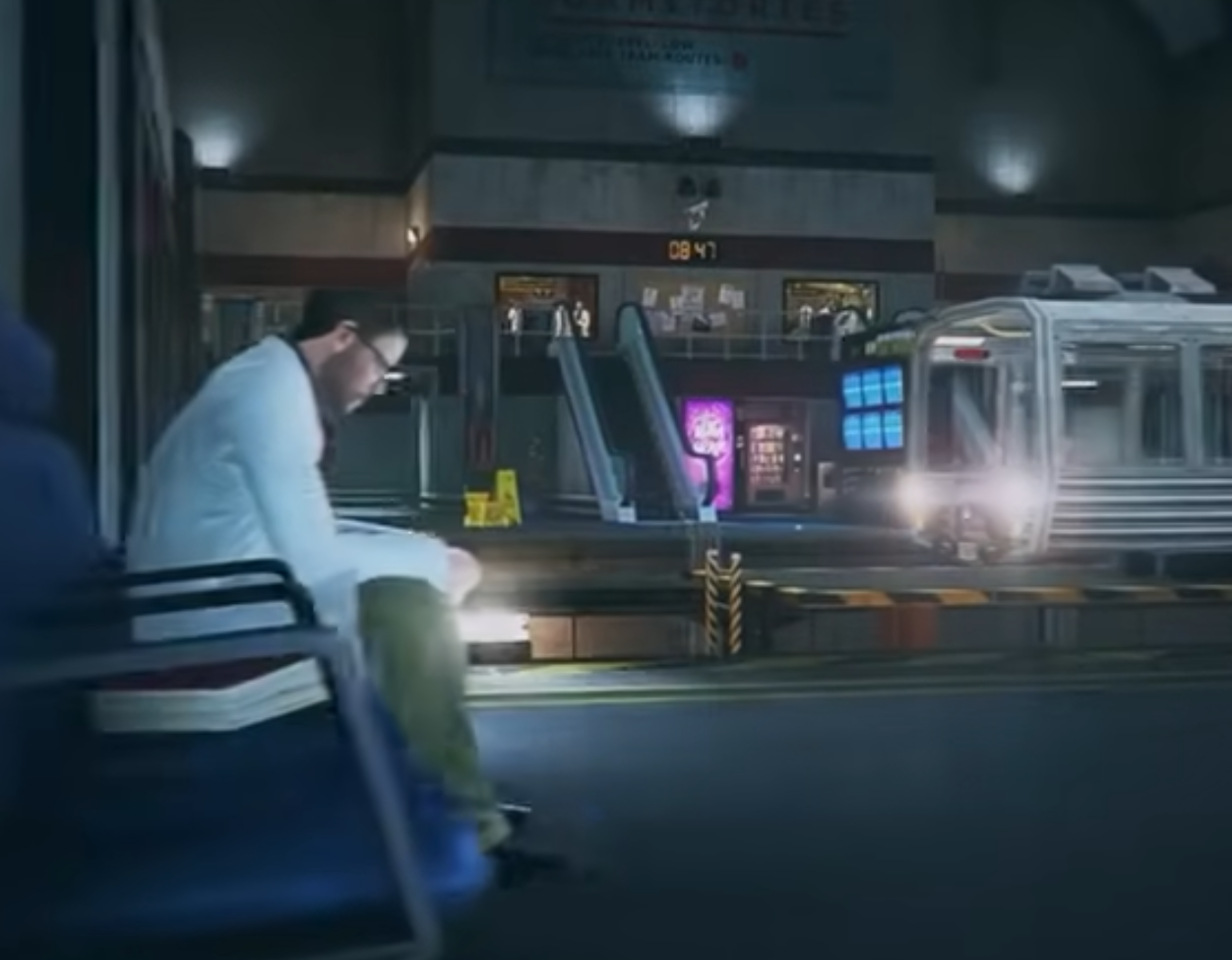
Let’s be honest. When you hear the words “Black Mesa Research Facility,” comfort isn’t the first emotion that springs to mind.
For decades, the name has been synonymous with cutting-edge brilliance overshadowed by catastrophic failure. It represents the absolute apex of human scientific ambition, forever tainted by the “Resonance Cascade” event that changed… well, everything. Since then, Black Mesa has operated in the shadows, a titan attempting to rebuild its reputation while continuing to poke at the fabric of reality with very sharp sticks.
But today’s announcement changes the game entirely. Black Mesa is stepping out of the shadows, and they aren’t alone.
In a press release that has sent shockwaves through both the theoretical physics community and algorithmic think-tanks, Black Mesa has officially announced a deep-integration partnership with the enigmatic Moros Protocol.
The Players
If you follow fringe computing developments, you’ve heard about the Moros Protocol. Named after the Greek personification of impending doom and inevitable fate, Moros isn’t your standard predictive AI. It doesn’t analyse consumer habits or stock trends.
The Moros Protocol is designed for “Macro-Causal Certainty.” It consumes vast amounts of chaotic data to model unavoidable outcomes. In layman’s terms: it doesn’t just guess what might happen; it calculates what must happen once certain thresholds are crossed. It is the digital architecture of destiny.
Then, we have Black Mesa. They have the hardware. They have access to anomalous materials that defy standard physics. They have the Lambda Complex. They have the raw power to punch holes in the universe.
What they have always lacked is foresight.
Why This Collaboration Scares People (And Why It’s Brilliant)
The stated goal of the collaboration is “Stabilised Anomalous Interfacing.”
Black Mesa claims that by feeding their real-time experimental data regarding quantum tunnelling and dimensional manipulation into the Moros Protocol, they can achieve something previously thought impossible: a safety net for reality-bending science.
The theory is that Moros can see the “inevitable outcome” of an experiment before Black Mesa technicians even throw the switch. If Moros detects a causality chain leading to another Resonance Cascade, it can terminate the procedure pre-emptively.
Dr Isaac Kleiner, speaking for Black Mesa’s Theoretical Physics Division, offered this statement:
“We have spent years reacting to the volatile nature of our research materials. We were explorers without a map in a terrain that actively resists being charted. The Moros Protocol gives us that map. It doesn’t just predict the future; it outlines the rigid boundaries of fate, allowing us to work right up against the edge without falling over.”
The Underlying Dread
While the press release is couched in terms of safety and stabilisation, the subtext is what has industry observers sleeping with the lights on.
You are taking the people who accidentally opened a portal to a hostile alien borderworld and handing them a tool that dictates fate.
There is a philosophical terror at play here. If the Moros Protocol is truly accurate at predicting “inevitable fate,” what happens when Black Mesa uses its immense technological capability to try to break that prediction?
Are they using Moros to avoid disaster? Or are they using Moros to find the precise weak points in causality where they can force a desired outcome—essentially trying to scientifically engineer destiny?
If Black Mesa broke physics the first time around, there is a very real fear that this collaboration could break causality itself.
The Future is Calculated
We are entering a new era of super-science. The cowboy days of flipping switches in the Anomalous Materials Lab and hoping for the best are over.
The partnership between Black Mesa’s raw, universe-altering power and the cold, deterministic calculations of the Moros Protocol means that whatever happens next won’t be an accident. It will be an inevitability.
We just have to hope that the destiny they are calculating is one we can survive. Keep your eyes on New Mexico, folks. Things are about to get very interesting again.
Moros Protocol and Black Mesa Collaboration on Steam – https://shorturl.at/Rl18p
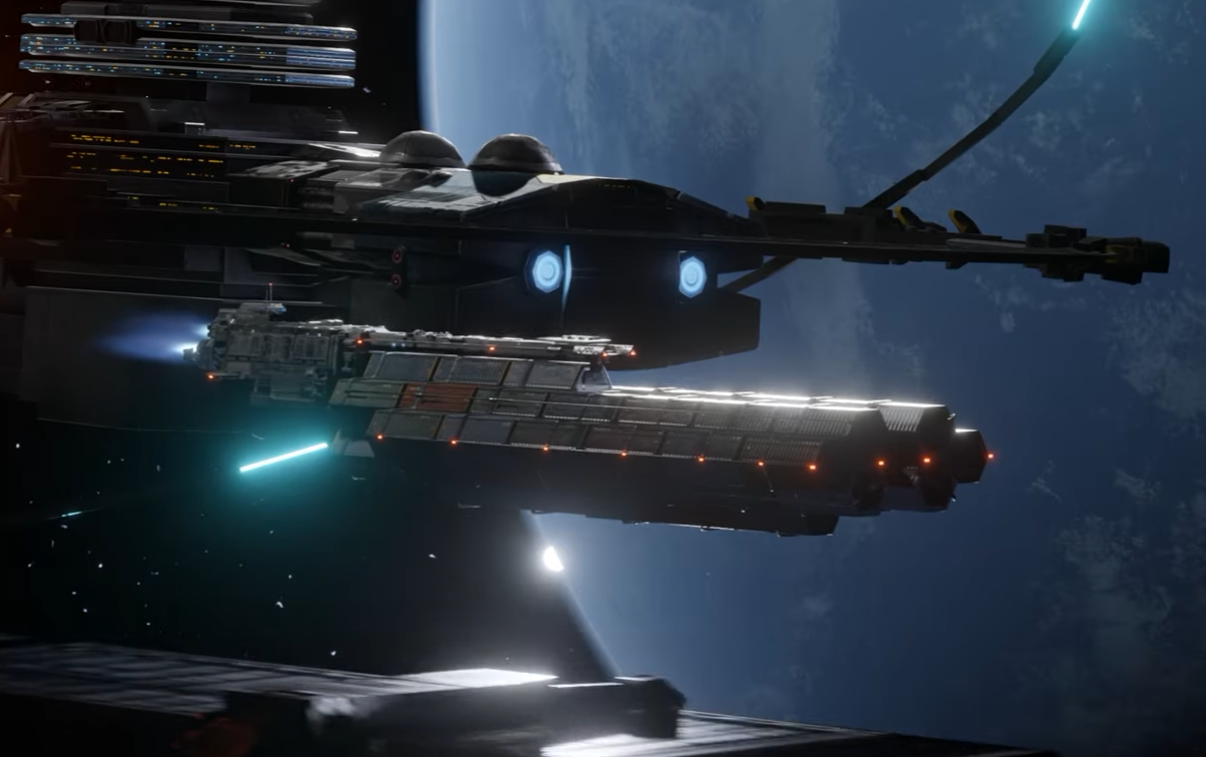
Space is cold, but the action is heating up. Dive into the festive “Battleshooter” event, earn exclusive rewards, and bring some Yuletide cheer to the crushing vacuum of the frontier.
Commanders, attention on deck!
The sensors are picking up something unusual in the neutral zone. It’s not another pirate fleet, and it’s not a Void anomaly. It appears to be… tinsel?
That’s right. The holiday season has officially arrived in Starborne: Frontiers, and it’s bringing a cargo hold full of festive chaos. The community has affectionately dubbed this year’s festivities the “Battleshooter” event, and if you’ve logged in the past 24 hours, you know exactly why: the only way to spread cheer out here is with overwhelming firepower.
If you’ve been looking for an excuse to jump back into the pilot’s seat, or if you’re a daily grinder looking for the next big challenge, this is the most wonderful time of the year.
Here is your briefing on what to expect during the Starborne: Frontiers holiday event.
The Atmosphere: Frost and Firepower
The developers over at Solid Clouds usually do a great job of setting the mood, and this event is no exception. Forget the usual drab greys of military stations; the Frontier has received a festive makeover.
You can expect a complete UI reskin, with snowy overlays, twinkling lights adorning your station, and a suitably epic, jingle-bell-infused soundtrack to accompany your orbital bombardments. It’s a great contrast—managing high-stakes sci-fi warfare while your home base looks like a futuristic gingerbread house.
The “Battleshooter” Mechanics: How to Play
This event isn’t just about looking pretty. It’s about grinding for limited-time loot.
While the specifics can tweak year to year, the core loop of the holiday event usually revolves around a special Event Campaign Map.
Special Event Nodes: A new sector has opened up, filled with frosty enemies and special challenges. These battles are often tuned differently than the main campaign, requiring you to rethink your usual fleet compositions.
Festive Currency: Forget standard credits for a moment. Every victory in the event sector awards you with special holiday currency (think “Snowflakes,” “Baubles,” or “Data-Canes”).
The Holiday Shop: This is where the magic happens. You take that hard-earned festive currency to a temporary shop to exchange for high-value items.
The Loot: What’s Under the Tree?
Why are we calling it the “Battleshooter”? Because you’re going to have to shoot a lot of things to get the prizes you want. And this year, the prizes look worth the grind.
Typically, Starborne events offer two tiers of rewards:
The Essentials: The event shop is usually stocked with discounted upgrade materials, XP boosters, and standard recruitment tokens. It’s the perfect time to power-level that legendary unit you pulled last month but haven’t had the resources to max out.
The Exclusives (The Big Draws): This is what we are all here for.
New Holiday Units: Often, a brand-new unit is introduced that is thematic to the season—think ice-based weaponry or ships with unique “freezing” crowd-control abilities.
Festive Skins: Nothing says “I own this sector” like blasting an enemy flagship while your dreadnought is painted in aggressively festive red and green patterns or wearing a giant Santa hat. These skins are usually time-limited and become rare status symbols later in the year.
3 Quick Tips for Maximising the Event
Don’t go into the holiday free-for-all blind. Here’s how to get the most out of your playtime:
Energy Management is Key: Event nodes usually cost energy. Don’t blow your entire daily allowance on standard resource farming until you’ve completed your event goals for the day. The event is temporary; the main campaign is eternal.
Check for Unit Bonuses: Sometimes, specific units receive stat buffs during the event or grant bonuses to the amount of event currency dropped. Check the patch notes in-game to see who you should be fielding.
Prioritise the Shop: Don’t just buy random items. Look at the exclusives first. Can you earn that unique unit purely through gameplay? If so, make that your number one goal. Upgrade materials will always be around; limited-time ships will not.
Dismissed!
The Starborne: Frontiers holiday event is a fantastic time for the community. The servers are busy, chat is active, and everyone is chasing that shiny new loot.
So, charge your railguns, wrap some tinsel around your fusion reactor, and get out there, Commander. Those snow-covered space pirates aren’t going to blow themselves up.
Happy Hunting and Happy Holidays!
Are you enjoying the “Battleshooter” event? What’s your favourite new skin? Let us know in the comments below!
The fight for Pandora isn’t over. The second DLC expansion drags us back into the fray, exploring the devastating costs of war and the resilience required to rebuild.
We all remember that feeling at the end of the base campaign of Avatar: Frontiers of Pandora. We had united the clans of the Western Frontier, struck a massive blow against the Resources Development Administration (RDA), and finally took a breath of fresh, unfiltered Pandoran air. We thought the war was won.
We were wrong.
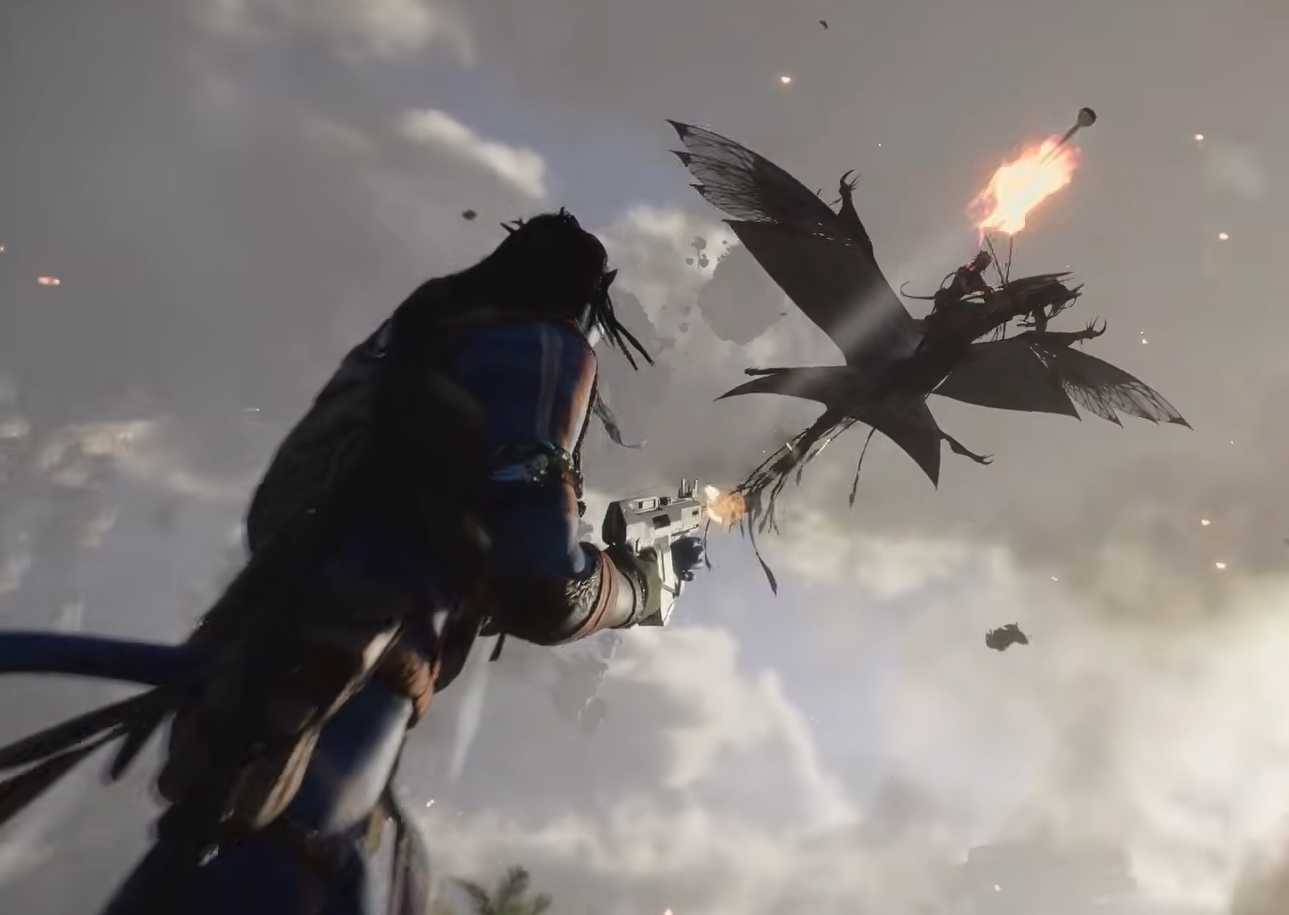
Ubisoft Massive has released the second major narrative expansion for the game, From the Ashes, and it serves as a grim reminder that on Pandora, peace is often just an intermission. If the first DLC, The Sky Breaker, was about celebration and sudden interruption, From the Ashes is about the gritty aftermath and the refusal to let hope die.
I dusted off my bow, called my Ikran, and dove back into the Western Frontier. Here are my thoughts on this darker, more desperate chapter of the Na’vi sarentu journey.
A Scarred Landscape
The first thing that strikes you in From the Ashes is the visual storytelling. The base game is renowned for its bioluminescent beauty—lush jungles, floating mountains, and vibrant plains.
This DLC subverts that expectation. The title is literal. The RDA hasn’t just returned; they have dug in like ticks, leaving vast swathes of the environment scarred, burned, and corrupted by industrial runoff. Flying over these new zones is heartbreaking. Seeing the contrast between the vibrant, healthy forest and the grey, dying zones surrounding new RDA installations provides immediate motivation.
You aren’t just fighting for territory anymore; you are fighting for the very lifeblood of the planet. The environmental storytelling is superb, making you feel the weight of the RDA’s “scorched earth” policy.
The Desperation of the Enemy
In the main game, the RDA felt like an invading force. In From the Ashes, they feel like a cornered animal—which makes them infinitely more dangerous.
The narrative focuses on a remnant of the RDA that refuses to leave. They are digging deeper, employing more brutal tactics, and unleashing new, heavier machinery to secure their foothold. The combat encounters feel steeper here. You’ll need to utilise every apex skill and piece of exquisite gear you acquired in the main game.
The DLC introduces new enemy variations that force you to adapt your tactics. The stealth approach is harder to maintain when the enemy is already on high alert, and the open combat feels frantic. It’s a satisfying challenge for players who have already mastered the base game’s mechanics.
Uniting the Fractured
The core theme of Frontiers of Pandora has always been unity. From the Ashes tests those bonds.
The destruction caused by the returning RDA has left the clans reeling. There is fear, finger-pointing, and a sense of hopelessness creeping in. As the Sarentu protagonist, your job isn’t just to blow up RDA gas refineries; it’s to act as the emotional glue for the Western Frontier.
You have to convince leaders who are tired of war to pick up their spears one more time. The dialogue and side quests emphasise resilience. It’s not about the glorious initial charge anymore; it’s about the grit required to keep fighting when everything seems lost.
Final Verdict: Is It Worth Returning?
If you enjoyed the core gameplay loop of Avatar: Frontiers of Pandora—the thrilling Ikran flight, the punchy guerilla archery combat, and the stunning visuals—then From the Ashes is a must-play.
It doesn’t reinvent the wheel, but it offers a compelling, darker extension of the story that feels necessary. It raises the stakes and provides a sobering look at the cost of the Na’vi’s resistance.
From the Ashes proves that the most beautiful worlds sometimes host the ugliest battles. It’s time to gear up, connect to Eywa, and remind the sky people that Pandora does not break easily.
Have you played the From the Ashes DLC yet? Let us know in the comments below what you think of the new region and the ramped-up difficulty!
Avatar: Frontiers of Pandora – From the Ashes – https://ubi.li/2zc56