For decades, the space 4X strategy genre has lived in the long shadow of a few classic titles. Many modern games have tried to recapture that magic, but few have managed to blend the nostalgia of yesteryear with genuinely fresh ideas. Enter Interstellar Space: Genesis (IS:G), a turn-based space 4X from Praxis Games that has quietly carved out a reputation as a solid, compelling experience for those who love building an empire from a single homeworld to galactic supremacy.
If the phrase “Master of Orion 2 clone” brings a satisfied nod, then you’ve found your next obsession. But don’t mistake it for a simple re-tread; IS:G takes the beloved core formula and injects it with enough smart innovations to stand on its own.
The Core of the 4X Universe
At its heart, IS:G is a classic 4X (eXplore, eXpand, eXploit, eXterminate) game. You start small, with one star system, and must guide your chosen race (or a custom-designed one) through a randomized galaxy map. All the familiar elements are here, refined for a modern player:
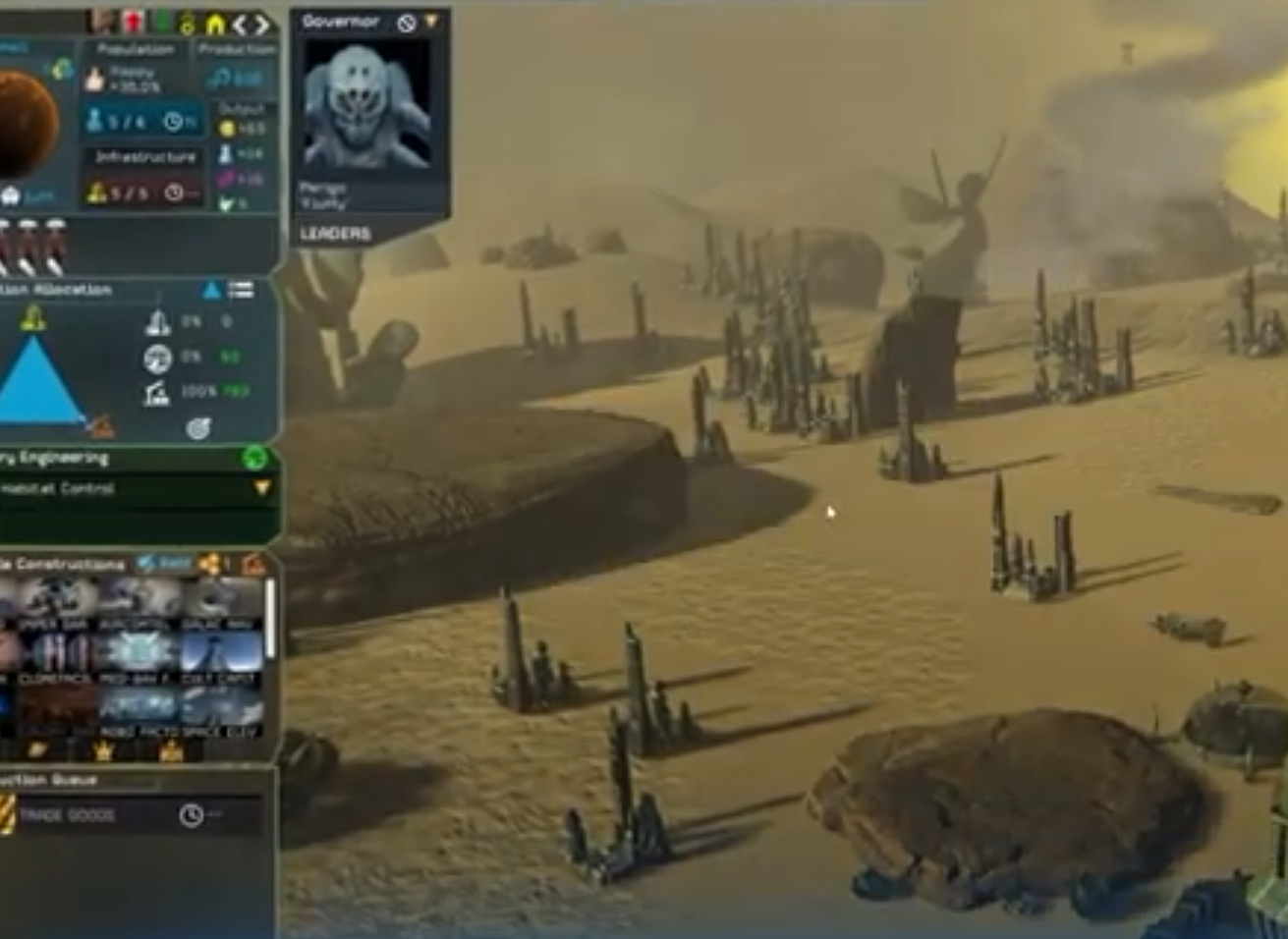
- Colony Management: Developing your worlds is critical. You decide what to build, how to manage population, and how to specialise a planet (production, research, etc.). Importantly, the game avoids the late-game micro-management slog by encouraging focused, critical building decisions rather than “build everything everywhere.”
- Deep Tech Tree: Research is a behemoth, giving you control over propulsion, weaponry, terraforming, and more.
- Ship Design: A vital component. You get to engineer custom ships, from light scout frigates to powerful titans, equipping them with your choice of armour, engines, shields, and weapons to crush your foes.
- Turn-Based Tactical Combat: When war inevitably breaks out, you can auto-resolve or dive into engaging, turn-based tactical battles, where ship positioning and loadout truly matter.
Where IS:G Shines: Innovative Twists
Where IS:G truly earns its reputation is in the thoughtful changes it makes to stale genre conventions:
Exploration that Never Ends
In many 4X games, the exploration phase ends quickly. Not here. IS:G features a remote exploration mechanic where you can continuously scan sectors of space even after all initial stars are found. This can reveal hidden star systems, special anomalies, black holes, or ancient ruins containing powerful technologies, keeping the discovery element relevant throughout the entire game.
Culture and Leaders with Personality
Beyond just technology, your empire develops a Culture which grants powerful, permanent perks and specialisations, adding a layer of unique asymmetry to your playthrough. Furthermore, the game’s Leaders are far more than just stat bonuses. They are unique individuals with personalities, desires, and skills. They can command fleets, govern colonies, or even be deployed on espionage missions. Fail to meet their demands, and they might leave or even be poached by a rival!
Evolving Empires and Minor Civilisations
The game has continued to evolve since its 2019 release. Expansions have added features like Minor Civilisations—hidden, non-player factions you can discover and gain great benefits from—and Evolutions, which add even more distinct, game-changing asymmetry to the various races.
The Verdict: A Love Letter with a Modern Touch
Interstellar Space: Genesis is a triumphant return to the golden age of turn-based space strategy. It’s a game that respects its heritage while offering crucial modern refinements. It has a great soundtrack, a cohesive sci-fi aesthetic, and a “just one more turn” factor that will keep you up late.
If you are a veteran 4X fan looking for a solid, deep, and traditional space empire builder that manages to inject new life into classic mechanics, look no further. Interstellar Space: Genesis is a bright new star in the galaxy.
Ready to start your journey to galactic ruler?
Interstellar Space https://www.interstellarspacegame.com
#InterstellarSpaceGenesis #InterstellarSpace #Genesis #games #gaming #gamers #PraxisGames #galacticempire #scifi #spaceexploration