Tag: #monks

  • Judgment is Coming: Fulqrum Publishing Reveals Inquisitor Simulator

    Judgment is Coming: Fulqrum Publishing Reveals Inquisitor Simulator

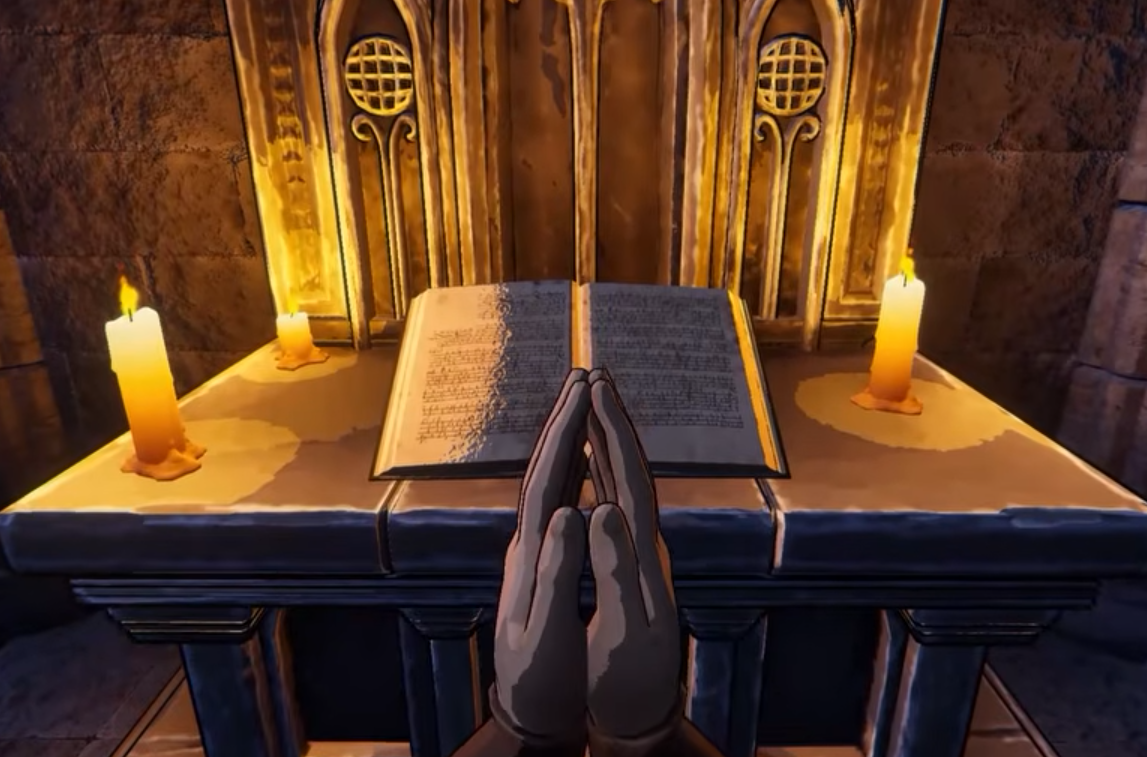
    If you’ve ever looked at a chaotic situation and thought, “This would be much easier if I could just purge the lot of them,” then Fulqrum Publishing has a treat for you. The publisher behind Forgive Me Father and Men of War has officially announced Inquisitor Simulator, a darkly humorous management sim that puts you in the hot seat of a medieval-esque inquisitorial monastery.

    Coming to PC and consoles, this isn’t your typical “save the world” hero story. It’s a game about making tough calls with very little evidence and dealing with the (often messy) consequences.


    Faith, Instinct, and Wild Guesswork

    Developed by Edyan.dev, a small but ambitious three-person team, Inquisitor Simulator casts you as an Inquisitor overseeing a remote monastery. Your job? Identify and contain supernatural threats. The catch? The truth is rarely obvious, and the “Inquisitor’s Manual” doesn’t cover everything.

    Key features include:

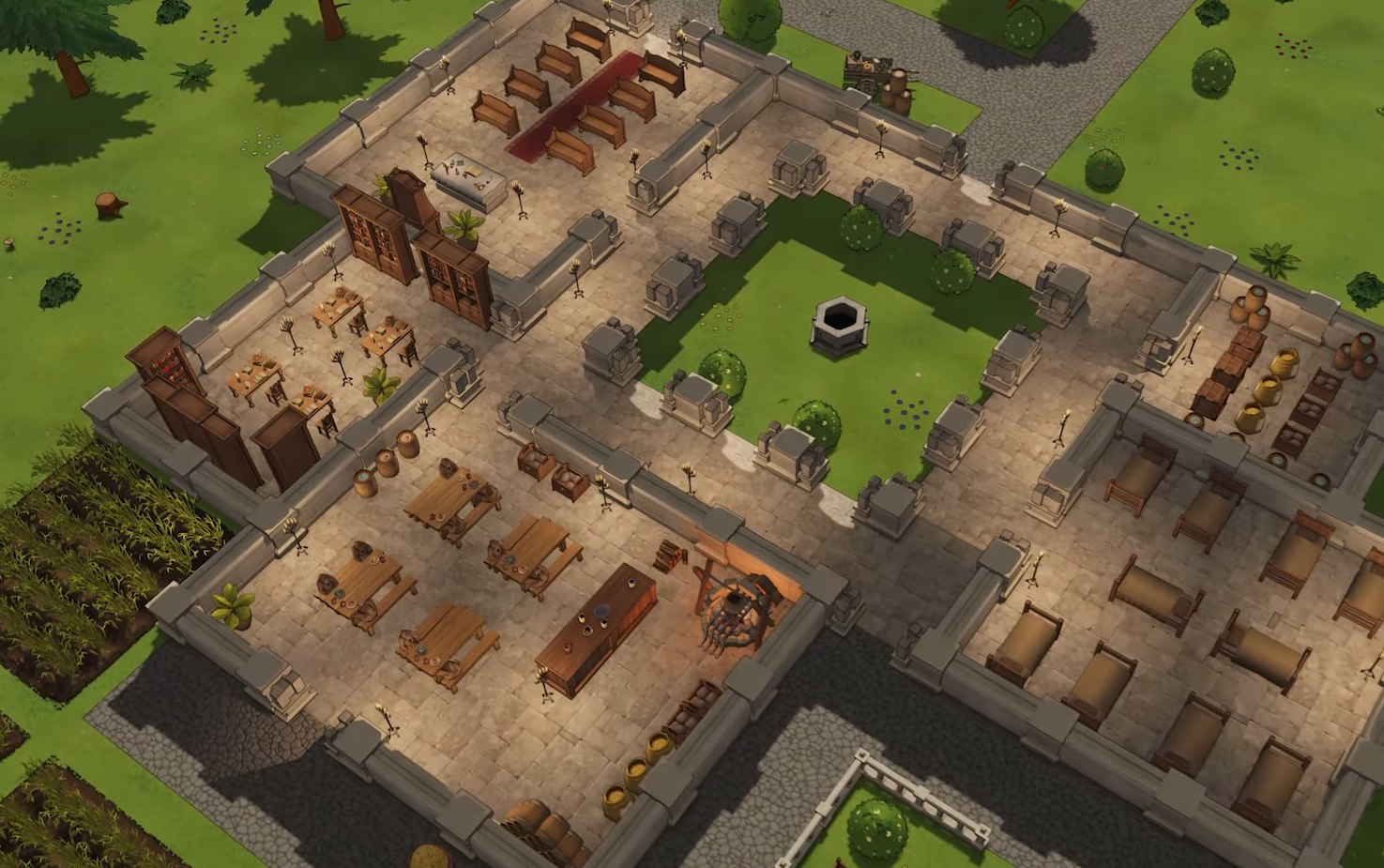
    • Monastery Management: Restore crumbling halls, manage your staff of monks, and expand forbidden archives. You’ll need to balance spiritual purity with structural integrity.
    • The Interrogation Room: Use a variety of tools and “persuasive encouragement” to extract confessions. Whether they are actually guilty is sometimes a secondary concern to getting the job done.
    • Deep Alchemy System: Brew remedies to help your followers or corruptive mixtures for… other purposes. Experimentation is encouraged, even if you immediately regret the results.
    • Diverse Threats: Face five major supernatural horrors and a rotating cast of lesser evils. When in doubt, the developers suggest that “apply fire” remains a highly effective fallback.

    A Different Kind of Dark Fantasy

    While the premise sounds grim, the game leans heavily into dark satire. You’ll be processing a steady stream of suspicious individuals—some genuinely possessed, some just in the wrong place at the wrong time. It’s a management sim where “misjudgment” is a gameplay mechanic rather than a failure state.

    “Prepare to pass judgment where certainty is rare, evidence is questionable, and the stakes may be spiritually catastrophic.”

    When Can We Play?

    While a specific release date hasn’t been nailed down just yet, Fulqrum has confirmed the title is heading to PC (via Steam) and consoles.

    For those who enjoyed the atmospheric dread of The Inquisitor (2024) but wanted more hands-on management and a wicked sense of humour, this looks like one to add to the wishlist.

    Are you ready to restore order, or will your monastery fall to total annihilation? Let us know your thoughts in the comments!

    Find out more here – https://s.team/a/4463840

    #FulqrumPublishing #InquisitorSimulator #horror #survival #monks #thedead #management #games #gaming #gamers
  • Ora et Labora: Pray, Work, and Build Your Monastic Empire!

    Ora et Labora: Pray, Work, and Build Your Monastic Empire!

    The bell tolls, signaling the start of a new day for your burgeoning monastic community. Welcome to Ora et Labora (Latin for “Pray and Work“), a complex and deeply satisfying board game from the master of heavy worker placement, Uwe Rosenberg.

    If you enjoy games where you start with almost nothing and end up with a sprawling, intricate engine of resource conversion, then grab your cowl and a worker meeple—this game is for you!


    What is Ora et Labora?

    At its heart, Ora et Labora is an engine-building and worker placement game for 1-4 players (though many enthusiasts argue it shines brightest at 3 or 4). Each player takes on the role of the head of a medieval monastery, tasked with acquiring land, constructing vital buildings, and producing prestigious goods to earn the most Victory Points (VPs).

    • Designer: Uwe Rosenberg (known for Agricola, Le Havre, and A Feast for Odin).
    • Theme: Medieval monastic life, focusing on building, resource production, and crafting high-value items like books, relics, and ceramics.

    The Brilliant Mechanics That Set It Apart

    While it shares DNA with Rosenberg’s other “big” games, Ora et Labora introduces a few unique elements that give it a distinctive feel:

    1. The Dynamic Resource Rondel

    Instead of adding resources to the board piece by piece, the game uses a rondel (a rotating wheel) that dictates the availability of core resources like wood, stone, and clay.

    • At the start of each round, the rondel rotates one segment.
    • This rotation instantly adjusts the supply of every basic resource, adding an elegant, global timing mechanism that all players must track. It’s a beautifully smooth way to handle resource generation.

    2. The Personal & Shared Landscape

    Every player has their own personal game board where they construct buildings. However, unlike some other games where your board is entirely isolated, Ora et Labora features a fascinating layer of player interaction:

    • Building Your Engine: You use resources to build enterprises on your land, such as a Brewery, a Scriptorum, or a Workshop.
    • Borrowing Buildings: The key twist is that you can use your opponent’s unoccupied buildings! To do so, you must pay them a fee (usually a coin or a high-value good), and they, in turn, use one of their workers to perform the action for you. This creates a delightful tension, forcing you to monitor what your rivals build and deciding if paying the tariff is worth the powerful action.

    3. Spatial Puzzle and Settlements

    The placement of your buildings matters! Your monastery grows by acquiring land tiles and clearing out Moors or Forests (which grant a one-time resource bonus).

    • You need to carefully manage the spatial arrangement on your board, as certain high-scoring Settlements require specific adjacency to other buildings and terrain. This adds a compelling polyomino-like puzzle to the resource conversion chain.

    Building Your Path to Victory

    The ultimate goal is to convert basic goods (like wood and grain) into prestigious, high-VP items (like Whiskey, Ornaments, or Books). The game is a true sandbox, offering multiple paths to victory:

    • The Brewhouse Route: Focus on converting grain into malt, then ale, and finally high-scoring whiskey.
    • The Manuscript Route: Prioritize wood and parchment to produce manuscripts and books in the Scriptorium.
    • The Real Estate Magnate: Invest heavily in acquiring land and building large settlements and monuments for substantial end-game points.

    With two different variants included in the box (France and Ireland), which use different sets of building cards, the game offers excellent long-term replayability, inviting you to explore new synergistic building combos every time you play.


    Final Verdict

    Ora et Labora is a dense, brain-burning, and incredibly rewarding experience. It successfully blends resource management with worker placement and a spatial puzzle, all wrapped in the peaceful (if economically cutthroat) theme of a medieval monastery.

    While the sheer number of conversion chains and buildings can feel overwhelming during your first play, sticking with it will reveal an elegant design and a vast decision space that keeps you coming back for more. It stands tall as one of Uwe Rosenberg’s finest achievements.

    Time to put your hands to work and your mind to the prayer of point maximization!

    Monastery: Ora et Labora – https://www.dragonkinstudios.com

    #MonasteryOraetLabora #monks #medieval #monastery #brewale #craftmanuscripts #brotherhood #spiritual #DragonkinStudios #playtest #games #gaming #gamers #videogames