The hype for MY HERO ACADEMIA: All’s Justice is officially hitting Plus Ultra levels! With the game launching on February 6, 2026, Bandai Namco has finally revealed the massive roster we’ll be playing with.
This is the largest lineup in the franchise’s history, featuring 51 characters at launch (plus pre-order bonuses and upcoming DLC). It’s designed to cover the entire series timeline, including the heavy-hitting forms from the Final War Arc.
The Roster Breakdown
The roster is split into four main categories, ensuring every fan has their “main” ready to go:
U.A. High School (Class 1-A & 1-B): The game features the entire Class 1-A lineup (all 20 students!), plus heavy hitters like Mirio Togata, Nejire Hado, and Hitoshi Shinso.
Pro Heroes: The big guns are here, including Armoured All Might, Endeavour, Hawks, Mirko, and Best Jeanist.
The Villains: Play as the most dangerous versions of Tomura Shigaraki (All For One form), Dabi (Flame of Death), and the terrifying All For One (Rewind).
Wildcards: Expect to see fan-favourites like Lady Nagant, Gentle & La Brava, and even the “High End” Nomu.
Launch & Pre-Order Specials
Total Launch Roster: 51 Playable Characters.
Pre-Order Bonus: Early unlock for All For One (Chaos) and Izuku Midoriya (Rising).
Season Pass: 5 additional characters confirmed for post-launch.
What’s New?
Beyond the roster, the game introduces a 3v3 tag-team system and the “Rising” mechanic, which boosts your Quirk’s power and speed mid-fight. If you’ve been waiting for a “Sparking! ZERO” style treatment for MHA, this looks like the one.
Platforms: PS5, Xbox Series X|S, and PC (Steam).
Find out more here – https://www.bandainamcoent.com/games/my-hero-academia-alls-justice
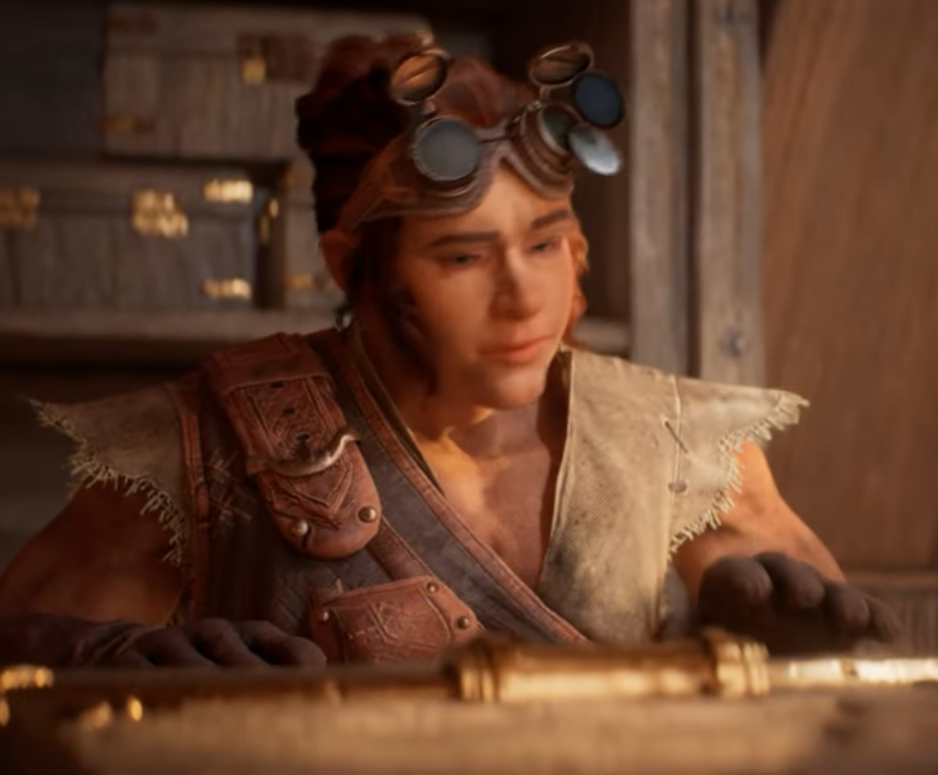
In the niche crossover of greasy-fingered engineering and high-octane street racing, Underground Garage has carved out a unique space. Developed by BeardedBrothers.games and published by astragon Entertainment, the game officially hit its 1.0 Full Release on January 27, 2026.
It’s best described as the love child of Car Mechanic Simulator and Need for Speed, blending the zen-like precision of a workshop sim with the adrenaline of open-world illegal racing.
From Junkyard Junkie to Street Legend
The core of Underground Garage revolves around a compelling “garage to greatness” loop. You start as a mechanic working alongside your colleague, Deb, trying to rebuild a reputation after the mysterious disappearance of the garage’s original owner.
The Build: Unlike arcade racers, where you click “Upgrade Stage 1,” here you actually get under the hood. Every car is assembled from dozens of individual parts. You’ll raid junkyards, swap engines, and fine-tune every component from the suspension to the ECU.
The Maintenance: The 1.0 release introduced a realistic fluid system (oil, coolant, brake fluid) and a fuel octane system. Using the wrong fuel can actually cause engine knock and damage your hard work.
The Drive: Once your machine is street-legal (or street-illegal), you take it into a semi-open world. The game features 29 tracks and three primary modes: Practice, Time Attack, and Race.
Key Features of the 1.0 Release
The jump from Early Access to the full version was substantial, adding layers of depth that the community had been requesting for years:
Feature
Details
Vehicle Roster
Expanded to 20 cars, ranging from muscle cars to compacts.
Engine Variety
15 different engine types, including V10s and Boxer-style H6s.
Betting System
High-stakes 1v1 races where you can bet cash or even your pink slip.
New Tech
Added workstations for ECU hacking, battery diagnostics, and tire mounting.
Visuals
Powered by Unreal Engine, featuring realistic body damage and physics.
The Verdict: Is It For You?
If you’re the type of player who enjoys the “why” behind a car’s performance as much as the “how fast,” Underground Garage is likely your new obsession. It’s less about the glossy, untouchable supercars of Forza and more about the grit, oil, and pride of building a sleeper hit from a frame you found in a pile of scrap.
Note: The game is currently available on PC (Steam), with console versions for PlayStation and Xbox having been a major part of the developer’s roadmap.
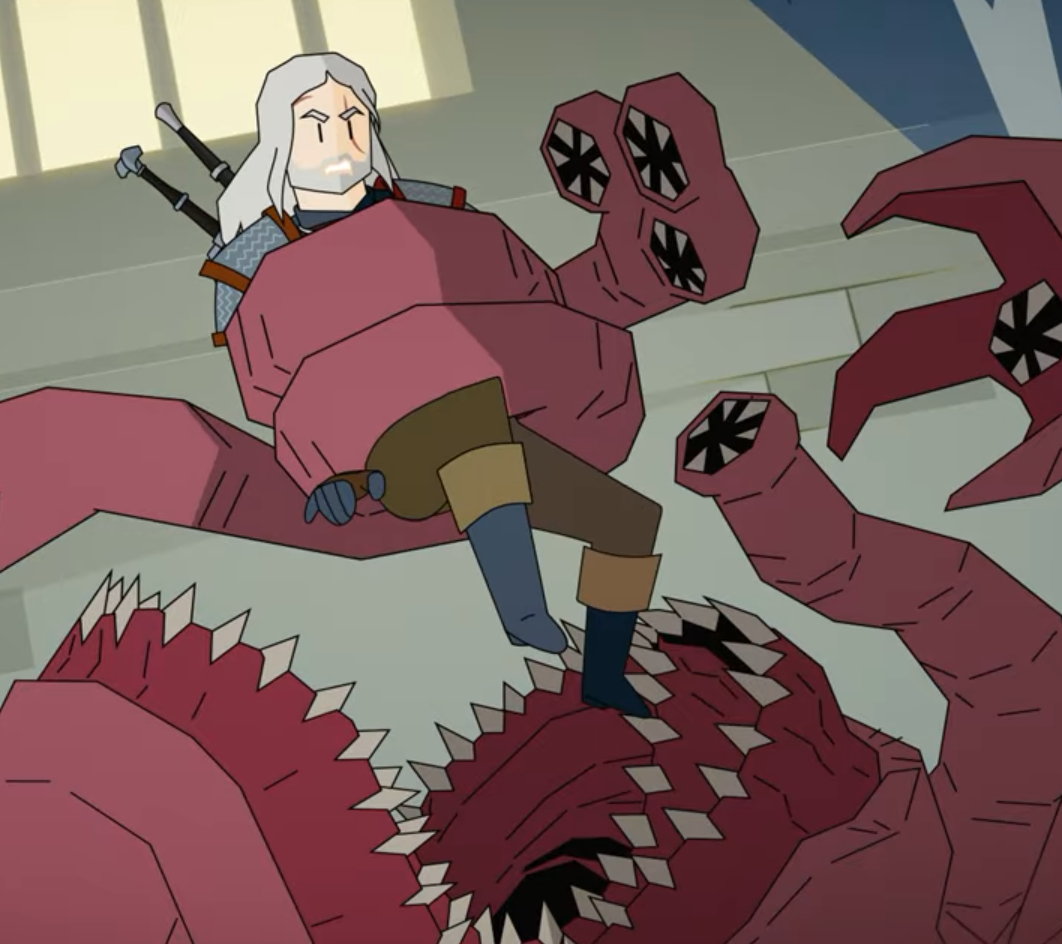
In a surprise move that merges dark-fantasy grit with casual mobile gameplay, CD Projekt Red and Nerial (the creators of Reigns) have announced Reigns: The Witcher.
Set to launch on February 25, 2026, this spin-off offers a stylistic, tongue-in-cheek detour from the heavy-hitting RPGs the franchise is known for. Here is what you need to know about Geralt’s latest “swipe-right” adventure.
1. Dandelion Pulls the Strings
Unlike the main series, where Geralt’s choices are “yours,” this game is framed through the unreliable narration of the bard Dandelion. He is recounting the White Wolf’s legendary exploits to a tavern audience—and he’s not afraid to embellish.
Because the game is essentially a performance, the tone is lighter and more comedic. Your goal isn’t just to survive; it’s to help Dandelion tell a story so grand that it achieves “narrative immortality.”
2. Gameplay: Choice by Swipe
The core mechanic follows the classic Reigns formula. You are presented with narrative cards featuring allies, monsters, and moral dilemmas.
Swipe Left or Right: Every decision shifts the balance of four key pillars: Humans, Non-humans, Sorcerers, and Geralt’s own Witcher Path (his monster-hunting focus).
Balance is Life: If any meter becomes too full or completely empty, Geralt meets a “deliciously creative” end—anything from being eaten by a dragon to drowning in a vat of syrup.
Roguelite Progression: When Geralt “dies,” Dandelion simply starts a new ballad. Each run unlocks new “Inspirations,” cards, and songbooks that expand the story for your next attempt.
3. Rhythm-Based Combat
While Reigns is usually purely text-based, this version introduces a combat minigame. Described by the developers as a “Witcher fan-fiction simulator,” these sequences require you to swipe in rhythm to mimic Geralt’s “sword dance,” dodging and parrying attacks from ghouls and rotfiends.
4. Familiar Faces
Expect a star-studded cast of characters to pop up in Dandelion’s tall tales:
Yennefer and Triss: Usually offering high-stakes magical bargains.
Vesemir: Providing grizzled wisdom (or judging your choices).
Roach: Yes, the horse is there—and yes, things still get weird.
Availability & Specs
Release Date: February 25, 2026
Platforms: PC (Steam), iOS, and Android
Vibe: A perfect “snackable” game for fans waiting for The Witcher 4.
Find out more here – https://www.reignsgame.com/witcher
The long-awaited sequel to the 2019 anime-inspired Soulslike, CODE VEIN II, has officially arrived. Developed by Bandai Namco Studios, the title is launching on January 30, 2026, for PlayStation 5, Xbox Series X|S, and PC, with early access already open for those who purchased the Deluxe or Ultimate editions.
A World Divided by Time
While the first game focused on the claustrophobic ruins of Vein, CODE VEIN II expands the scope significantly by introducing time travel. Players step into the shoes of a Revenant Hunter who, after a fatal mission, is revived by a mysterious girl named Lou MagMell.
Together, they journey 100 years into the past to prevent the “Resurgence”—a cataclysmic event triggered by a corrupting force known as the Luna Rapacis that turns Revenants into mindless “Horrors.” This dual-era narrative means your actions in the past can ripple forward to change the layout and events of the present world.
Evolved Combat & Mechanics
The sequel retains the signature “Blood Code” system but introduces several major overhauls:
New Weapon Types: In addition to returning favourites, the game introduces Dual Blades, bringing the total weapon count to seven distinct classes.
The Link Point System: Partners are more than just AI backup. A new “Link Point” gauge acts as a shared shield between you and your ally. Maintaining this bond grants Link Traits (powerful temporary buffs), while taking too much damage can break the bond and leave you vulnerable.
Restorative Offering: A high-stakes mechanic where partners can sacrifice their own health to revive the player. However, this triggers a cooldown that leaves your partner incapacitated, forcing you to survive solo for a duration.
Visuals and Performance
Built on Unreal Engine 5, the game boasts a striking upgrade in lighting and environmental detail. While early reviews have praised the improved world design (moving away from the linear “corridor” feel of the original), some critics have noted that the higher fidelity comes with a cost—performance hitches have been reported on both PC and consoles during high-intensity boss fights.
Find out more here – https://en.bandainamcoent.eu/code-vein/code-vein-2
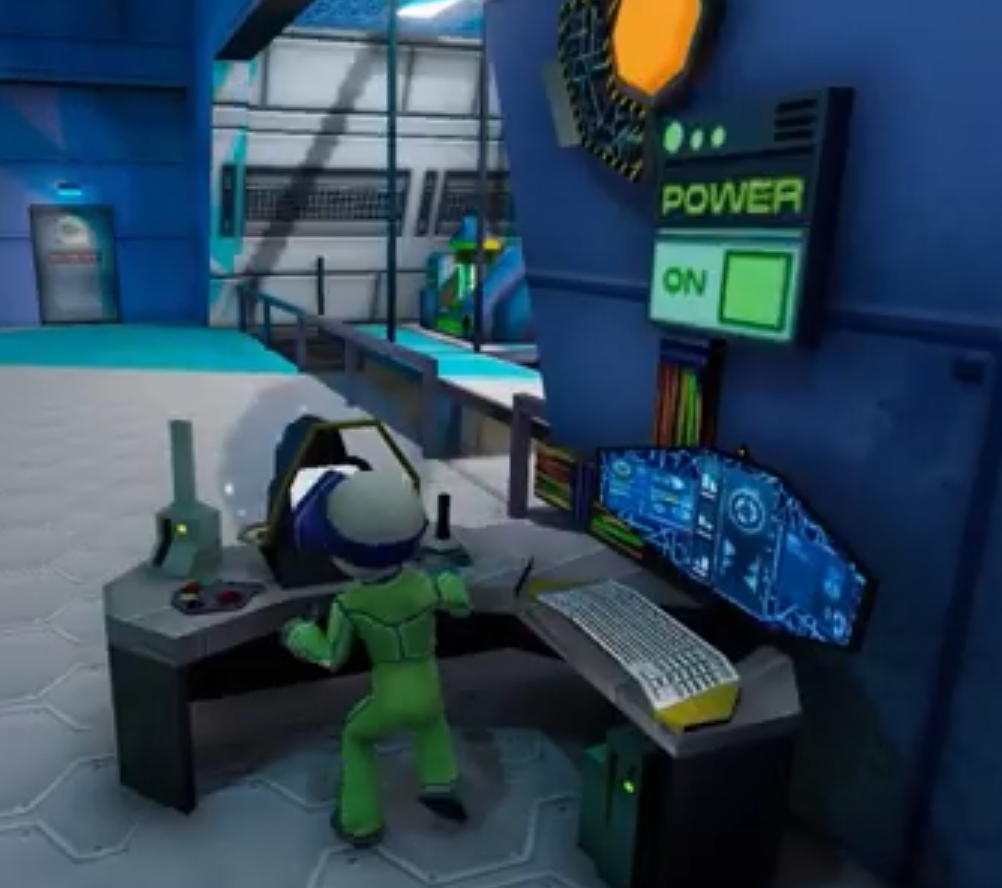
In an era of hyper-realistic graphics and hand-holding tutorials, Serene Estates: Last Guy arrives as a refreshing, moody love letter to the PS2 era. Developed by Studio DynoStorm and set for a full release on February 27, 2026, this title blends the frantic “human-herding” strategy of the 2008 classic The Last Guy with a haunting, underground industrial atmosphere.
Here is a breakdown of what makes the gameplay in the Serene Estates facility so uniquely addictive.
The Setting: An Underground Labyrinth
Unlike the satellite-mapped cities of its predecessor, this game takes place entirely within Serene Estates, a colossal subterranean housing complex designed to protect humanity—but now serving as a lethal trap.
A Living Facility: You navigate through cooling fans, wind tunnels, and “Cultivation Centres.”
Environmental Hazards: The facility itself is your enemy. You’ll dodge electrified water, toxic gas, and industrial machinery while searching for survivors.
Core Gameplay Mechanics
The goal is simple but stressful: find the “residents” hiding in the facility and lead them to a rescue zone before the systems shut down.
The “Conga Line” of Doom: As you rescue residents, they form a line behind you. The longer the line, the harder it is to manoeuvre around corners and away from patrolling drones.
Stamina & Crowd Control: You have a limited stamina meter that allows you to:
Sprint: Vital for outrunning security.
Huddle: Forcing your line of survivors to cluster tightly around you to squeeze through narrow gaps or avoid detection.
Hacking & Stealth: Since you are physically weak (playing as the droid D-5 Omega), you must use terminals to hijack security drones or cameras to clear a path.
Enemy Logic: Serena’s Eyes
The facility is overseen by Serena, an AI that views you as a “malfunction.”
Security Cameras: Stepping into a camera’s line of sight triggers alarms and locks down the area.
Patrol Drones: These “maintenance” units will instantly terminate you on contact. If they hit your line of survivors, the group scatters, forcing you to go back and recollect them.
Boss Encounters: The Demo features intense “Red Death” sequences where the AI floods rooms with lethal energy, requiring perfect timing and use of the “Time Dash” mechanic to survive.
Pro-Tip: Look for Soy Breeze vending machines to restore health and Bug Lite items to permanently increase your health pool. You’ll need every bit of it for the late-game “Wind Tunnel” puzzles.
Find out more here – https://kvltgames.com/last-guy/
In January 2026, Mana Core Game Studios officially pulled back the curtain on its debut title, Utopia: Birth of the Heroes. This dark, medieval fantasy visual novel is making waves for its ambitious narrative structure and focus on the heavy moral weight of leadership and idealism.
The Core Premise: A War of Ideals
Set in a realm fractured by relentless war and arcane magic, the story follows three distinct protagonists: Diomedes Morgan, Frederick Marcus, and Eskil Ilhamy. Unlike many fantasy titles that focus on a simple “Good vs. Evil” struggle, Utopia centres on the concept of the “Perfect Society.”
Each protagonist is driven by a unique vision of what a utopia looks like. As their stories intertwine, players are forced to navigate:
Political Tensions: Managing the fragile alliances of war-torn kingdoms.
Arcane Mysteries: Exploring a world where magic is both a tool for creation and a weapon of destruction.
Sacrifice: Deciding what—and who—must be given up to achieve a “perfect” world.
Key Gameplay Features
While the game follows the visual novel format, it emphasises player agency and high replayability through several key pillars:
Branching Perspectives: Players experience the narrative through three different lenses, seeing how one character’s “heroic” decision might be another’s tragedy.
Consequence-Driven Choices: Decisions ripple across the world, affecting not just personal relationships but the literal survival of entire nations.
Immersive Atmosphere: The game features an evocative musical score by Peter Reid Jones, designed to heighten the emotional stakes of the political and moral dilemmas.
Mature Storytelling: Mana Core has leaned into “dark and arcane” themes, featuring mature depictions of war, loss, and the bloody reality of medieval conflict.
Development and Release
Utopia: Birth of the Heroes is the debut project from Dante and Daniel Arjona, brothers and co-founders of the Monterrey-based Mana Core Game Studios.
“We wanted to build a world where you can agree or disagree with the characters but still feel like you are part of their world,” says Dante Arjona. “Every choice feels personal because it mirrors something bigger than just the character.”
How to Play Now
While the full game is slated for a 2026 release on Steam, players don’t have to wait to see the world of Beia for themselves:
Steam Playtest: A playtest is currently live, offering immediate access to Chapters 0 through 2.
Steam Next Fest: An expanded demo is scheduled to debut during the February 2026 Steam Next Fest.
Find out more here – https://manacoregs.com/utopia/
Indie developer Sunny Lab, in partnership with publisher Silver Lining Interactive, has officially confirmed that its highly anticipated 2D adventure RPG, The Witch’s Bakery, will whisk its way onto the Nintendo Switch 2 in Q2 2026.
Following a massive Kickstarter success that saw over 7,000 backers pledge more than €315,000, the French studio announced the next-gen console version alongside a brand-new trailer. The game is now slated for a simultaneous release across PC (Steam), PlayStation 5, Xbox Series X|S, the original Nintendo Switch, and its successor.
Magic in Modern Paris
The Witch’s Bakery invites players to step into the flour-dusted shoes of Lunne, a cheerful witch who has just arrived in a vibrant, modern-day Paris. While she spends her mornings managing a bustling bakery, her real magic lies in her ability to see into the “Heart Palaces” of her customers to heal their deepest emotional struggles.
The gameplay experience is structured into three distinct daily phases:
Daytime: Manage the bakery, serve customers, and grow your reputation.
Evening: Explore iconic Parisian districts, such as Le Quai des Bouquinistes, to meet new friends and uncover secrets.
Night: Retreat to Lunne’s cosy atelier to craft magic, decorate the shop, and rest for the day ahead.
Physical Pre-orders & “Key-Card” Innovations
In a move to cater to collectors, Sunny Lab also announced physical editions for PS5 and both Nintendo platforms. Interestingly, the developer noted that the Nintendo Switch 2 physical version will utilise a “Game Key Card” (GKC) approach to keep the retail price accessible while still offering a boxed product for enthusiasts.
“Being able to offer a boxed version of The Witch’s Bakery is something we’re genuinely excited about,” the team shared in a recent update. “Physical releases come with additional costs… but it’s important to us to keep the price reasonable and accessible.”
The physical editions are available for pre-order now at $34.99 / £29.99 / €34.99 and include an exclusive digital cookbook featuring recipes inspired by the magical pastries in the game.
Release Outlook
With over 90,000 wishlists on Steam and a growing community, The Witch’s Bakery is shaping up to be one of the breakout “cosy” hits of 2026. Owners of the original Switch version will also reportedly benefit from cross-generation save support and a free upgrade path to the Switch 2 version, ensuring no baker is left behind.
Find out more here on Steam – https://shorturl.at/IoiOn
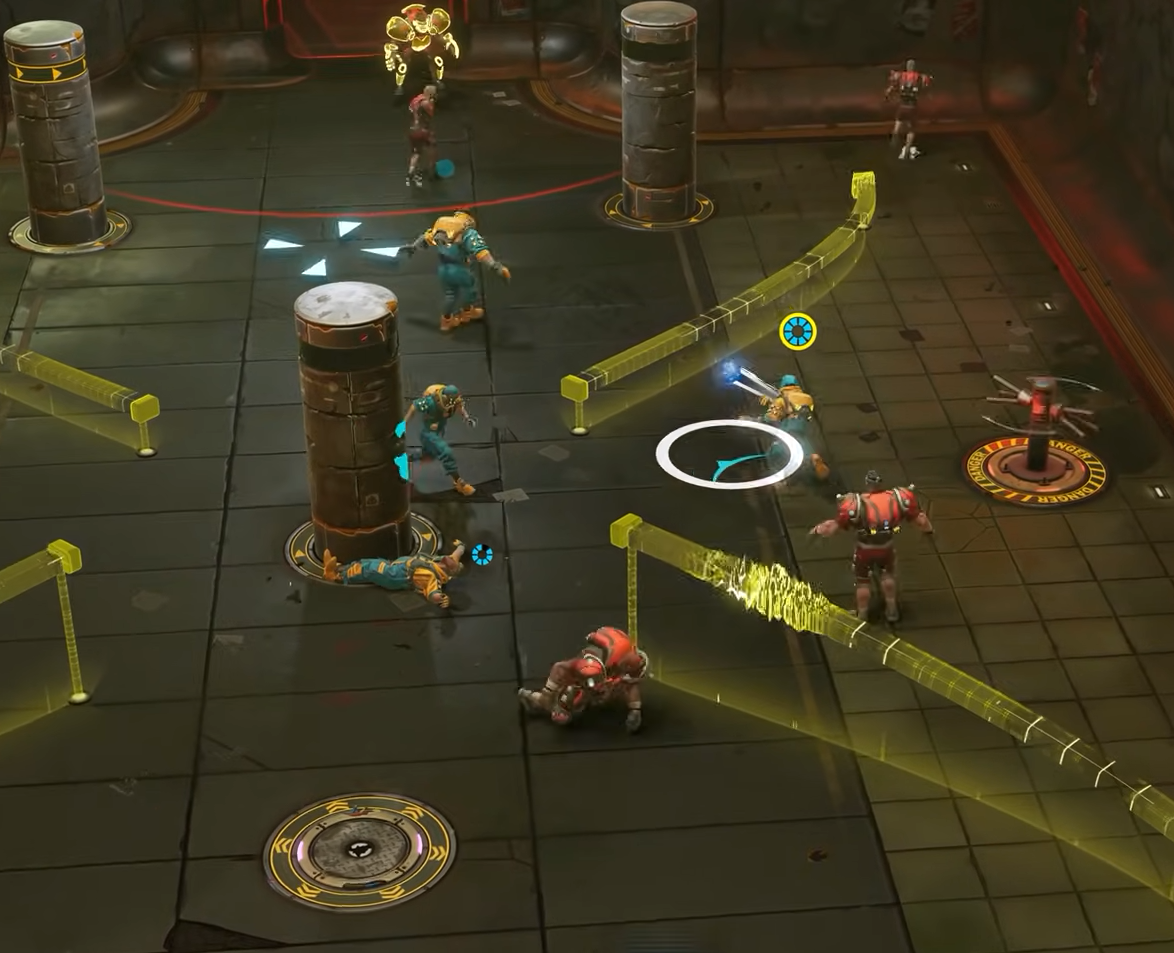
Speedball is a high-octane blend of handball and ice hockey—with a violent, cybernetic twist.
Fast-Paced Action:Master high-speed passing, precision shooting, and disciplined team coordination.
No-Holds-Barred Brutality: There are no fouls here. Use bone-crunching tackles to sideline your opponents. The Slam Cam will even capture the most visceral hits in glorious slow motion.
Arena Hazards: It’s not just the players you have to worry about. Watch out for dynamic traps like flamethrowers, ice shotguns, and grind rails that can turn the tide of a match in seconds.
NEW FEATURES FOR 1.0
League Mode: Lead a squad of up to 18 all-stars through a full season. Manage player fatigue, injuries, and tactical rotations to go from “fresh meat” to champions.
Management Strategy: Draft players with unique traits like Pyromaniac or Rioter. Build an aggressive powerhouse or a defensive fortress.
Expanded Arenas: 1.0 features 8 brand-new arenas, including “Brutal” variants of classic maps.
Visual Overhaul: Upgraded VFX for high-impact collisions and new customizable armour sets.
HOW TO PLAY
Solo: Battle through the single-player League Mode or hone your skills against the AI.
Multiplayer: Take on the world in skill-based online matchmaking or settle scores with local couch co-op.
After a nine-year hiatus, the gaming world’s most cynical and foul-mouthed goblin is returning to the shadows. Developed by Cyanide Studio and published by Nacon, Styx: Blades of Greed is the third instalment in the stealth-action series, following Master of Shadows (2014) and Shards of Darkness (2017).
Scheduled for release on February 19, 2026, the game looks to evolve the franchise’s “hardcore stealth” roots into a more expansive, sandbox experience.
A New Era of Goblin Greed
Set immediately after the cliffhanger ending of Shards of Darkness, Blades of Greed serves as a narrative bridge to the events of Of Orcs and Men. For the first time, Styx is no longer just a hired hand; he is a boss leading his own crew from a personal zeppelin.
The central MacGuffin this time is Quartz, a mysterious and volatile power source. As the continent of Iserian teeters on the edge of a Great War between humans, elves, and orcs, Styx aims to snatch as much Quartz as possible, which simultaneously grants him devastating new magical abilities.
Expanded Gameplay & Traversal
While previous entries were known for their tight, linear levels, Blades of Greed introduces a Metroidvania-style structure across three massive open environments:
The Wall: A brutal human military stronghold.
Turquoise Dawn: A lush, vertical orc village.
Akenash: The ruins of the ancient elven capital.
New Tools for the Master of Shadows
To navigate these larger spaces, Cyanide has overhauled Styx’s mobility:
The Glider: Allows Styx to soar across gaps and drop onto unsuspecting guards from above.
Grappling Hook: Adds significant verticality, letting players zip to rafters and hidden ledges.
Metal Claws: Enable Styx to scale surfaces that were previously unreachable.
Stealth vs. Combat
The developers have doubled down on the “pure stealth” philosophy. Direct combat remains deliberately clunky and punishing—Styx is a goblin, not a gladiator, and can be killed in just two or three hits.
Instead, players are encouraged to use creativity over brawn. You can extinguish torches with sand, poison food supplies, rig chandeliers to fall, or use Quartz-powered abilities like Time Shift and Mind Control to turn enemies against one another.
Find out more here – https://store.steampowered.com/agecheck/app/3290690/
The Wind’s Pathcombines the speed of classic high-velocity platformers with a unique top-down combat system. You play as Olis, tasked with recovering reality-shifting shards for a mysterious alchemist.
What makes it special? Deep Customisation: New “Assist” and “Hardcore” settings let you tailor the challenge—from “One Punch” mode to extreme survival. Fluid Traversal: Upgrade your wind powers to leap further and fly faster. Artistic Style: Beautiful, hand-drawn environments that pop off the screen.
Whether you’re looking for a quick session or a difficult climb to the top of the leaderboards, the path is waiting.
Check it out on Steam and Itch.io! https://store.steampowered.com/app/2424500/The_Winds_Path/
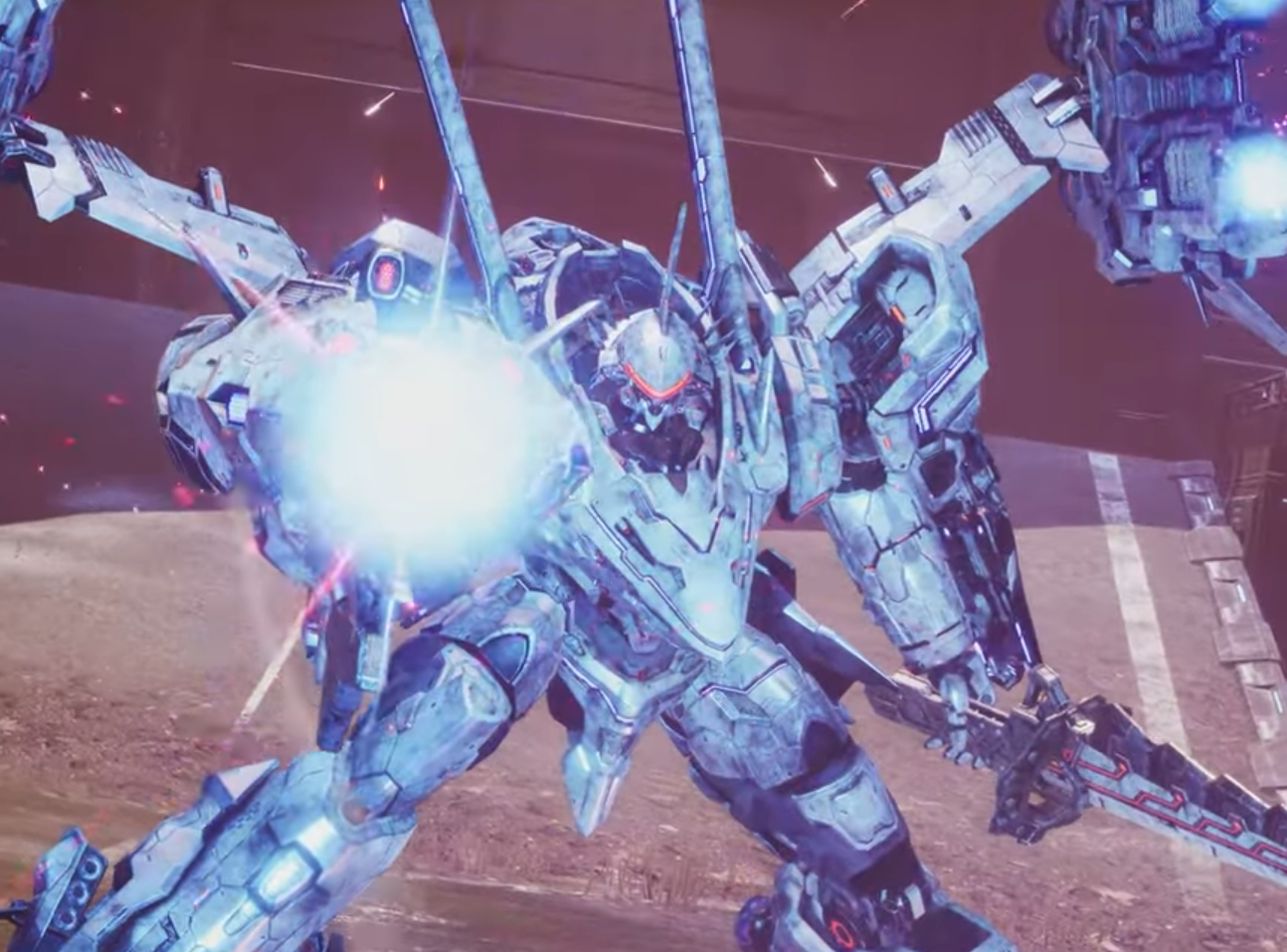
Before Armoured Core VI returned to the throne, this vibrant, fast-paced spiritual successor was keeping the giant robot dream alive. Here’s why it’s still worth strapping into your Arsenal today.
For a long time, the mech genre felt like it was in cryosleep. Fans of customised robotic warfare were left waiting, replaying old titles and hoping for a revival. Then, in 2019, a streak of neon-colored lightning hit the Nintendo Switch (and later PC). It was called Daemon X Machina.
Helmed by Kenichiro Tsukuda—a veteran producer of the legendary Armoured Core series—and featuring mechanical designs by the visionary Shoji Kawamori (of Macross fame), Daemon X Machina arrived with a serious pedigree. It promised deep customisation, breakneck speed, and an aesthetic unlike anything else on the market.
While it may have flown under the radar for some, this game is a chaotic, flawed, and absolutely addictive gem that deserves a second look. If you love building giant robots and then using them to blow up other giant robots, here is why you need to reclaim your destiny.
The Loop: Loot, Build, Destroy
At its heart, Daemon X Machina is a third-person action shooter with a heavy emphasis on “looting.” You play as a “Reclaimer”—a mercenary pilot in a post-apocalyptic world where the moon has shattered, raining strange energy onto the Earth and turning AIs against humanity.
Your tool of the trade is the Arsenal, a highly customizable mech. The core gameplay loop is intoxicatingly simple:
Accept a mercenary contract (mission).
Drop into a battlefield and obliterate corrupted machines and rival mercenaries in fast-paced aerial combat.
This is key: When you down an enemy Arsenal, you can fly over to their wreckage in real-time and rip weapons or armour parts right off their chassis to add to your inventory.
Return to base, take your new loot into the hangar, and spend hours obsessing over your build.
The immediacy of looting on the battlefield is fantastic. See an enemy with a cool laser sword? Shoot them down and take it. It turns every encounter into a potential shopping spree.
The Hangar: Where Hours Disappear
If you are the type of gamer who spends more time in menus tweaking stats than actually playing the game, welcome home.
The customisation in Daemon X Machina is deep and satisfying. You aren’t just slapping on a new gun; you are balancing weight, energy consumption, memory usage, boost speed, and lock-on ranges. Do you want a hulking tank that dual-wields bazookas? Do you want a lightning-fast ninja mech with a katana and an SMG? Do you want to specialise in long-range sniping or area-of-effect missile swarms?
The game encourages you to build multiple Arsenals for different mission types. And crucially, it lets you make them look incredible. The paint and decal options allow for some serious “Fashion Mech,” ensuring your machine looks as deadly as it performs.
The Vibe: Neon Apocalypse and Heavy Metal
Where many mech games lean into gritty, grey military realism, Daemon X Machina kicks down the door wearing neon sunglasses.
The art style is a striking, cel-shaded comic book brought to life. The world is bathed in vibrant reds, electric blues, and radioactive greens. It’s a stylistic choice that ensures the action remains readable even when dozens of missiles and lasers fill the screen.
Matching this high-energy visual style is an absolutely shredding soundtrack. The music is a driving mix of heavy metal and industrial rock that fits the mechanical carnage perfectly. When the guitar riffs kick in during a boss battle against a colossal “Immortal,” your adrenaline will spike.
The Honest Truth: It’s Not Perfect
It would be disingenuous to recommend Daemon X Machina without acknowledging its rough edges.
The story is, to put it mildly, a convoluted mess of anime tropes. There is a massive cast of mercenary characters, rival factions, and shadowy organisations, and it can be very hard to care about who is betraying whom and why. Most players eventually tune out the dialogue and just focus on the mission objectives.
Furthermore, the mission variety can wear thin in the late game. You will find yourself doing a lot of “destroy all enemies” or “defend this target” objectives repeatedly. While the combat remains fun, the context for it gets repetitive.
The Verdict: Strap In
Despite its narrative flaws and repetitive mission structures, Daemon X Machina succeeds where it counts: the moment-to-moment gameplay.
The sheer joy of piloting a fully customised Arsenal, boosting through the air at breakneck speeds while dodging a barrage of lasers, feels incredible. It fills a niche between the slower, methodical pacing of older mech sims and high-speed character action games.
If you are looking for a game where you can turn your brain off, crank up the metal soundtrack, and spend dozens of hours building the ultimate war machine, Daemon X Machina is waiting for you in the hangar.
Daemon X Machina: Titanic Scion – https://na.daemonxmachina.com/titanicscion/
In the world of Soulslikes, few titles have captured the “anime-gothic” aesthetic as perfectly as Bandai Namco’s 2019 hit. After years of silence, the Revenants are finally rising again. CODE VEIN II has been officially revealed, and it’s shaping up to be much more than just a standard sequel—it’s a time-bending reimagining of the formula we loved.
Here is everything you need to know about the upcoming journey into the past and present.
The Story: A Race Against Time
Set in a post-apocalyptic world where humanity and Revenants coexist in a fragile balance, CODE VEIN II introduces a terrifying new threat: the Luna Rapacis. This mysterious force is turning Revenants into mindless Horrors, accelerating the collapse of what remains of civilisation.
You step into the boots of a Revenant Hunter who, after a fatal mission, is revived by a mysterious girl named Lou MagMell. Lou shares half of her heart with you, granting you the unique ability to wield time as a weapon. Together, you will travel between the ruined present and the world as it was 100 years ago to rewrite history and prevent the cataclysm before it ever begins.
Key Characters
Lou MagMell: Your mysterious saviour who possesses the power of time manipulation.
Valentin Voda: A powerful Revenant from the past, researching formae to save humanity.
Lyle McLeish: A reckless master swordsman and ace of the “Dawn Chorus” organisation.
Gameplay: Evolved Combat & Exploration
While the core “Anime Souls” DNA remains, CODE VEIN II introduces several massive shifts in gameplay:
1. The Dual-Timeline World
The world is now more open, allowing for deeper exploration. Crucially, actions you take in the past ripple into the present. Solving a puzzle or defeating a boss 100 years ago might unlock a new dungeon or change a questline in the modern day.
2. The Partner System 2.0
Your AI (or co-op) companions are more integrated than ever. You now have two primary ways to utilise them:
Summon: Your partner fights independently alongside you.
Assimilation: You channel your partner’s essence directly into your own body, granting you a massive stat boost and access to “explosive” high-damage attacks.
3. New Tools of Destruction
Bequeathed Formae: These are special summoned items, including a Motorcycle for faster traversal across the wasteland and unique weapons like the “Absolute Executioner” greatsword.
New Weapon Types: Alongside favourites like the Bayonet and Halberd, the sequel introduces brand-new agile Twin Blades.
Jails: The finisher system returns with new variations, such as the Reaper Jail, which equips you with a scythe for sweeping crowd-control counters.
Release Date & Platforms
Mark your calendars: CODE VEIN II is scheduled to launch worldwide on January 30, 2026.
Platforms: PlayStation 5, Xbox Series X|S, and PC (Steam).
Editions: Standard, Deluxe, and a Collector’s Edition (which includes a limited 18cm Lou MagMell figurine and an artbook).
Pro-Tip: If you’re planning to play on PC, Bandai Namco recently confirmed the game will require roughly 70 GB of space, with a recommended RTX 3080 for 1080p at 60 FPS on high settings.
The shift toward a more open world and the inclusion of a motorcycle suggests Bandai Namco is looking to compete with heavy hitters like Elden Ring while keeping the stylish, character-driven heart of the original.
CODE VEIN II – https://en.bandainamcoent.eu/code-vein/code-vein-2