The wait is over, Dreamers. The Being and Becoming open playtest is LIVE NOW on Steam!
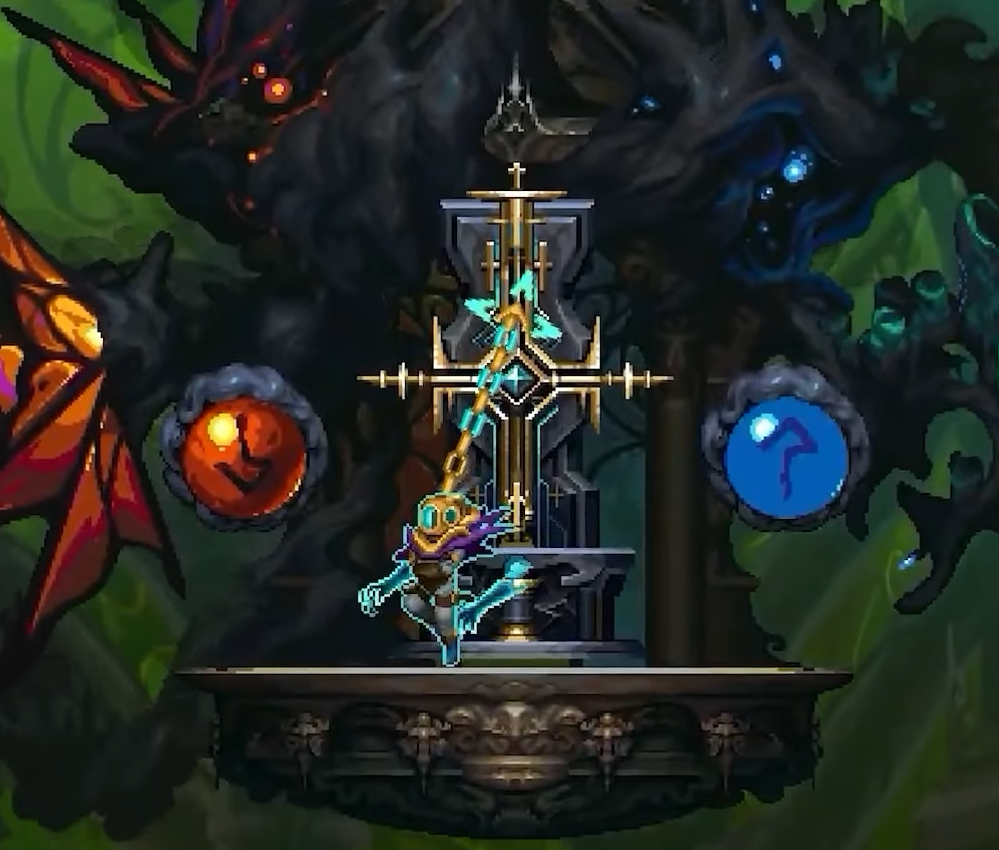
Dive into a world where gorgeous, handcrafted pixel art meets a nightmare that warps reality itself. As a rare lucid dreamer, you are the only hope to defy the prophecy of The Word and consume the spirits of the corrupted to save what remains of a dying kingdom.
What’s waiting for you in the Playtest?
The Beginning of the Nightmare: Play through the game’s intro and explore multiple hauntingly beautiful locations.
Master Your Arsenal:Experiment with a redesigned combat system featuring stamina mechanics and both light/heavy weapon archetypes (like the Exalted Axe and Cleaver).
Face the Corruption: Challenge two epic bosses and a variety of regular enemies, including the swarm-heavy “Ghosts.”
New Movement Abilities: Test out the new Slide move, ledge-clinging, and improved platforming responsiveness.
How to Join:
Head over to the Being and Becoming Steam page.
Look for the “Join the Being and Becoming Playtest” banner.
Click “Request Access” and dive into the Collective Dream!
Release Window Update: We are also thrilled to announce that the full journey begins in 2026!
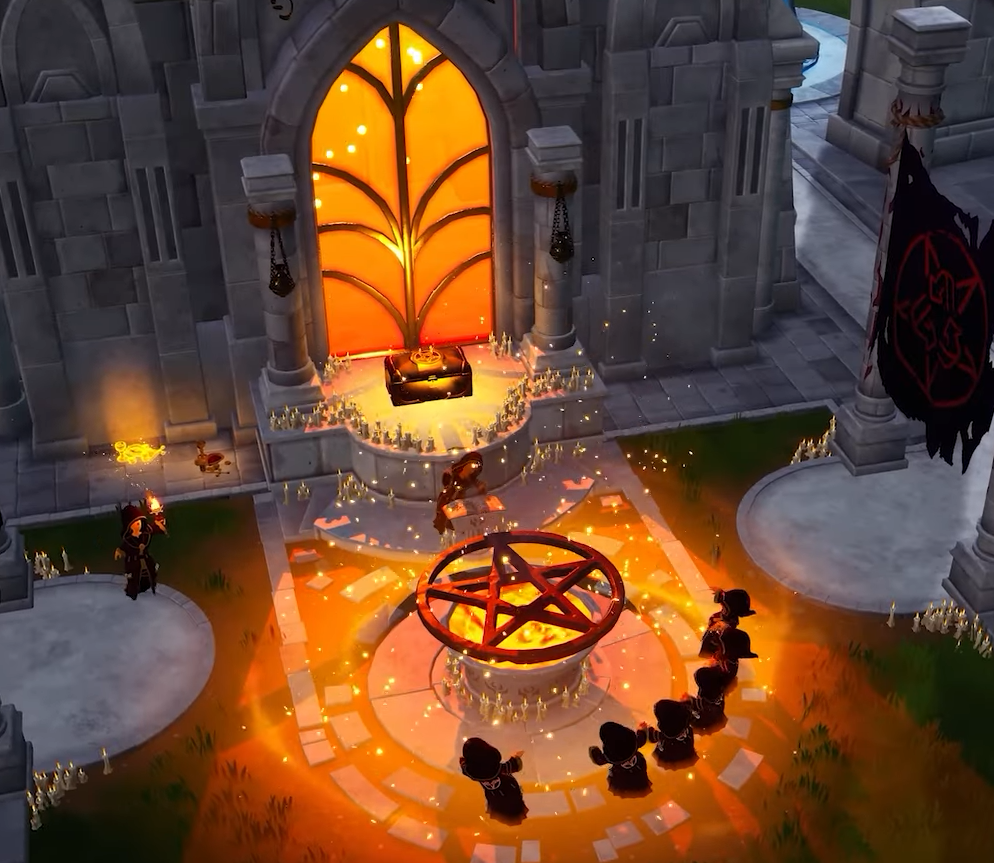
Don’t let the beauty of the forest or the grandeur of the cathedral lull your vigilance—the deeper you descend, the more treacherous it becomes.
Play the Playtest & Wishlist on Steam: https://s.team/a/1917990
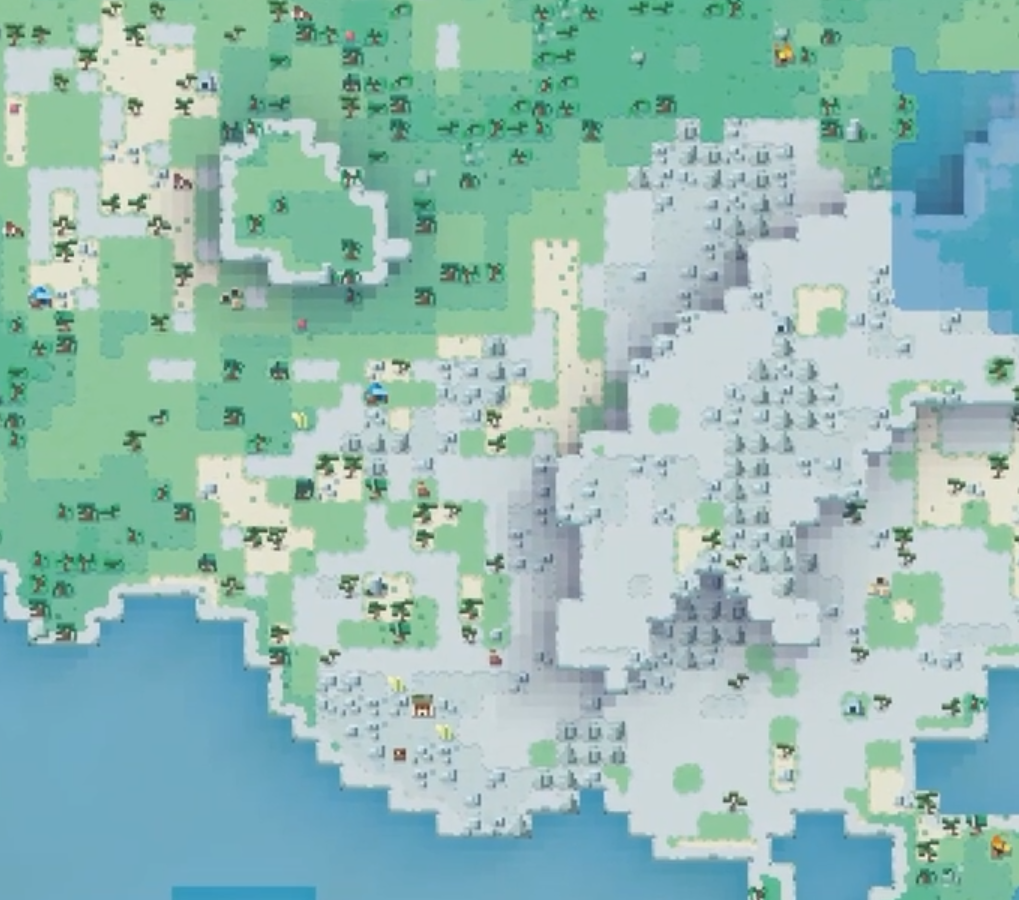
Getting ready to explore the unknown? The Distant Islesplaytest for Worldform is officially here, and it’s time to see what kind of world-builder you really are.
Whether you’re a seasoned strategist or a newcomer to the Worldform universe, this is your chance to shape the game’s evolution.
What to Expect in the Playtest
Uncharted Territory: Explore unique island mechanics and resource management.
Shape the Meta: Your feedback directly influences balance and future features.
Community First: Join a dedicated group of testers to share strategies and discoveries.
How to Join
Sign Up: Head to the official Worldform portal.
Download: Grab the playtest build.
Report: Use the in-game feedback tool or join our Discord to let the devs know what you think!
“The best worlds aren’t just built; they’re discovered through trial, error, and community.”
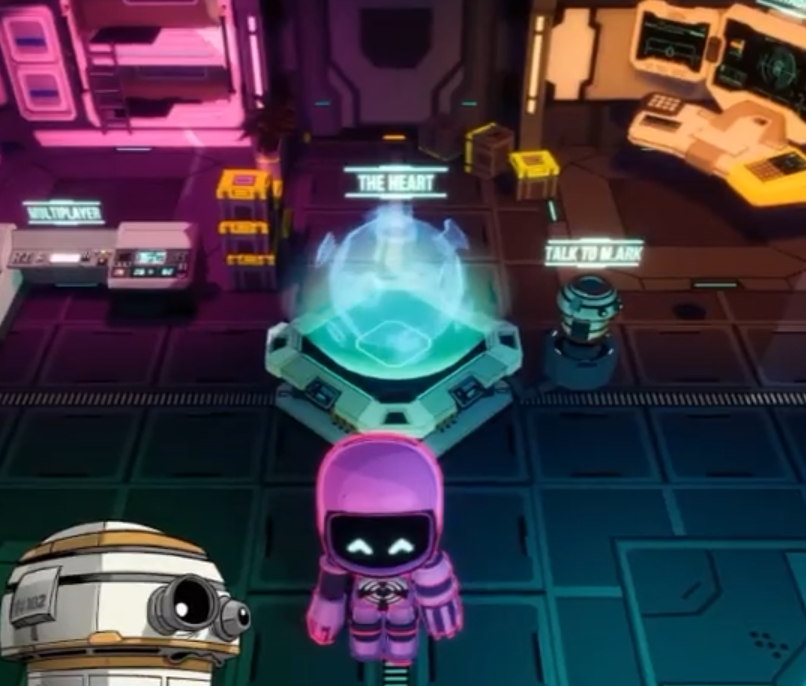
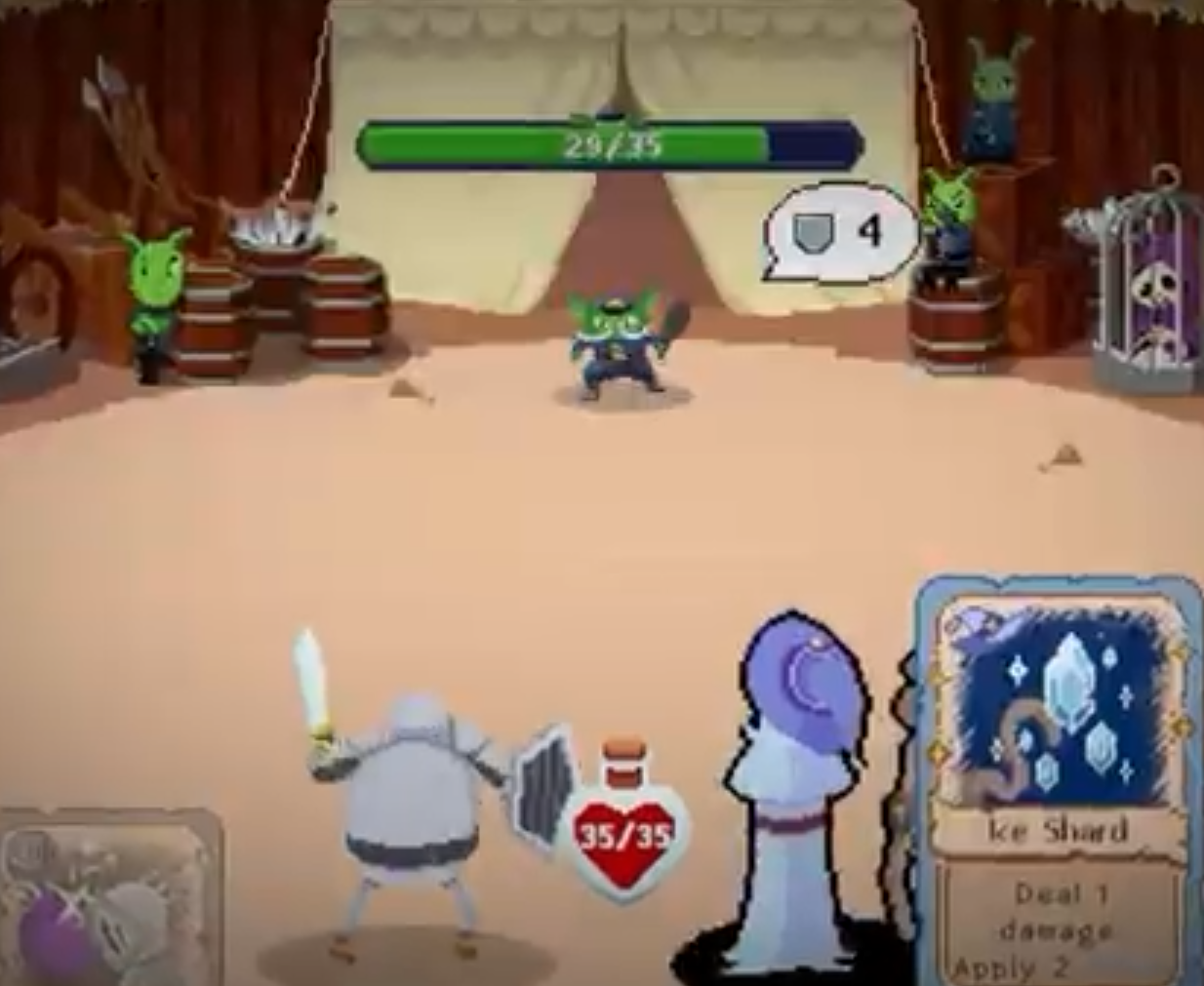
The world of Duo Quest is officially opening its gates for the upcoming Playtest, and the game’s developers want YOU (and your favourite Player 2) to help them shape the journey.
The Mission: Test the game
The Perk: Get a first look at the world and leave your mark on development.
The Catch: Slots are limited!
Don’t go alone! Tag your partner-in-crime and grab your spot before they’re gone.
Sign up here: https://1plus1gamestudios.com/duo-quest-digital-game/
The universe of survival games is about to get a whole lot more explosive. Get ready to have your engineering skills—and your thirst for destruction—put to the ultimate test with Astromine, a co-op survival game that promises a fully destructible voxel solar system. Developed by Alientrap, this isn’t just another crafting-and-surviving experience; it’s a cosmic faction war where every piece of the environment is yours to exploit or obliterate.
What is Astromine All About?
Astromine throws you into a vast, procedurally generated solar system as a robot engaged in a brutal war for control. Your mission is simple, yet daunting: scavenge, build, and fight your way across alien worlds to conquer the system.
Forget non-interactive terrain. In Astromine, everything is made of voxels and adheres to real physics.
Scavenge and Mine: Need resources? Tunnel straight through a mountain. Want to reach a core deposit? Collapse the entire crust. The ability to completely destroy and reshape the environment is not just a feature; it’s the core mechanic of resource gathering and survival.
True Physics Survival: This is where Astromine truly stands out. Weak foundations will crumble, fire will spread realistically, and the structural integrity of your base is a constant factor. Survival isn’t just about managing meters; it’s about smart, realistic engineering.
Robot vs. Robot Warfare: You’ll be going up against rival robot factions that have fortified bases across the planets. Combat is strategic and destructive. You don’t just “take over” a base—you literally have to breach walls, disable power sources, and tear the entire structure down piece by piece.
Build, Expand, and Defend
The materials you gather aren’t just for rudimentary tools. Astromine pushes the building aspect to the extreme:
Custom Structures: From simple shelters to massive, fortified orbital fortresses, you can construct detailed bases, knowing that every voxel you place has a physical presence and structural weight.
Design Your Spaceships: Building extends to interstellar travel! You can construct and customize your own spaceships, which you will then pilot between planets to expand your territory and engage in orbital battles.
Co-Op Chaos and Conquest
While the solar system is your sandbox, you don’t have to face the rival factions and alien creatures alone. Astromine is designed for co-op play, allowing you and your friends to team up to pool resources, divide labor, and coordinate massive assaults on enemy outposts. Whether you’re building a massive starship together or simultaneously tunneling under an enemy base, teamwork is key to conquering the stars.
The Bottom Line
Astromine promises a refreshing take on the survival-sandbox genre by putting physics and total destructibility at the forefront. If you’re looking for a game that rewards clever engineering, offers intense co-op combat, and lets you reshape the very planets you stand on, keep this title on your radar.
Astromine is currently scheduled for an Early Access release in 2026. You can find more information and sign up for playtests on the game’s Steam page.https://shorturl.at/OqPA7
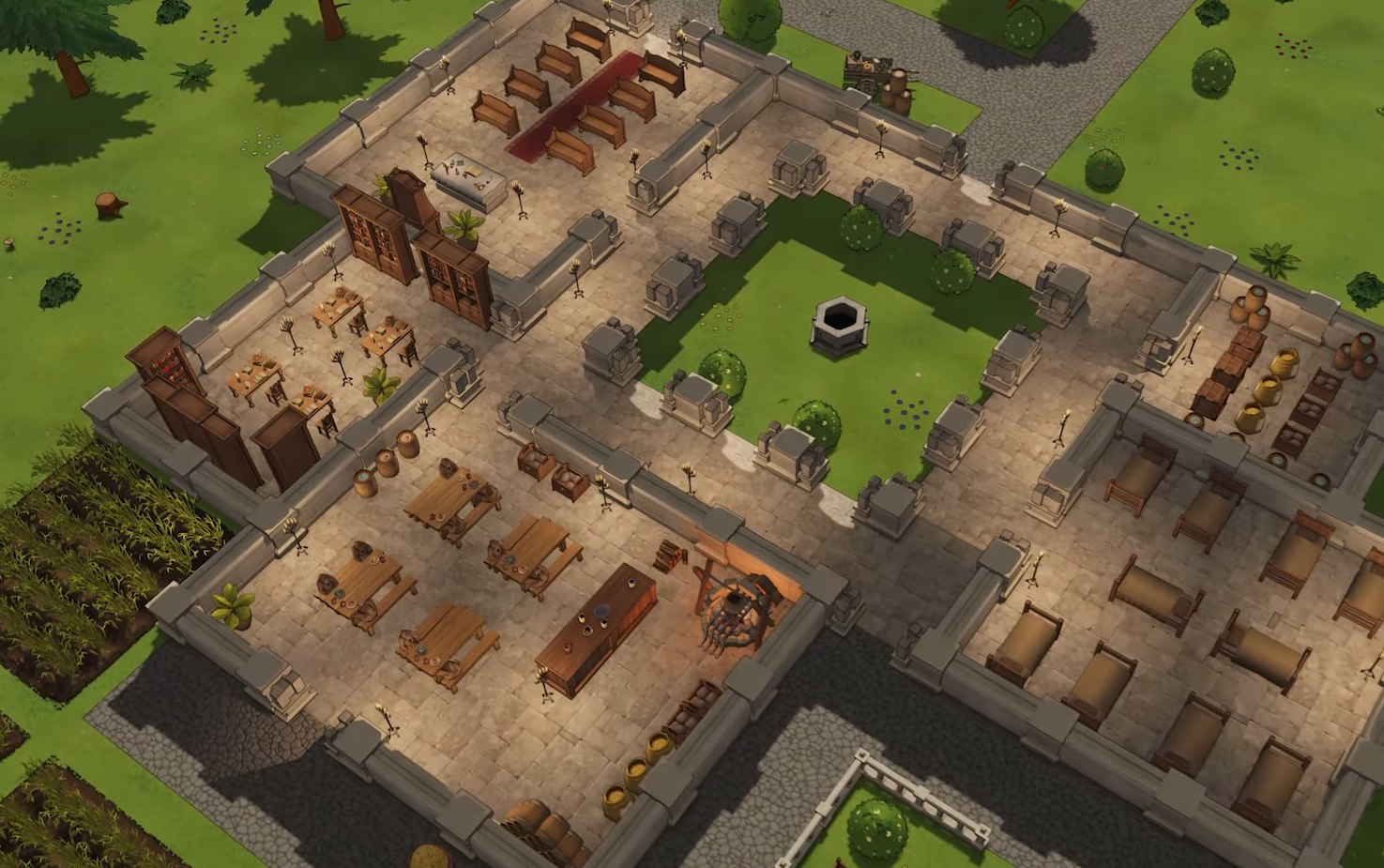
The bell tolls, signaling the start of a new day for your burgeoning monastic community. Welcome to Ora et Labora (Latin for “Pray and Work“), a complex and deeply satisfying board game from the master of heavy worker placement, Uwe Rosenberg.
If you enjoy games where you start with almost nothing and end up with a sprawling, intricate engine of resource conversion, then grab your cowl and a worker meeple—this game is for you!
What is Ora et Labora?
At its heart, Ora et Labora is an engine-building and worker placement game for 1-4 players (though many enthusiasts argue it shines brightest at 3 or 4). Each player takes on the role of the head of a medieval monastery, tasked with acquiring land, constructing vital buildings, and producing prestigious goods to earn the most Victory Points (VPs).
Designer: Uwe Rosenberg (known for Agricola, Le Havre, and A Feast for Odin).
Theme: Medieval monastic life, focusing on building, resource production, and crafting high-value items like books, relics, and ceramics.
The Brilliant Mechanics That Set It Apart
While it shares DNA with Rosenberg’s other “big” games, Ora et Labora introduces a few unique elements that give it a distinctive feel:
1. The Dynamic Resource Rondel
Instead of adding resources to the board piece by piece, the game uses a rondel (a rotating wheel) that dictates the availability of core resources like wood, stone, and clay.
At the start of each round, the rondel rotates one segment.
This rotation instantly adjusts the supply of every basic resource, adding an elegant, global timing mechanism that all players must track. It’s a beautifully smooth way to handle resource generation.
2. The Personal & Shared Landscape
Every player has their own personal game board where they construct buildings. However, unlike some other games where your board is entirely isolated, Ora et Labora features a fascinating layer of player interaction:
Building Your Engine: You use resources to build enterprises on your land, such as a Brewery, a Scriptorum, or a Workshop.
Borrowing Buildings: The key twist is that you can use your opponent’s unoccupied buildings! To do so, you must pay them a fee (usually a coin or a high-value good), and they, in turn, use one of their workers to perform the action for you. This creates a delightful tension, forcing you to monitor what your rivals build and deciding if paying the tariff is worth the powerful action.
3. Spatial Puzzle and Settlements
The placement of your buildings matters! Your monastery grows by acquiring land tiles and clearing out Moors or Forests (which grant a one-time resource bonus).
You need to carefully manage the spatial arrangement on your board, as certain high-scoring Settlements require specific adjacency to other buildings and terrain. This adds a compelling polyomino-like puzzle to the resource conversion chain.
Building Your Path to Victory
The ultimate goal is to convert basic goods (like wood and grain) into prestigious, high-VP items (like Whiskey, Ornaments, or Books). The game is a true sandbox, offering multiple paths to victory:
The Brewhouse Route: Focus on converting grain into malt, then ale, and finally high-scoring whiskey.
The Manuscript Route: Prioritize wood and parchment to produce manuscripts and books in the Scriptorium.
The Real Estate Magnate: Invest heavily in acquiring land and building large settlements and monuments for substantial end-game points.
With two different variants included in the box (France and Ireland), which use different sets of building cards, the game offers excellent long-term replayability, inviting you to explore new synergistic building combos every time you play.
Final Verdict
Ora et Labora is a dense, brain-burning, and incredibly rewarding experience. It successfully blends resource management with worker placement and a spatial puzzle, all wrapped in the peaceful (if economically cutthroat) theme of a medieval monastery.
While the sheer number of conversion chains and buildings can feel overwhelming during your first play, sticking with it will reveal an elegant design and a vast decision space that keeps you coming back for more. It stands tall as one of Uwe Rosenberg’s finest achievements.
Time to put your hands to work and your mind to the prayer of point maximization!
Monastery: Ora et Labora – https://www.dragonkinstudios.com
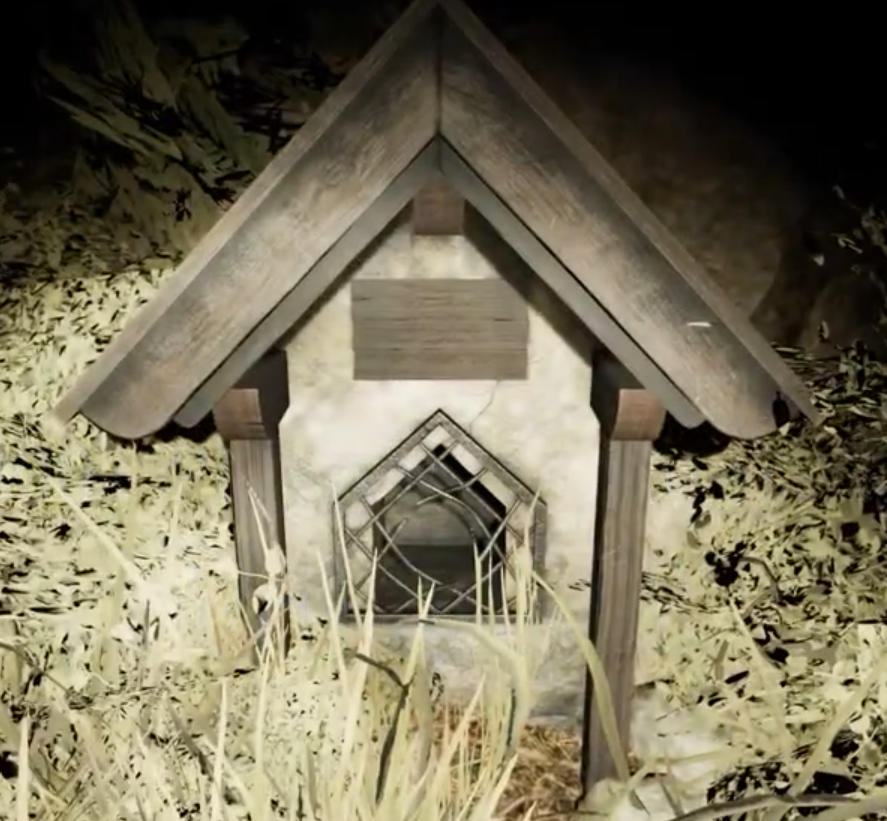
The water is still, dark, and promises secrets—and not the pleasant kind. Drowned Lake, developed by Monumental Collab and published by Critical Reflex, is emerging from the depths as one of the most intriguing upcoming horror games, blending survival mechanics, deep narrative, and unique Brazilian folklore.
If you enjoy games like Dredge or Darkwood but crave a more unsettling, documentarian horror experience, then it’s time to cast your line into the waters of Drowned Lake.
What is Drowned Lake?
Set in the coastal forests of Brazil, Drowned Lake is a fishing survival horror game with an emphasis on investigation and narrative. The central mystery revolves around the disappearance of an amateur documentarian named Bento. His vanishing acts as the catalyst, drawing three strangers to the sinister location:
Carolina: The intrepid reporter.
Rafael: The first responder (firefighter).
Leonardo: The old fisherman.
You play as these three individuals, with the story unfolding in a non-linear fashion from their distinct perspectives. Each character brings their own secrets, motivations, and desires to the lake, which is haunted by a dark presence and the whisper of a mysterious entity known as “Our Lady.”
A New Breed of Horror: Folklore and Atmosphere
What truly sets Drowned Lake apart is its deep well of inspiration: Brazilian folklore, religious syncretism, and social discontent.
Instead of relying on common horror tropes, Monumental Collab—a small collective spread throughout Brazil—weaves local myths and cryptic creatures into the game’s fabric. This creates an atmosphere that is not just scary, but genuinely unfamiliar and oppressive.
The Setting: The game takes place in an isolated, dark environment where safety is a dream. Every abandoned wreck and quiet stream is pervaded by a sense of dread.
Documented Horror: The game employs a unique blend of perspectives, shifting between first-person for up-close investigation and puzzles, and a more distant, almost isometric view for exploration and fishing. This dual perspective reinforces the “documentary found footage” style of the horror.
Fishing with Consequences
The core survival loop revolves around fishing, but here it’s far more than a relaxing mini-game. You are literally fishing for evidence and crucial resources needed to survive and solve the mystery.
However, the lake is a living, malevolent entity. You never know what your hook might snag: a piece of salvation, or something that awakens the horrors below. Making “Noise” is explicitly dangerous and can summon the dark presences that lurk in the depths. You have to balance the desperate need for resources with the ever-present threat of being caught yourself.
Latest News: The Playtest is Live!
The excitement for Drowned Lake is building, and the developers recently released a significant update:
Public Playtest: The game is currently in a public playtest phase on Steam (published by CRITICAL REFLEX’s horror label, CR Channel). This is a fantastic opportunity for players to get an early look at the core mechanics and atmosphere.
Feedback Focus: The playtest is designed to gather feedback on the movement, resource management, and overall pacing of the unique fishing/investigation blend.
Drowned Lake promises a unique experience that combines the tension of survival horror with the methodical process of investigation, all wrapped in a rich and rarely explored cultural tapestry. It’s a game that demands you dive deep, but be warned: the deeper you go, the darker the secrets you’ll find.
The world of simulation games is about to get a whole lot more morally grey. If you’ve ever imagined the high-stakes life of a customs officer, get ready to experience it firsthand—and decide if you’re going to be a hero, a villain, or a little bit of both.
The buzz is real: DRAGO entertainment has just announced the playtest for their upcoming title, Airport Contraband, and we’re ready to pack our bags and report for duty!
What is Airport Contraband?
This isn’t your average simulation game. Airport Contraband is described as a roguelike-simulation experience that puts you in the uniform of a customs officer at the tropical, yet chaotic, Caldora Airport.
Your core mission is to maintain order: inspecting documents, questioning passengers, scanning luggage, and sniffing out illegal goods—from drugs and weapons to counterfeit documents.
The Moral Dilemma: Law vs. Loot
Here’s where the game truly sets itself apart. While you can be the upstanding officer who enforces every rule, the game heavily leans into a compelling moral choice:
Uphold the Law: Follow official security procedures, make correct seizures, and earn the trust that comes with a clean record.
Bend the Rules: Turn a blind eye to smugglers, accept cash bribes, or even actively cooperate with the local cartel to move contraband. Quick cash is tempting, but it comes with immense risk.
Every shift is a fresh test of your instincts, and every choice builds the experience, tools, and reputation for your next officer in this roguelike structure. Do you sacrifice your ethics for a financial gain that could buy you better equipment or an easier future shift?
Key Features We’re Excited to Test
The playtest promises a chance to get hands-on with some exciting mechanics:
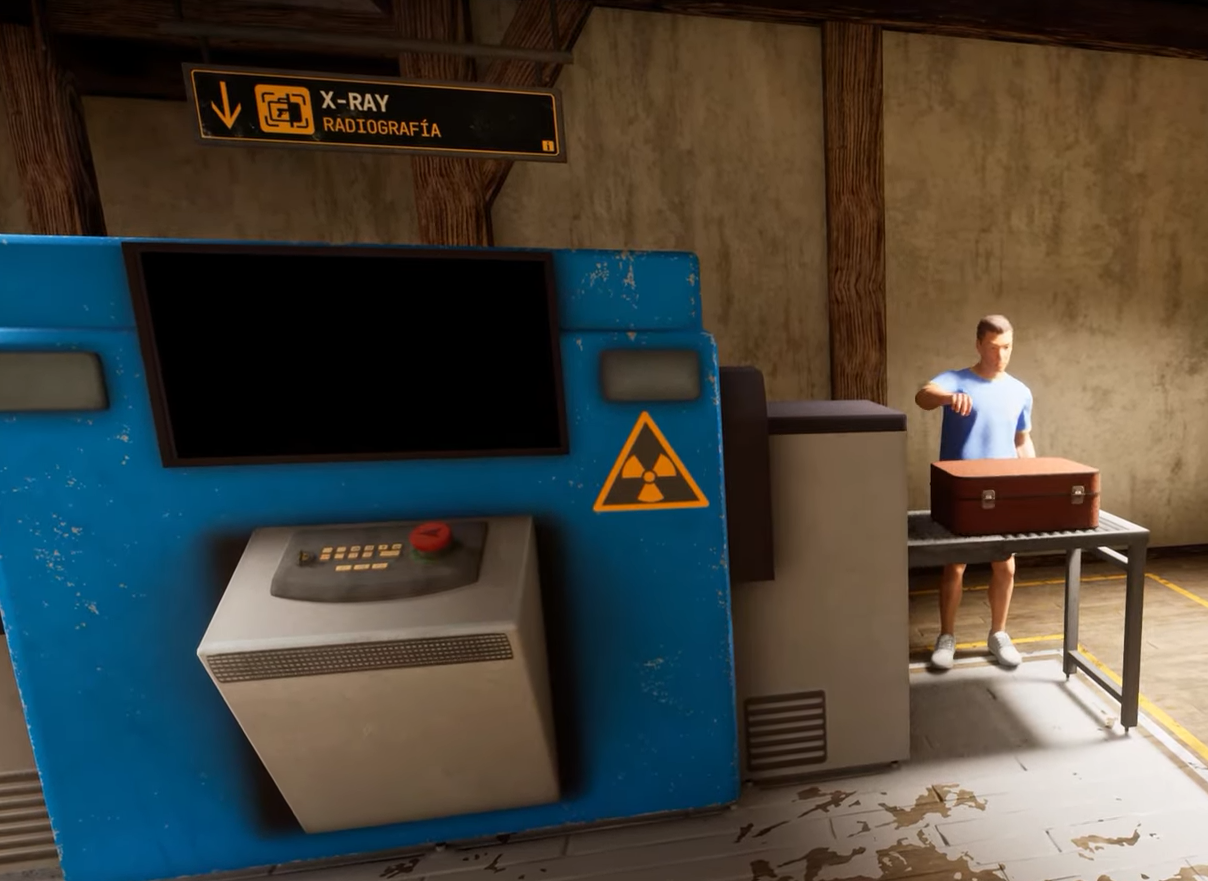
Detailed Inspection: Utilize X-ray scanners, chemical tests, and a variety of tools (knives, UV lamps, hammers) to uncover contraband hidden in false compartments, double-bottomed suitcases, and other cunning places.
Passenger Interrogation: You’ll need to rely on your people skills and gut feeling. Suspects won’t always cooperate, and you might need your taser and handcuffs to maintain order.
Beyond the Gate: Inspections aren’t limited to passengers. You’ll also be checking pilots’ documents and inspecting aircraft cargo—contraband can slip in through the most surprising places.
Roguelike Progression: Success and failure carry weight. Rewards, upgrades, and experience gained will shape the starting point of your next officer, making every playthrough unique.
How to Join the Playtest
If the thought of a life balancing duty and temptation sounds like your kind of simulation, you’ll want to get in on the playtest, which is planned for January 2026 on Steam.
The developers, DRAGO entertainment, are encouraging players to get involved early, share their suggestions, and help shape the final game.
To sign up, simply head over to the official Airport Contraband Steam page and click the green button to request access!
The Verdict So Far
Airport Contraband looks set to be much more than a simple sim. By blending the detailed procedures of a customs officer game with the high-stakes, consequence-driven nature of a roguelike, it promises a uniquely addictive gameplay loop.
Will you be the airport hero, or will you build your fortune on the backs of smugglers? January can’t come soon enough!
Are you signing up for the Airport Contraband Playtest? What’s the first illegal item you’re going to try and confiscate (or let through)? Let us know in the comments below!
The dungeon-crawling community is buzzing! Solo Developer Milo Panta and Human Qube have officially opened the sign-ups for the first public Steam Playtest of Lootbane, an addictive roguelite RPG that puts the thrill of the gamble at the heart of every decision.
If you’re a fan of the loot chase in Diablo, the tactical party-building of Darkest Dungeon, and the compelling, repeatable loops of Loop Hero, then it’s time to head to Steam and request access to a game that promises to scratch that insatiable itch for power.
What is Lootbane?
Lootbane is a challenging, loot-driven auto-battler where loot is power, and risk is everything. You start by choosing a hero and then embark on an unpredictable journey across shifting regions. The core of the gameplay isn’t about button-mashing, but about smart planning and daring choices as you build your ultimate warband.
Key Features You’ll See in the Playtest:
Warband Building & Synergies: Recruit a band of followers, each with stacking passive auras and active abilities. The fun is in experimenting and finding explosive combinations to break the system.
Risk-Reward Dungeons: Dive into dangerous dungeons where every floor you descend multiplies the gold and the potential for rare loot—but also the danger. The central question is always: Do you cash out your haul and return to the city, or push deeper for legendary treasure?
Unidentified Loot: Gear remains a mystery until you survive the run and identify it, turning every successful extraction into a moment of true suspense.
Dynamic Regions: The playtest showcases the first Forest Lands region, which ensures every single run unfolds differently with randomized paths, merchants, healing shrines, and of course, perilous dungeons.
Fortune Favors the Brave
The magic of Lootbane lies in its simple rules and endless choices. It’s a game that respects your time with its repeatable, bite-sized runs, but punishes greed with the loss of your un-banked gear.
The moment-to-moment gameplay has been described as a successful blend of high-level strategy and satisfying buildcrafting. You’re constantly tuning your roster, managing your resources, and making critical pathing choices: when to heal, when to shop, and when to challenge fate by descending one more floor. The power spike from a well-put-together synergy is your reward for daring to push the limit.
Join the Community-Driven Development
This first public playtest is a crucial step for solo developer Milo Panta. The goal is clear: gather honest community feedback on balance, pacing, UI clarity, and the overall satisfaction of the core design philosophy.
If you jump in, you’re not just playing a game; you’re helping to shape it! Players are strongly encouraged to join the official Lootbane Discord to share their impressions, report bugs, and actively contribute to the game’s development.
The community’s early feedback is already proving vital, focusing on areas like clearer stat explanations, quality-of-life improvements for inventory, and overall difficulty scaling—all essential steps for honing this addictive experience.
How to Join the Playtest
When: The playtest runs from November 27th to December 4th, 2025 (a full week!).
Where: Head over to the official Lootbane Steam Page and click the “Request Access” button.
Don’t miss your chance to be one of the first to build a legendary warband… or lose it all to your insatiable greed.
Are you planning to dive into the Lootbane playtest? What kind of wild warband synergy are you hoping to create? Let me know in the comments!
Lootbane – Official Playtest – https://suprender.com/
If you’ve been blasting through the hellish, secret-laden levels of GRAVELORD, the retro “boomer shooter” from Fatbot Games, you already know the intoxicating mix of fast-paced action and intricate level design it offers. But what if you could put your own stamp on the world of Queedo the Gravedigger?
Well, now you can! The GRAVELORD Level Editor is officially live, inviting players to go from being a slayer of darkness to a creator of it. This isn’t just a simple map maker—it’s the very same TrenchBroom-inspired tool that the developers and veteran Quake mappers used to build the game’s official episodes.
Why the GRAVELORD Editor is a Game-Changer
Inspired by classic FPS mapping tools, the GRAVELORD editor manages to be both powerful for veterans and approachable for newcomers. The team at Fatbot Games has prioritized a rapid, creative, block-based workflow, making the journey from a simple idea to a fully realized, functional level surprisingly swift.
TrenchBroom-Inspired Workflow: If you have experience with older FPS editors like those for Quake, you’ll feel right at home. The block-based geometry tools are intuitive and built for speed, allowing you to rapidly sculpt your level’s structure.
“Hotspotting” for Quick Art: One of the editor’s unique features is “hotspotting” functionality. This genius feature allows for quick texturing and detailing, turning your basic blockouts into atmospheric, arted spaces without getting bogged down in tedious asset placement.
Spectral Surface & Breakable Integration: Level design in GRAVELORD relies heavily on the Spectral Shovel dash and traversal. The editor lets you easily implement GRAVELORD’s unique mechanics, like creating spectral surfaces for movement shortcuts or setting up breakables to create dynamic combat and platforming scenarios.
Scripting Freedom: Want a monster closet that only opens after a specific puzzle is solved? Need a complicated puzzle sequence? The built-in Scriptbox allows for scripting levels to your exact specifications, from simple triggers to complex, overarching mechanics.
Join the Community & Start Creating
The best part of an accessible level editor is the community content it fosters. Fatbot Games has fully integrated the editor with the Steam Workshop.
This means sharing your creations is effortless, and exploring new community-made levels and even entire custom episodes is just a click away. The editor ensures a quick and seamless transition between the editing view and an instant playtest within the game, so you can rapidly iterate on your design.
To celebrate the launch and encourage new talent, Fatbot Games has even hosted Map Jams with cash prizes—a fantastic incentive for both seasoned designers and those dipping their toes into level creation for the first time.
If you love the challenging, secret-filled level design of classic ’90s shooters, the GRAVELORD Level Editor is your chance to stop just playing the game and start making the game. Grab your virtual shovel and start digging your way to level design glory!
Ready to Build?
The GRAVELORD Level Editor is included with the game’s Early Access version on Steam. Will you create a punishing death trap or a beautifully intricate, secret-filled labyrinth?
In a gaming landscape crowded with fast-paced, reflex-driven shooters, a new contender has just rolled onto the scene with a refreshing, strategic focus. Developer Stoke Games, founded by veterans from hit titles like Valorant and StarCraft 2, has officially unveiled Tyr, an upcoming free-to-play, team-based tank shooter that promises to prioritise your brain over your trigger finger.
This isn’t your average twitch-shooter. Tyr is positioning itself as a game where strategy beats twitch reflexes, and the core mechanics back that up in fascinating ways.
What Makes Tyr Different?
Tyr is an 8v8 vehicular combat game that blends the hero-shooter model with a heavy dose of tactical gameplay. Here are the key features that set it apart:
The Roster of Armoured Titans
Forget generic tanks. Tyr introduces a roster of specialised armoured vehicles—from heavy-treaded behemoths to agile hovercraft—each piloted by a unique character with distinct powers.
Unique Vehicle Powers: Each vehicle boasts a powerful, unique ability. Imagine a tank that can blink (teleport) short distances, another that deploys a sonar pulse to reveal enemy positions, or one that can overcharge its engine for a devastating ramming attack. This makes team composition and coordinated ability use absolutely crucial.
Deep Customisation: Every vehicle has its own tech tree and customisation slots for ammo and components. This means you can truly tailor your ride and its unique keystone technology to your preferred playstyle and the needs of your team.
The ‘Play for Vision’ System
The most unique and exciting mechanic is the spotting system. In Tyr, you and your opponents are only visible when within a certain range or while making enough noise.
This fundamentally alters how you approach the battlefield:
The Element of Surprise: Firing your main cannon or aggressively boosting forward will reveal your position to the enemy team. Deciding when to push and when to fire from cover is a constant, high-stakes trade-off.
Teamwork is Key: Successful teams will be those that effectively use their vision-granting abilities (like sonar) to create openings for their damage dealers, allowing for calculated pushes rather than chaotic brawls.
The Road Ahead
Stoke Games has been quietly running private playtests for two years, and the official announcement trailer serves as an open invitation to a wider audience. If the promise of a strategic, teamwork-focused vehicular shooter appeals to you, now is the perfect time to get involved.
The developers are actively looking to expand their closed playtest community, giving players a direct role in shaping the game before its launch on Steam.
Are you ready to swap rapid-fire for tactical mastery?Tyr is shaping up to be a powerful and thoughtful addition to the multiplayer shooter genre. Keep your comms open and your armour patched—this is one battle you don’t want to miss.
Hey there, survivalists and indie game aficionados!
We’ve just had a chance to dive into the closed playtest for Swarm Me, and if you thought all “horde survival” games were about blasting your way out, think again. This game flips the script on the genre, delivering a high-stakes, minimalist arcade experience where the greatest weapon you possess is your footwork and your mind.
The Core Concept: Outwit the Swarm
Swarm Me is a brilliant exercise in controlled panic. The premise is deceptively simple: you are trapped in a minimalist arena, and you are relentlessly hunted by an ever-growing, ever-faster swarm of drones.
The Twist? You have no weapon to shoot back.
That’s right. Your primary goal is not to kill, but to survive. This one single rule immediately forces a paradigm shift for anyone used to bullet-hell or twin-stick shooters. Instead of focusing on your damage per second (DPS), you are entirely focused on your movement, positioning, and crowd control.
The Art of Kiting and Trapping
So, how do you beat a swarm if you can’t shoot? The game provides the tools for tactical evasion and strategic elimination.
Kite the Horde: The action is a masterclass in kiting. You must constantly run, weave, and bait the drones. Every inch of movement is vital, forcing you to think several seconds ahead about where the swarm will be, not just where it is now. It’s a dance of life and death, rewarding high-skill, precise movement.
Baiting Traps: Your survival relies on the deadly contraptions scattered or deployed across the arena. You need to lure the massive drone blob into the kill zone of a Fire Wall, a crackling Electric Fence, or the focused beam of a Laser Turret. Successfully obliterating a huge chunk of the pursuing enemy is one of the most satisfying moments the game offers.
Upgrade Your Defences: Between waves or during brief moments of respite, you can strategically invest in permanent and temporary defences. Choosing the right upgrade path—whether it’s boosting a specific trap’s effectiveness or improving your personal speed and defence—is crucial for long-term survival.
The Playtest Experience: Pure Adrenaline
The beauty of the Swarm Me playtest is how quickly it ramps up the intensity. The early minutes are deceptively calm, allowing you to learn the movement and the trap placements. But as the clock ticks, the titular swarm becomes denser, faster, and truly overwhelming.
The Stress: Managing a huge blob of enemies and constantly calculating the best escape route is a constant source of stress, but the good kind—the adrenaline-fueled, high-focus kind.
The Flow: When you hit that sweet spot—weaving through a narrow gap, dropping a powerful defence, and watching the drones follow you right into the grinder—the game enters a true flow state. It’s less about button-mashing and more about pure spatial awareness.
Minimalist Aesthetic: The game’s clean, minimalist visual style is perfectly suited to the gameplay, ensuring that even in the most chaotic moments, you can clearly see the drones, your player, and the active trap zones.
Ready to Join the Swarm?
Swarm Me is an exciting breath of fresh air in the crowded survival arena genre. By stripping away offensive weapons, it distils the experience down to its most challenging and rewarding elements: skill, strategy, and pure chaos.
If you’re tired of the same old shooters and are looking for a game that will genuinely test your reflexes and strategic thinking, keep a close eye on Swarm Me. This playtest shows a game with immense potential and a high ceiling for competitive, leaderboard-chasing fun.
Have you managed to request access to the playtest? What are your go-to trap strategies? Let us know in the comments below!
The digital arena is buzzing, and it’s all thanks to the recent playtest for Morbid Metal, the upcoming hack ‘n’ slash action roguelite from developer SCREEN JUICE and publisher Ubisoft. After tearing through the demo myself, I can confidently say this game is an absolute rush of high-octane, cyberpunk-infused combat!
If you missed the hype, Morbid Metal is a fast-paced action game where the core mechanic revolves around real-time shapeshifting between multiple unique characters. You’re not just switching weapons; you’re fundamentally changing your combat style, and chaining these transformations is the key to mastering the brutal, semi-procedurally generated levels.
Here’s a breakdown of what makes this playtest a must-try experience.
1. Combat That Sings: The Shapeshifting Synergy
The immediate takeaway from the demo is the sheer fluidity and style of the combat. It’s a blend that feels inspired by games like Devil May Cry or Bayonetta, all wrapped up in a dark, neon-soaked future.
The playtest gave us access to two characters, each a polar opposite:
Flux: The nimble, razor-fast katana wielder. Perfect for quick strikes, air combos, and evasion.
Ekku: The heavy-hitter, slow but devastating. His powerful glaive strikes land with a satisfying thud and is great for breaking shields.
The magic happens when you realise you can swap characters mid-combo. Starting an air juggle with Flux and instantly switching to Ekku for a massive slam attack is incredibly satisfying. It transforms every encounter into a high-speed, choreographed dance of destruction. The combat is genuinely addictive, forcing you to think strategically about synergy, not just button-mashing.
2. A Solid Roguelite Foundation
Beyond the flashy combat, Morbid Metal plants itself firmly in the roguelite genre. The loop is immediately recognisable:
Clear rooms and waves of enemies.
Collect upgrade cards to enhance your characters, boosting damage, abilities, or even adding new mechanical quirks.
Die, and it’s all gone.
However, the game adds a brilliant layer of complexity with the upgrades. Since you’re building out two characters at once (and eventually up to four in the full game), you’re constantly looking for upgrades that not only benefit the individual but also synergise with the other members of your squad. Do you go all-in on Flux’s speed, or balance it with Ekku’s raw power?
The addition of the high-risk, high-reward “Deal with the Devil” statues further spices up the run, offering massive buffs paired with equally crippling debuffs.
3. Style and Atmosphere
Visually, Morbid Metal nails its cyberpunk aesthetic. The environments are a stunning mix of futuristic tech and atmospheric decay. The character designs—sleek, expressive robotic warriors—are a feast for the eyes.
It’s a game that doesn’t rely on deep, verbose lore (at least in this slice), and that’s okay. Morbid Metal is all about the spectacle, handing you a ridiculously stylish sword and saying, “Be cool. Don’t die.”
Early Impressions: A Recipe for Success
The Morbid Metal playtest is more than just a promising demo; it’s a confident proof-of-concept for a deeply engaging action system. While minor things like camera behaviour and combat readability could see polish, the foundation is rock-solid.
If you’re a fan of stylish action games, high-speed combat, or a roguelite loop that keeps you coming back for “just one more run,” you absolutely need to have Morbid Metal on your radar.
Morbid Metal is slated to launch into Early Access soon. Get ready to shapeshift, slaughter, and try to survive just one more time.