Get ready to bring some “kawaii” to the battlefield! Overwatch has officially announced its most adorable collaboration yet: Hello Kitty & Friends.
Launching on February 10, 2026, as part of the massive “Reign of Talon” soft-reboot (where the game drops the “2” from its title), this crossover brings six iconic Sanrio characters to the hero-shooter lineup.
The Sanrio Skin Lineup
Juno – Hello Kitty: The space-faring newcomer gets the titular red bow.
Kiriko – Cinnamoroll: A sweet, sky-blue look for everyone’s favourite protector.
Mercy – Pompompurin: Bringing cosy, golden retriever energy to your team’s healer.
D.Va – My Melody: Pink, bunny-eared, and ready to mech-up.
Lucio – Keroppi: Bringing the hops (and the beats) to the frog-themed hero.
Event Details
Release Date: February 10, 2026.
End Date: February 23, 2026.
Bonus Gear: Expect themed weapon charms, name cards, and unique voice lines to be available in the shop and via event challenges.
Quick Tip: This event launches alongside the “Season 1” reset, which also introduces five new heroes (including the legendary Jetpack Cat!). It’s going to be a busy week for your hard drive.
Find out more here – https://overwatch.blizzard.com/en-gb/
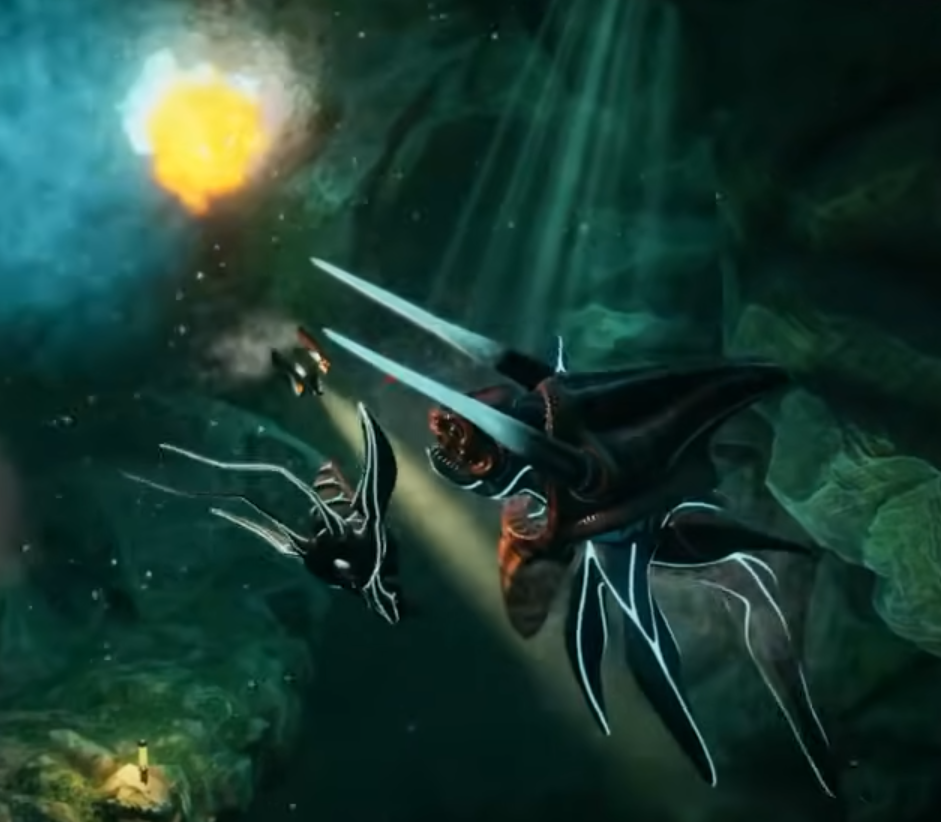
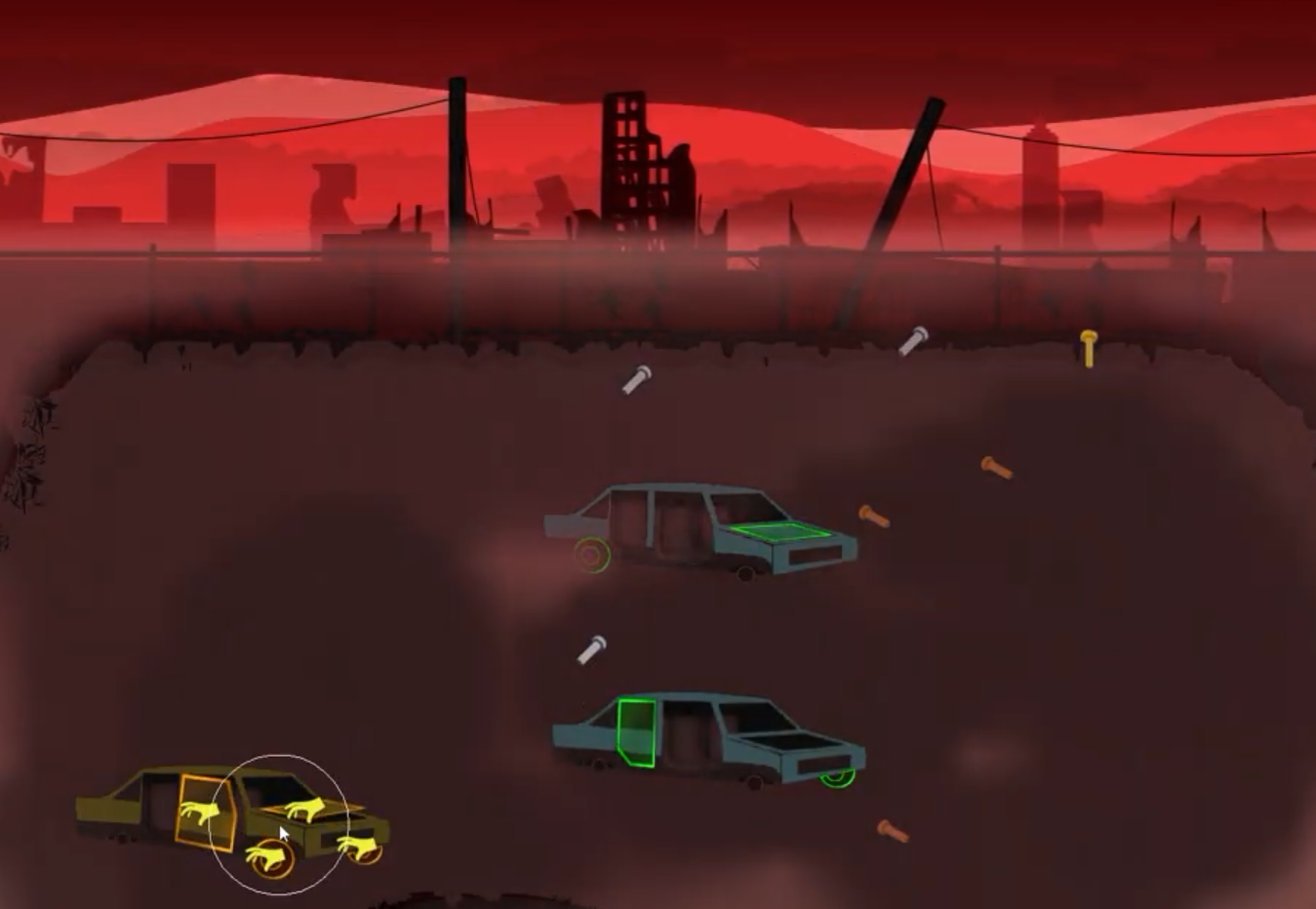
If you’ve been scouring the indie scene for something that feels less like a power fantasy and more like a desperate struggle for existence, you’ve likely stumbled upon Sub-Species.
It’s not just another survival horror title; it’s a claustrophobic masterclass in biological dread. In a world saturated with “zombie-clones,” Sub-Species pivots toward the subterranean, forcing players to confront what happens when humanity is no longer at the top of the food chain.
What Sets It Apart?
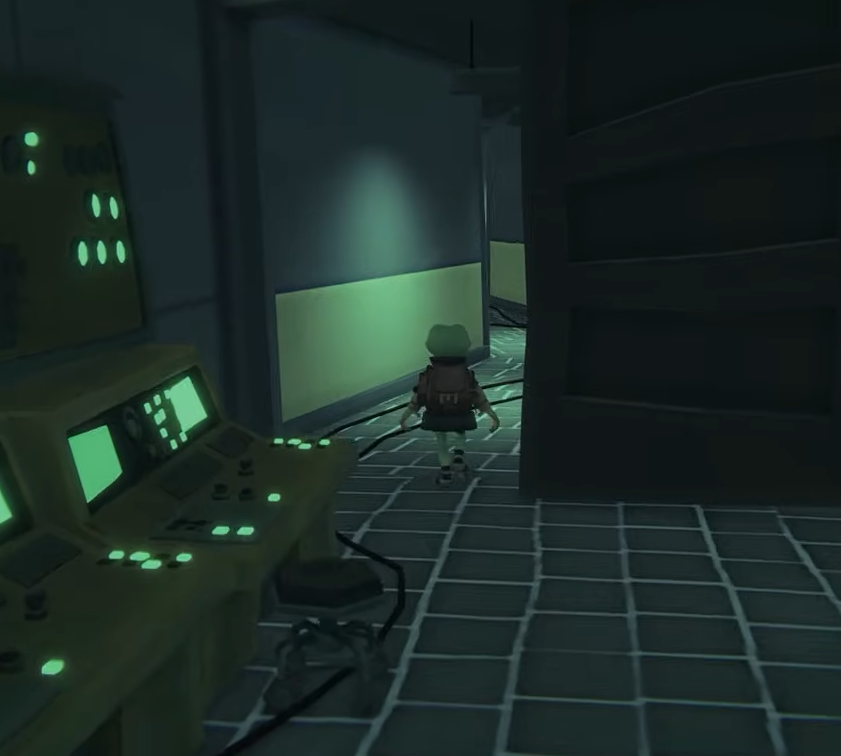
Most survival games give you a tree to chop or a rock to mine within the first thirty seconds. Sub-Species gives you darkness and a heartbeat monitor. Here’s why it’s currently dominating the “creepy-core” conversation:
Adaptive Intelligence: The “Sub-Species” aren’t just NPCs with patrol paths. They use a reactive AI system that learns your hiding spots. If you hide in a locker twice, they’re checking it the third time.
Atmospheric Pressure: Set in the decaying remains of a deep-earth research facility, the sound design is the real star. Every groan of metal and drip of water is designed to make you turn around.
Resource Scarcity: We’re talking actual scarcity. You aren’t crafting assault rifles; you’re lucky if you find a glowstick and a blunt screwdriver.
The Core Loop: Stealth over Strength
In Sub-Species, combat is a failure state. If you’re fighting, you’ve already lost the upper hand. The game rewards:
Observation: Learning the sounds of different mutations.
Patience: Waiting for the perfect window to cross a flooded corridor.
Resource Management:Deciding if that final battery charge is worth seeing what’s in the next room.
“It’s the first game in years that made me hold my actual breath while my character was hiding under a desk. 10/10 would have a heart attack again.” — Early Access Reviewer
Is It Worth the Nightmare?
If you enjoy the tension of Alien: Isolation or the mechanical grit of Amnesia, Sub-Species is your next obsession. It’s punishing, yes, but it treats the player with respect. It doesn’t rely on cheap jump scares; it relies on the creeping realisation that you are being hunted by something much faster than you.
The Verdict: Put on your best headphones, turn off the lights, and prepare to feel very, very small.
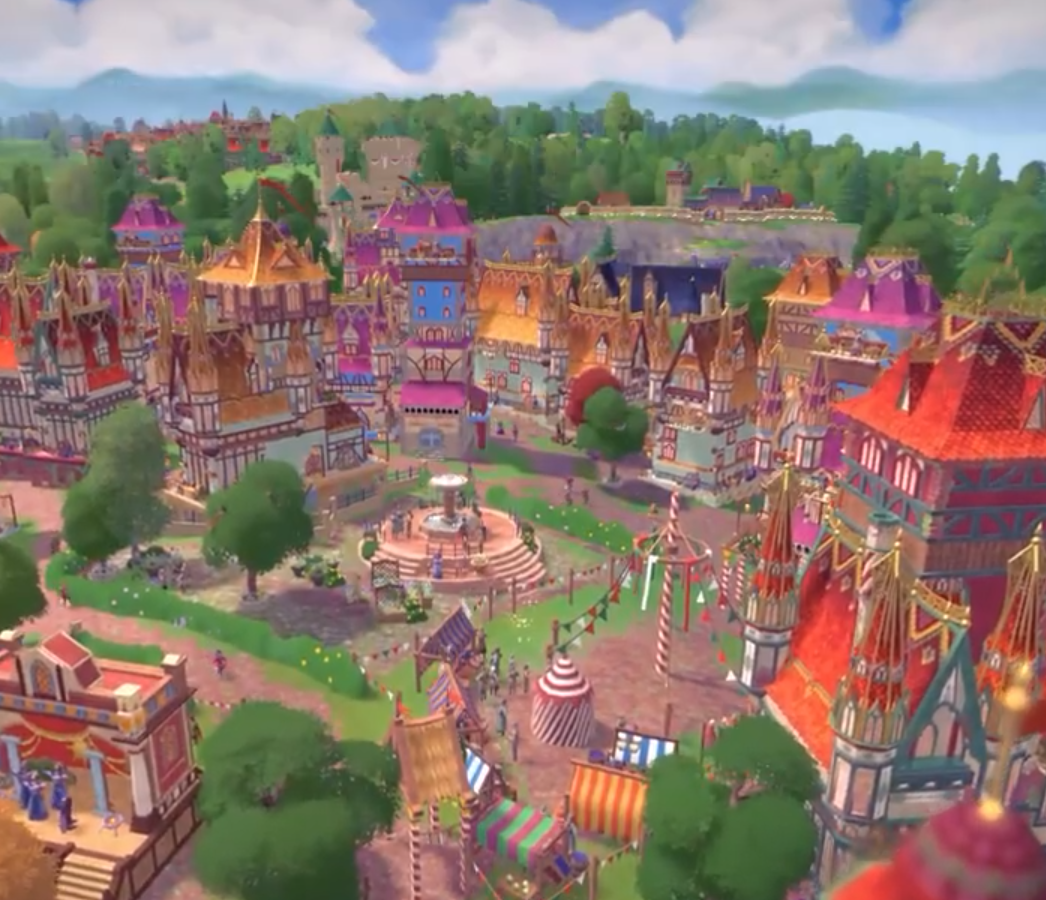
If you’ve ever felt the stress of a typical city builder—where one misplaced fire station leads to a total urban collapse—then City Tales – Medieval Era is the digital exhale you’ve been waiting for.
Fresh out of Early Access as of January 29, 2026, this title from developer Irregular Shapes and publisher Firesquid swaps high-stakes crisis management for what I like to call “Medieval Mindfulness.” It’s less about surviving the winter and more about the joy of watching a village breathe.
What Makes It Different?
While games like Manor Lords or Cities: Skylines rely on rigid grids and frantic micromanagement, City Tales leans into a more organic, painterly approach.
1. Organic District Planning
Forget the grid. In City Tales, you “paint” districts onto the landscape. Once a zone is established, your villagers (those industrious little pixels) decide where to place their own homes within that space. This creates winding, realistic streets that look like actual historical European hamlets rather than a 21st-century suburb.
2. The Companion System
You aren’t just an omnipotent eye in the sky. You have Companions—distinct characters like Mischa or Alberic—who act as your boots on the ground.
Skill Mastery: Assign a companion to a Tavern or a Farm, and they’ll gain experience in that field.
Automation: Once a companion stays at a building long enough, they “train” the staff, and the building becomes autonomous, freeing your companion to start a new project elsewhere.
Narrative Weight: Each companion has their own story arc and side quests, making the growth of your city feel personal.
3. A Focus on Chill
There are no Viking raids. No plagues will wipe out half your workforce. If you step away from your PC for an hour, your economy will likely be exactly where you left it. The challenge comes from strategic optimisation—managing the “influence” of your civic buildings (like churches and pharmacies) to ensure your houses can level up.
Gameplay Snapshot: Tips for New Lieges
If you’re just starting your reign in the region of Mountalba, keep these three things in mind:
Tip
Why It Matters
Think Small First
Smaller districts (5-6 plots) are easier to satisfy with amenities, leading to faster home upgrades.
Overlap Influence
Each district only holds two civic buildings. You’ll need to overlap district influence ranges to get every house the services it needs.
Level Your Companions
Don’t move them too quickly! Let them reach higher levels in a specific discipline to unlock massive production buffs later.
The Verdict
City Tales – Medieval Era is a stunning, low-stress simulation that prioritises aesthetic and atmosphere over “game over” screens. While the mid-to-late game can feel a bit like a “prestige grind” as you wait for resources to pile up, the journey of turning a few muddy tents into a bustling, detailed kingdom is incredibly rewarding.
It’s a game meant to be played with a cup of tea and the volume turned up to catch that melancholic, soothing soundtrack.
Final Thought: If you want to build a kingdom that looks like a storybook illustration and feels like a warm hug, this is the one for you.
Find out more here – https://irregular-shapes.com/
If you’ve ever thought, “I’d love to lead a civilisation, but I wish it felt more like a high-stakes trip to Vegas,” then Spinera is about to become your new obsession. Developed by Arvis Games, the official demo just dropped (January 27, 2026), and it’s a wild mashup of roguelike deckbuilding and civilisation management.
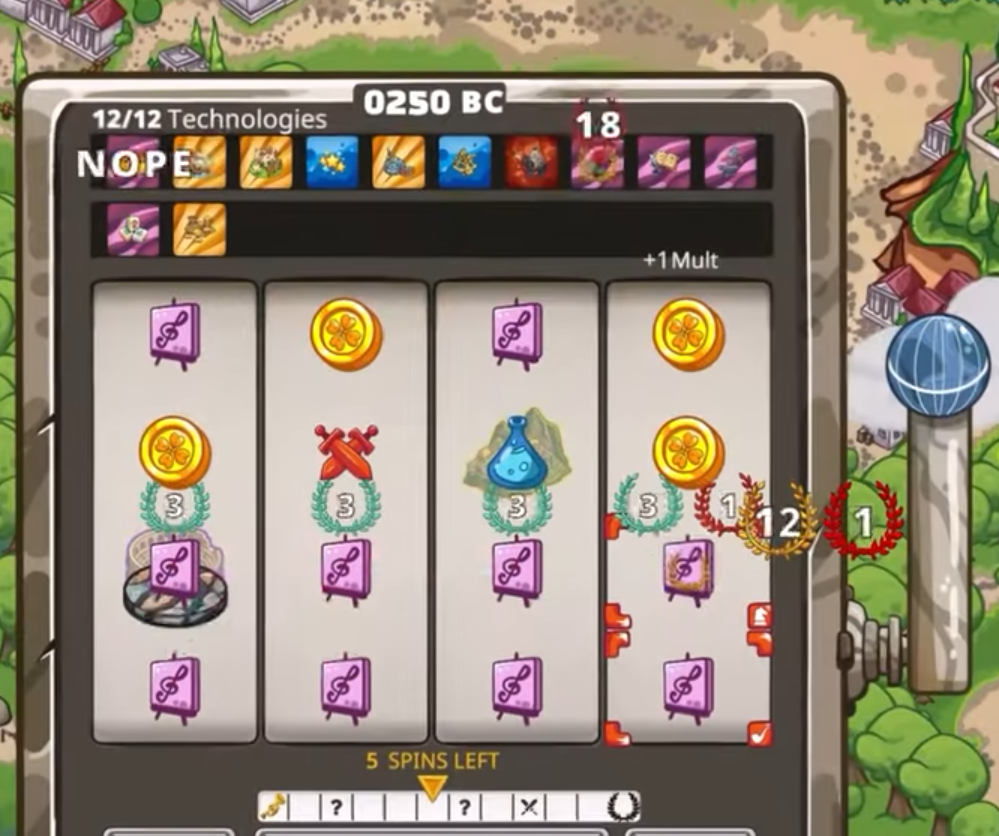
The core gimmick? Your resources aren’t just mined or harvested—they’re spun.
How It Works
Instead of a standard tech tree or worker placement, you operate a massive, empire-themed slot machine.
The Spin: Every turn starts with a pull of the lever. The symbols that land determine your Military, Science, Culture, and Gold.
The Deckbuilding: You don’t just hope for luck; you build the machine. You can add specific resource symbols, multipliers, and “Wild” jokers to tilt the odds in your favour.
The Progress: In the demo, you’ll fight to survive the first 3 eras (out of 9 planned for the full game). You have to hit “Era Scores” to advance before history leaves you behind.
Key Features to Watch For
Historical Leaders: Choose icons like Napoleon or Cleopatra. Each has “Rule-Breaking Traits” (e.g., Napoleon can use Culture to train soldiers).
Wonders of the World: Building a Wonder like the Pyramids doesn’t just look cool—it physically changes the slot machine layout, creating “landing zones” for massive passive bonuses.
Risk vs. Greed: Do you spend your spins on Science to automate your growth, or do you pump your Military symbols to defend against incoming raids?
The Verdict: It’s “Civilization” meets “Luck be a Landlord,” and it is surprisingly stressful in the best way possible.
The demo is currently available on Steam for PC and macOS. It’s a great chance to see if you have the strategy to outsmart the “Cycle of Fate.”
Find out more here on Steam – https://shorturl.at/W7vol
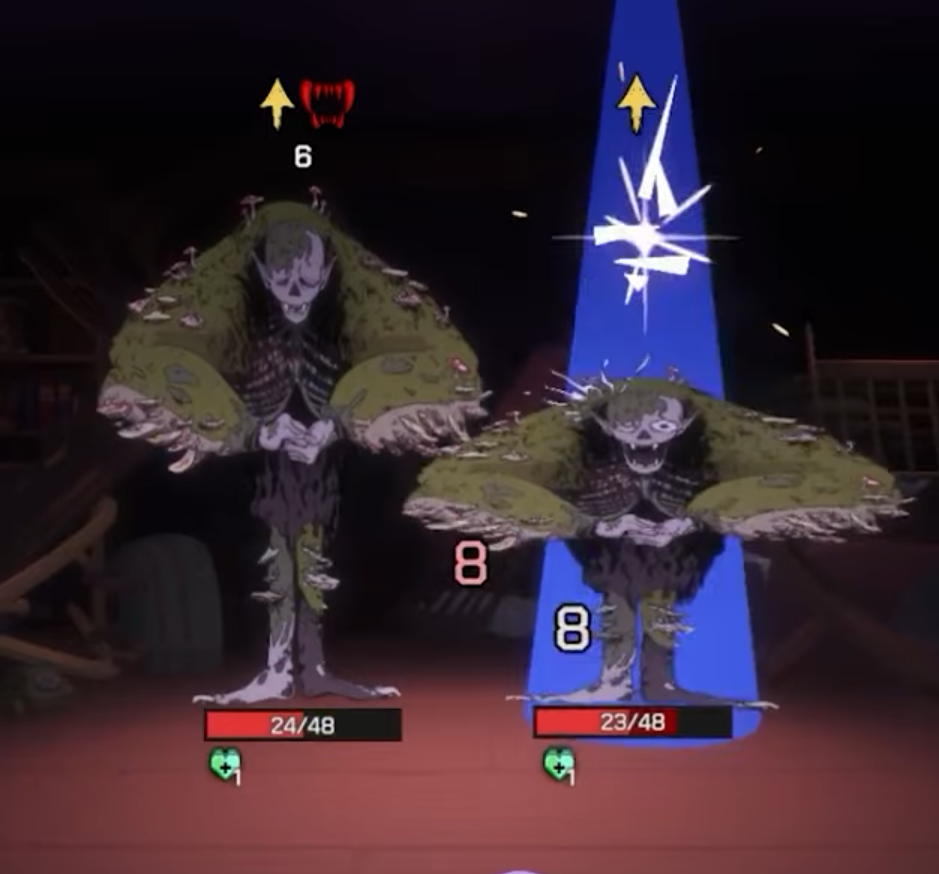
Launched on January 27, 2026, THE SPIRIT LIFT is a stylised love letter to ’90s horror and tactical card gaming. Developed by prettysmart games, this “Ghostpunk” deckbuilder transports players back to a pixelated 1990s where a graduation party at the Vexington Hotel goes south, leaving a group of teenagers trapped in a supernatural elevator.
The Premise: Rewind or Die
The game follows a group of eight classic high school tropes—ranging from the tennis star and the jock to the goth artist—as they navigate 13 procedurally generated floors of a haunted hotel. The aesthetic is pure nostalgia: think CRT filters, low-poly 3D environments, and a soundtrack that feels ripped from a cult-classic VHS tape.
Gameplay Mechanics
Unlike many deckbuilders that focus solely on abstract card play, THE SPIRIT LIFT incorporates light dungeon crawling. You move square-by-square through the hotel’s hallways, triggering random events and grid-based encounters.
Team-Based Synergy: You select a trio of investigators for each run. Your deck is a combined pool of cards based on those specific characters.
Tactical Combat: Battles use a shared pool of action points. You’ll use everyday ’90s items—disposable cameras to stun, slap bracelets for gear, and tennis rackets for defence—to fend off poltergeists and cryptids.
The “Trauma” System: A unique twist where negative cards (Trauma) are added to your deck by enemies. Unlike standard cards, these often have to be played multiple times to be “processed” and removed, forcing you to manage your team’s mental fatigue.
Meta-Progression: The Spirit Shop, run by a mysterious wolf-man named Dorian, allows you to spend “Spirit Points” earned during runs on permanent upgrades like increased health or extra gear slots.
Why It Stands Out
The game’s core loop—“Be Kind, Rewind”—is a nod to its roguelike nature. Death isn’t the end; it’s a “rewind” of the graduation night, allowing you to try different character combinations and uncover the hotel’s deeper lore. With over 200 cards and 90 pieces of gear, the strategic depth is significant, even if the “unlucky number 13” theme keeps every run tense and relatively fast-paced.
Find out more here – https://www.thespiritlift.com/
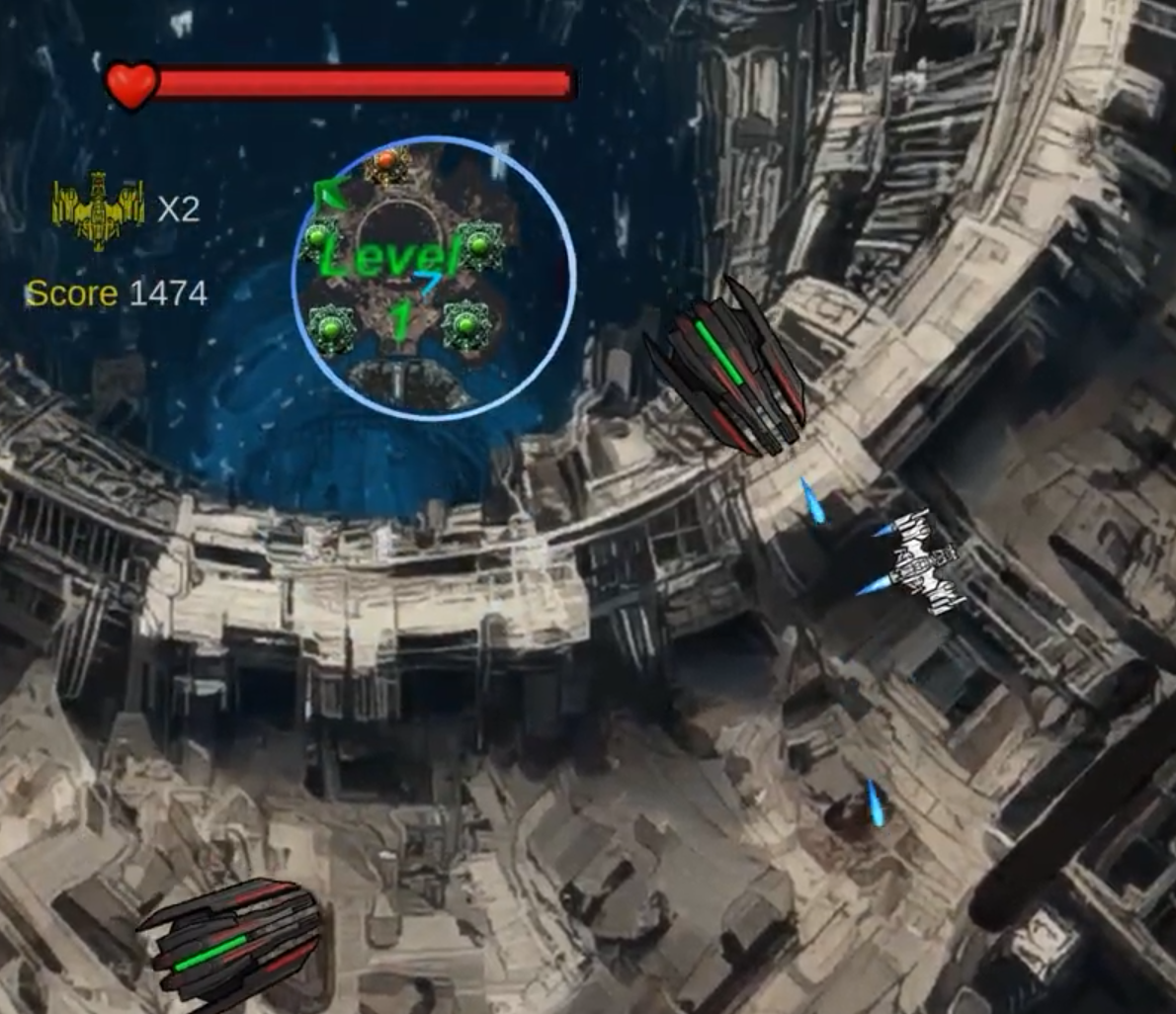
If you spent your childhood (or your weekend) hunched over a cabinet blasting vector-line rocks into dust, Astro Busters is the modern adrenaline shot you’ve been waiting for. Developed by Michael Prymus and Piotr Przyby? of Astrobuster Studios, this indie title takes the DNA of Asteroids and X-Pilot and injects it with modern physics, deep progression, and cross-platform chaos.
Released into Early Access in late 2025 and now fully hitting its stride in early 2026, the game has quickly carved out a niche for players who want “just one more run” in deep space.
Gameplay: Physics-First Combat
Unlike the rigid movement of older shooters, Astro Busters emphasises realistic physics. Your ship has weight, momentum, and a sense of drift that makes every narrow escape from a giant asteroid feel earned. It’s not just about pointing and clicking; it’s about mastering the “warp” mechanics and managing your ship’s trajectory while under fire.
The game currently offers a diverse arsenal and progression system:
Ships & Weapons: Choose between different vessel types and equip 7 distinct weapons, ranging from standard blasters to high-destruction mayhem-makers.
The Upgrade Loop: As you complete missions and sub-tasks, you earn coins to upgrade everything from your ship’s defensive plating to its raw firepower.
Boss Battles: It’s not just rocks out there. Each level culminates in intense boss fights that require more than just twitch reflexes—you’ll need a strategy.
The Multiplayer Edge
One of the most impressive feats of Astro Busters is its cross-platform multiplayer. Whether you’re on a high-end PC via Steam or playing for free on your iPhone or Android, you can jump into the same lobby.
Mode
What to Expect
Deathmatch
Classic free-for-all dogfighting in space.
Co-Op Survival
Team up with friends to see how many waves you can survive.
Ranked Leagues
Climb the global leaderboards to prove you’re the best pilot in the sector.
The Road Ahead
As of early 2026, the game is still evolving. The developers have teased a dynamic random level generator and a Capture the Flag (CTF) mode to keep the multiplayer experience fresh. With its synthwave soundtrack and “easy to learn, hard to master” philosophy, it’s a perfect bridge between retro nostalgia and modern gaming.
Pro Tip: Don’t ignore the warp feature. It’s your best friend when you’re boxed in by a swarm of enemies or a cluster of asteroids.
Find out more here – https://www.astrobusters.online/
Forget waiting a week for your numbers to go up. This game is incremental madness on fast-forward.
Let’s be honest about the idle game genre. We love them. There is something primally satisfying about watching a number grow from “1” to “1.5 quindecillion.”
But we also hate them. We hate that point—usually about three days in—where progress grinds to a halt. You’ve bought all the reasonable upgrades, and now you’re just waiting. You close the tab, check back in eight hours, buy one thing, and close it again. The “game” part has stopped, and it’s just a glorified screensaver.
If that mid-game slump drives you crazy, I have a solution. It’s called Rushcremental, and it is the incremental game for people with zero patience.
The Oxymoron of “Active Idle”
Rushcremental (often found on itch.io or various web game portals) lives up to its portmanteau name. It takes the core concept of incremental progression—click thing, get currency, buy upgrade, get currency faster—and injects it with a massive dose of adrenaline.
The premise of most idle games is “set it and forget it.” The premise of Rushcremental is “click it, upgrade it, reset it, and do it again—FAST.”
It is an idle game that demands your full attention. If you look away for five minutes to make a sandwich, you have genuinely missed optimal strategic windows.
The Dopamine Loop on Fast-Forward
What makes Rushcremental stand out in a crowded market? It’s the pacing of the rewards.
In a standard clicker game, the dopamine hits start fast and then space out further and further apart. In Rushcremental, the game is designed to keep those hits coming at a breakneck pace.
The early game flies by in seconds. Suddenly, you hit a wall. But unlike other games where the wall means waiting two days, in Rushcremental, the wall means it’s time to Prestige (reset).
The Art of the Quick Prestige
The “Prestige” mechanic—resetting all your progress in exchange for a permanent multiplier—is standard fare for the genre.
Rushcremental twists this by making prestiging a minute-by-minute activity rather than a weekly event. The game is designed so that your progress slows down drastically very quickly. Your goal isn’t to build the biggest empire possible in one run; your goal is to reach the most efficient reset point as fast as possible.
Repeat the whole process, but now everything is five times faster.
It turns the passive waiting game into an active optimisation puzzle. Do I push for ten more seconds to get that next tier upgrade, or do I reset now because my current multiplier is stale?
Who Is This Game For?
Rushcremental isn’t for everyone. If you like the slow-burn satisfaction of checking in on a digital farm once a day, this will stress you out.
But, this game is for you if:
You love the start of idle games but hate the middle.
You enjoy min-maxing and figuring out the most efficient path through a system.
You want a game you can actively play for 20 minutes during a coffee break and feel like you accomplished a huge amount of progression.
The Final Verdict
Rushcremental proves that the idle genre doesn’t have to be boring. By compressing the weeks-long grind of traditional clickers into bite-sized, frantic sessions, it creates a uniquely engaging experience. It’s the perfect game for the modern attention span: high numbers, fast rewards, and zero waiting required.
Just be warned: your mouse finger will get tired.
Rushcremental on Steam – https://shorturl.at/7FQ3u
Hearken, brave champions of Cloudheim! The winds of change are blowing, and they carry with them the crisp, invigorating chill of a brand new update! Prepare yourselves, for the “Frostfall” update has arrived, blanketing the realms in a mesmerising layer of ice and introducing a host of thrilling new challenges, magical wonders, and strategic depths. Cloudheim, as you know it is about to experience its most profound winter yet!
We’ve listened intently to your whispers across the realms, your battle cries, and your desires for fresh adventures. Frostfall is our answer – a meticulously crafted update designed to immerse you in a stunning, snow-kissed world while pushing the boundaries of your strategic prowess and rewarding your courage.
What Awaits You in the Frostfall Update?
Brace yourselves for a blizzard of exciting new content and game-changing features:
The Icy Reach of the Frostlands: Venture into the newly unveiled Frostlands, a vast and perilous new region where ancient glaciers groan, and blizzards rage endlessly. Explore frozen forests, navigate treacherous ice caves, and discover the secrets buried deep beneath layers of eternal snow. Beware, for new, chilling creatures lurk in these unforgiving wastes, guardians of forgotten power.
For fans of monster-catching RPGs, the name “EvoCreo” has been around for a while, delighting players on mobile platforms. But now, this fantastic adventure has made its way to Steam, and I’m here to tell you why you absolutely need to check it out!
If you’ve ever yearned for a game that captures the spirit of classic monster-catching titles while offering its own unique charm, EvoCreo is it. From the moment you step into the vibrant world of Zenith, you’re greeted with a sense of nostalgia mixed with fresh excitement.
What Makes EvoCreo Special?
1. A Rich World to Explore: Zenith is a sprawling land teeming with diverse environments, from lush forests to scorching deserts and mysterious caves. Each area feels distinct and offers a variety of Creo (the game’s monsters) to discover and capture. The pixel art style is beautifully rendered, making every new location a joy to behold.
2. Hundreds of Unique Creo to Catch: This is where EvoCreo truly shines! There are over 170 Creo to encounter, each with its own unique design, elemental type, and abilities. Catching them all is a thrilling endeavour, and the diversity ensures that every team you build will feel distinct. The designs are imaginative, ranging from adorable critters to powerful beasts.
3. Deep and Engaging Combat: EvoCreo features a turn-based combat system that is easy to learn but offers surprising depth. Strategic planning is key as you utilise your Creo’s elemental strengths and weaknesses, as well as their diverse skill sets. Status effects, synergy between Creo, and smart switching can turn the tide of any battle. You’ll find yourself constantly tweaking your team and experimenting with different moves to create the ultimate combination.
Are you tired of saving the princess? Done with defeating the big bad evil guy? Do you just want to get your hands dirty with some good, honest (and incredibly messy) work? Then look no mead-swilling, gold-hoarding, dungeon-delving further than Goblin Cleanup!
This delightful indie gem turns the typical fantasy narrative on its head. Instead of being the brave hero, you’re a humble goblin tasked with the thankless job of cleaning up the aftermath of those very heroes’ “adventures.” And let me tell you, those heroes leave a huge mess.
What’s the Gist?
In Goblin Cleanup, you play as a plucky goblin armed with various tools – brooms, mops, buckets, and even some explosive barrels (for those really stubborn stains). Your mission? To scrub, sweep, and generally tidy up a variety of dungeon rooms, castles, and even dragon lairs that have been thoroughly trashed. Think PowerWash Simulator, but with more slime, fewer power washers, and a whole lot more goblin charm.
The game thrives on its physics-based chaos. Splattering slime, rolling severed limbs (don’t ask), and strategically placing traps to guide refuse into disposal chutes are all part of the fun. Every level presents unique challenges, from slippery floors to aggressive dungeon dwellers who aren’t too keen on you tidying up their personal hoard of garbage.
Why You’ll Love It:
Goblin Perspective: It’s refreshing to see the world from the perspective of the often-maligned goblin. They’re not evil; they’re just trying to make a living!
Satisfying Gameplay: There’s a strange satisfaction in transforming a truly disgusting mess into a sparkling (well, goblin-sparkling) clean room. The progress is visually rewarding.
Humour Galore: The game is packed with witty dialogue, comical sound effects, and absurd scenarios. You’ll find yourself chuckling as you accidentally launch a barrel of goo across the room or discover a hidden (and surprisingly clean) treasure chest.
Co-op Mayhem: While it’s a blast solo, Goblin Cleanup truly shines in co-op. Team up with a friend and experience double the chaos, double the laughs, and maybe even double the efficiency (eventually). Just try not to accidentally sweep your co-goblin into a chasm.
The universe of survival games is about to get a whole lot more explosive. Get ready to have your engineering skills—and your thirst for destruction—put to the ultimate test with Astromine, a co-op survival game that promises a fully destructible voxel solar system. Developed by Alientrap, this isn’t just another crafting-and-surviving experience; it’s a cosmic faction war where every piece of the environment is yours to exploit or obliterate.
What is Astromine All About?
Astromine throws you into a vast, procedurally generated solar system as a robot engaged in a brutal war for control. Your mission is simple, yet daunting: scavenge, build, and fight your way across alien worlds to conquer the system.
Forget non-interactive terrain. In Astromine, everything is made of voxels and adheres to real physics.
Scavenge and Mine: Need resources? Tunnel straight through a mountain. Want to reach a core deposit? Collapse the entire crust. The ability to completely destroy and reshape the environment is not just a feature; it’s the core mechanic of resource gathering and survival.
True Physics Survival: This is where Astromine truly stands out. Weak foundations will crumble, fire will spread realistically, and the structural integrity of your base is a constant factor. Survival isn’t just about managing meters; it’s about smart, realistic engineering.
Robot vs. Robot Warfare: You’ll be going up against rival robot factions that have fortified bases across the planets. Combat is strategic and destructive. You don’t just “take over” a base—you literally have to breach walls, disable power sources, and tear the entire structure down piece by piece.
Build, Expand, and Defend
The materials you gather aren’t just for rudimentary tools. Astromine pushes the building aspect to the extreme:
Custom Structures: From simple shelters to massive, fortified orbital fortresses, you can construct detailed bases, knowing that every voxel you place has a physical presence and structural weight.
Design Your Spaceships: Building extends to interstellar travel! You can construct and customize your own spaceships, which you will then pilot between planets to expand your territory and engage in orbital battles.
Co-Op Chaos and Conquest
While the solar system is your sandbox, you don’t have to face the rival factions and alien creatures alone. Astromine is designed for co-op play, allowing you and your friends to team up to pool resources, divide labor, and coordinate massive assaults on enemy outposts. Whether you’re building a massive starship together or simultaneously tunneling under an enemy base, teamwork is key to conquering the stars.
The Bottom Line
Astromine promises a refreshing take on the survival-sandbox genre by putting physics and total destructibility at the forefront. If you’re looking for a game that rewards clever engineering, offers intense co-op combat, and lets you reshape the very planets you stand on, keep this title on your radar.
Astromine is currently scheduled for an Early Access release in 2026. You can find more information and sign up for playtests on the game’s Steam page.https://shorturl.at/OqPA7
In the ever-evolving landscape of independent game development, a new title has emerged, promising a unique blend of philosophical depth and unadulterated destruction: Virtue and a Sledgehammer. While still shrouded in a fair bit of mystery, early buzz suggests this isn’t just another indie darling; it could be a genuinely thought-provoking experience that challenges the very conventions of the medium.
From what we’ve gathered, the game’s premise is as intriguing as its title. Players are thrust into a world grappling with moral ambiguity, where their actions – both virtuous and… well, sledgehammer-esque – have profound and often unpredictable consequences. It’s a bold move, attempting to weave complex ethical dilemmas into a gameplay loop that also seems to embrace a healthy dose of chaos.
What We Know (or Think We Know):
A Unique Narrative Approach: Initial reports hint at a branching narrative system that goes beyond simple good/evil choices. Players will likely face nuanced situations where the “right” answer is far from clear, forcing them to confront their own moral compass.
The Sledgehammer Mechanic: This is where things get interesting. While the “virtue” aspect suggests careful consideration, the “sledgehammer” implies direct, impactful, and potentially destructive interaction with the game world. Could this be a literal tool for demolition, or a metaphorical representation of forceful change? We’re betting on a bit of both. Imagine solving a moral quandary by meticulously building trust, or by simply smashing through an obstacle that stands in your way.
Stylized Visuals: Early concept art, though scarce, suggests a distinctive aesthetic that balances the game’s serious undertones with a potentially whimsical or even surreal presentation.
Indie Spirit: Developed by a small, passionate team, Virtue and a Sledgehammer embodies the indie spirit of innovation and willingness to experiment with unconventional ideas. This often leads to some of the most memorable gaming experiences.
Why This Game Matters:
In an industry often criticized for its reliance on established tropes, Virtue and a Sledgehammer appears to be charting its own course. It’s not afraid to ask difficult questions, and it seems to empower players with tools – both intellectual and literal – to explore those questions in a dynamic environment. If it delivers on its promise, this game could:
Elevate Narrative Gaming: By presenting truly challenging moral choices with tangible repercussions, it could push the boundaries of how stories are told and experienced in games.
Redefine Player Agency: The interplay between virtuous actions and destructive capabilities could create a fascinating tension, making players constantly weigh the ethical implications of their chosen path.
Spark Conversation: Games that tackle complex themes often become catalysts for discussion, and Virtue and a Sledgehammer seems perfectly poised to do just that.
We’re eagerly awaiting more details on Virtue and a Sledgehammer. If the developers can successfully meld its ambitious narrative with compelling gameplay, we might just have a groundbreaking title on our hands – one that reminds us that sometimes, profound insights can be found amidst the shattered remains of convention.
Stay tuned for more updates as we follow the development of this intriguing title!
Virtue and a Sledgehammer – https://www.beastro.game/
Forget sprawling metropolises and perfect grid layouts. The next big thing in cozy gaming is all about compact chaos and finding beauty in the dense, delightful mess of urban life. Get ready to dive into ShantyTown, the unique diorama-building game coming to Steam on April 16, 2026.
Created by solo developer Erik Rempen (Silk Softworks), the mind behind Kainga: Seeds of Civilization, ShantyTown is not your typical city builder. It’s a meditative exercise in creativity, challenging you to construct bustling, colorful, and organically-growing neighborhoods in the tiniest of spaces.
Diorama Building: A Puzzle of Placement
At its heart, ShantyTown is a diorama builder with a delightful twist of puzzle mechanics. Each location you visit—from a tiny peninsula to an industrial pipe tunnel—gives you a limited space to work with and a curated set of objects to place.
The Three-Card Deck: Items appear in groups of three, and it’s up to you to strategically place them. You’ll be layering buildings, stacking shops, and tucking rooftop gardens into every available nook.
Creating Life and Utility: The challenge isn’t just fitting things in; it’s upgrading your structures. Buildings need supporting elements like lights, decor, and utility services to level up, adding a layer of depth and strategy to your placement decisions.
Uncovering the Location’s Purpose: As you build, the specific blend of objects you use reveals the true identity of the location. Will your creation become a Dockside Teahouse, a vibrant Nightlife District, or a bustling Seafood Market?
This mix of creative freedom and constrained placement makes ShantyTown feel like a blend of games like Dorfromantik and Tiny Glade, offering both a relaxing creative sandbox and satisfying objective-based progress.
The Vibe: Cozy, Atmospheric, and Aesthetic
A key feature setting ShantyTown apart is its incredible atmosphere:
A Unique Aesthetic: The game embraces an imperfect yet charming urban aesthetic, full of warm colors, dense detailing, and little visual surprises like walking houses and drifting birds. It genuinely finds beauty in the improvised, resourceful nature of the environments.
Dynamic Soundtrack: The atmosphere is perfectly rounded out by a custom, adaptive soundtrack from the prolific vaporwave artist Macroblank, ensuring the experience remains peaceful and immersive as you build.
Photo Mode & Dossier: Once you’ve perfected your micro-city masterpiece, a detailed photo mode lets you capture the scene. These photos are then added to your in-game dossier, allowing you to revisit your favorite creations later or share them with the community.
Get Your Hands On It Now!
Excited to start building? The full game is scheduled to launch on April 16, 2026, for PC via Steam.
The good news is that you don’t have to wait! A recently updated, free demo is available right now on the Steam store page. The demo includes tutorial levels and a taste of the creative mode, allowing you to fully immerse yourself in the unique vibes of ShantyTown.
The partnership between Erik Rempen’s Silk Softworks and publisher Kinephantom Games means this project—four years in the making—is heading for a smooth and highly anticipated launch. Go check out the demo and add ShantyTown to your wishlist today!
If you’re like me, you love the satisfaction of a perfect match-three combo but crave the ever-changing challenge of a roguelite. Prepare to have your gaming needs met by the unique hybrid that is Dialoop -Roguelite Puzzle-, recently hitting Early Access on Steam.
This isn’t just a casual brain teaser; it’s a deep, strategic, and surprisingly explosive action-puzzle game that demands quick thinking and a mastery of synergy.
What is Dialoop? The Core Loop
At its heart, Dialoop challenges players to face off against powerful guardians in a unique, grid-based puzzle battle. Your goal is to manage the board, create massive combos, and defeat your foe before your health runs out.
Here’s what sets it apart:
1. The Unique Puzzle Mechanic
Unlike traditional match-three games where you swap adjacent tiles, Dialoop allows you to slide entire rows and columns, both horizontally and vertically. This simple change opens up a world of strategic possibilities, forcing you to think several moves ahead. Setting up a board for a massive, multi-directional chain reaction is intensely satisfying and often the key to survival.
2. Roguelite Depth and Deck-Building
Between puzzle encounters, your success is defined by the roguelite elements. You’ll be diving into ancient ruins to uncover powerful relics, and this is where the real customization begins:
Relics: These are your run-defining upgrades. They can be anything from changing the frequency of certain colored tiles to granting you score multipliers, or even creating new special blocks after a 4-match combo. Stacking relics for a potent build is the primary way to gain an edge.
Characters: Each playable character comes with their own unique abilities that can synergize with your chosen relics, allowing for completely different playstyles.
Every run is a fresh slate. Will you focus on building explosive special blocks, or maximize point output from every 3-match? Your choices in the shop literally make or break the loop!
Beyond Solo: The Arena Mode
While the Solo Survival mode offers that addictive “one more run” feeling we love in roguelites, Dialoop also includes an exciting eight-player battle royale Arena mode (currently available in Early Access).
This online versus mode takes the frantic puzzle action and pits players against each other. Strategy shifts from simply maximizing your score to actively trying to take out your competition with well-timed abilities and devastating chains. It’s a high-stakes, fast-paced puzzle fight for survival that adds significant replayability.
Verdict: A Must-Try for Puzzle Enthusiasts
Developed by Byking Inc., Dialoop manages to successfully fuse genres that rarely mix this seamlessly. The combination of flexible grid movement and the strategic depth of relic-based deck-building results in a highly addictive experience.
If you’re looking for a game that tests both your puzzle-solving wits and your strategic long-term planning, jump into Dialoop -Roguelite Puzzle- on Steam Early Access now. It’s time to start planning your perfect, wish-granting combo!
Key Takeaways:
Feature
Description
Genre
Roguelite Action-Puzzle / Deckbuilding
Key Mechanic
Sliding entire puzzle rows/columns (not just swapping adjacent tiles).
Progression
Collecting unique Relics and utilizing Character Abilities to build synergistic combos.
Modes
Solo Survival (Roguelite Run) and 8-Player Arena (Battle Royale)