Get ready to twist your perspective! Aarik and the Ruined Kingdom is officially making its way to the Nintendo Switch on March 26, 2026.
If you’re a fan of Monument Valley or Captain Toad: Treasure Tracker, this cosy indie gem from Shatterproof Games is one to keep on your radar.
The Quest
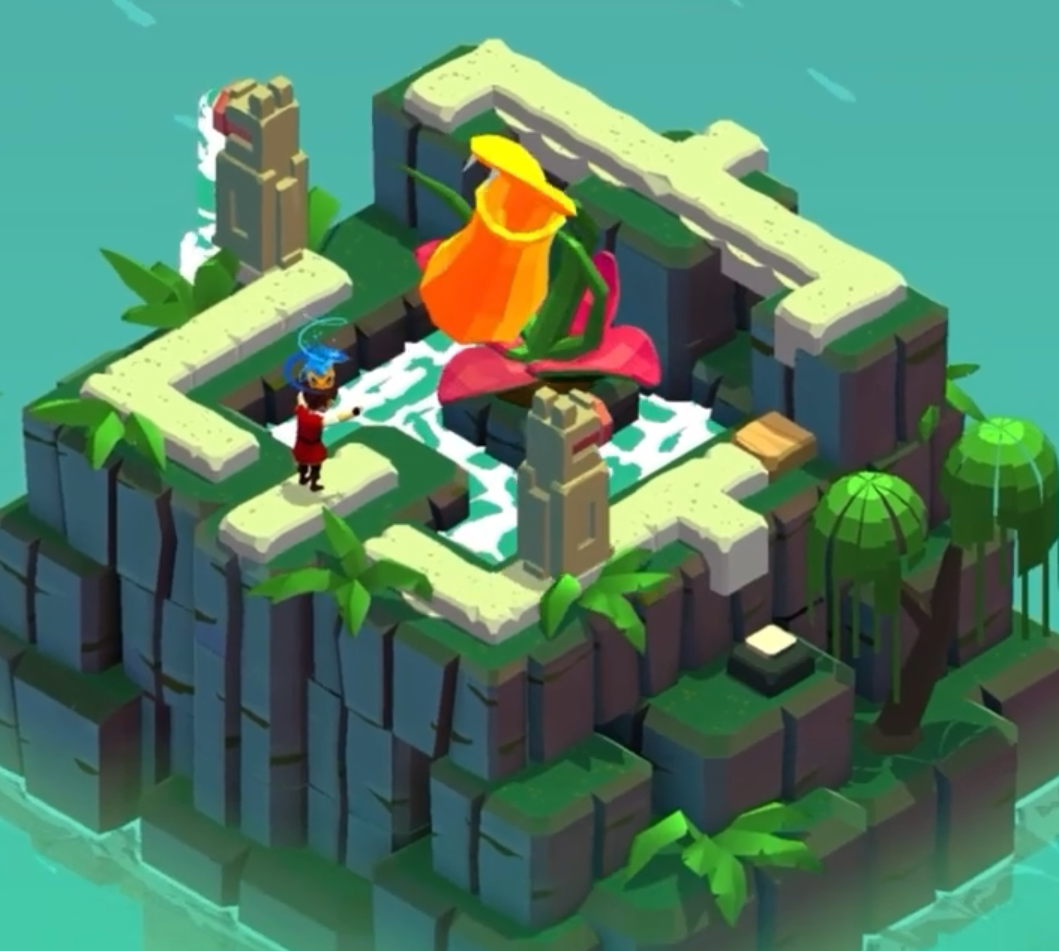
You play as Aarik, a young prince navigating a crumbling world to find his mother and reunite his family. Armed with his father’s magical crown, you’ll journey through six vibrant biomes—from sun-scorched deserts to frozen tundras—to restore the kingdom to its former glory.
Key Features
Perspective-Shifting Puzzles: Rotate the world to connect broken paths and discover hidden secrets.
Gemstone Powers: Unlock four magical gems that allow you to manipulate time, move massive structures, and even control objects.
Perfect for Switch: The game has been optimised for Nintendo’s hardware, offering full touch screen support in handheld mode alongside Pro Controller compatibility.
Cosy Vibes: A relaxing, family-friendly experience with a low-poly art style and a soothing soundtrack.
Launch Details
Release Date: March 26, 2026
Platform: Nintendo Switch (Digital Only)
Pre-order Deal: Grab it now on the eShop for 20% off the launch price!
“A beautiful blend of heartwarming storytelling and mind-bending challenges.”
Ever felt like you needed a break from the everyday, a chance to explore a truly unique world? If you own a Nintendo Switch, then you might want to consider taking a whimsical dive into the quirky universe of Stars In The Trash. This charming indie title, while perhaps not the flashiest on the eShop, offers a surprisingly heartwarming and engaging experience that’s perfect for a cosy gaming session.
What exactly is Stars In The Trash?
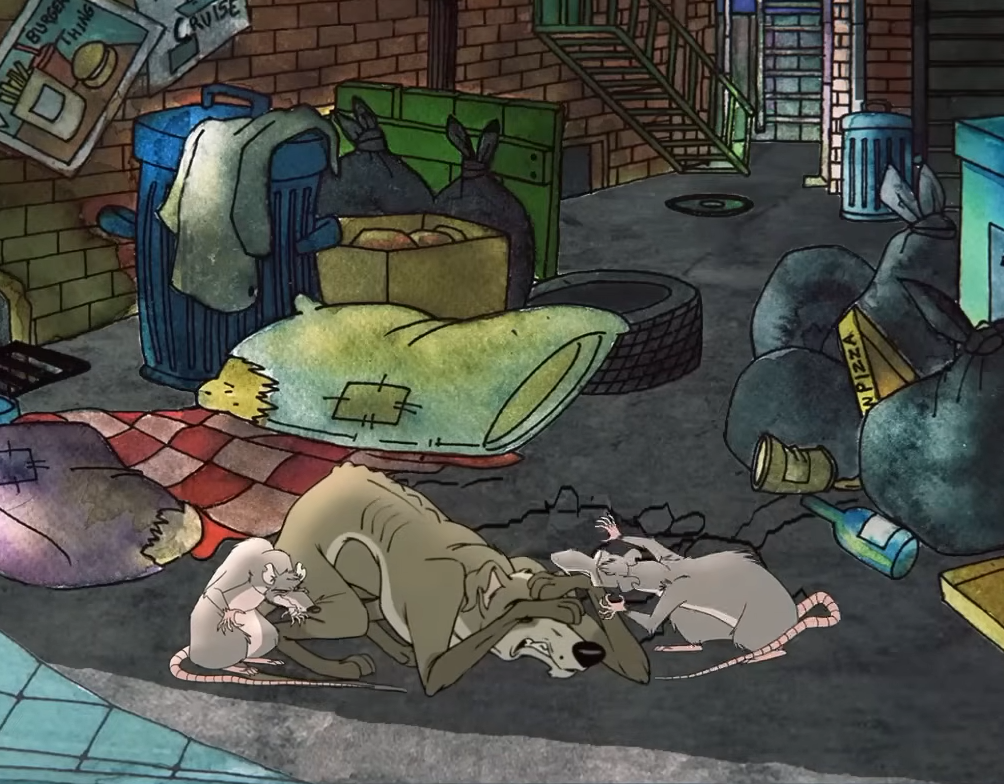
Imagine a point-and-click adventure game, but instead of dusty mansions or fantastical realms, your playground is a sprawling, interconnected junkyard. You play as a resourceful cat named Muffin, who, after being separated from her owner, must navigate this fascinating world of discarded treasures and forgotten junk to find her way home.
A Visual Feast of Found Objects
One of the first things that strikes you about “Stars In The Trash” is its distinct visual style. The game artfully renders its junk-filled environments with a hand-crafted charm that feels both nostalgic and fresh. Every screen is a detailed tapestry of discarded items, from rusty cans and broken toys to old furniture and tangled wires. It’s a testament to how beauty can be found in the most unexpected places.
Puzzles That Make You Think (and Smile)
As Muffin, you’ll encounter a variety of clever puzzles that rely on keen observation and creative thinking. You’ll need to collect items, combine them in inventive ways, and interact with the quirky inhabitants of the junkyard (who are often animals themselves!) to progress. The puzzles are challenging enough to be satisfying without ever feeling frustrating, striking that sweet spot that keeps you engaged. There’s a real joy in figuring out how a seemingly useless piece of junk can become the key to unlocking the next area.
A Purr-fectly Heartwarming Story
Beyond the puzzles and unique visuals, “Stars In The Trash” tells a surprisingly touching story about perseverance, friendship, and finding your way home. Muffin’s journey is relatable, and you can’t help but root for her as she overcomes obstacles and encounters a cast of memorable characters. It’s a tale that reminds you of the simple pleasures and the importance of connection, all wrapped up in a charming feline package.
Why it Shines on Switch
The Nintendo Switch is an ideal platform for “Stars In The Trash.” The game’s relaxed pace and focus on exploration make it perfect for handheld play, whether you’re on the couch or on the go. The touchscreen controls are intuitive for point-and-click actions, making Muffin’s adventures feel even more immersive. It’s the kind of game you can pick up for short bursts or settle into for a longer, more contemplative session.
The Verdict: Don’t Judge a Book (or a Game) by its Cover (or Title!)
“Stars In The Trash” might sound like an unconventional premise, but it delivers an incredibly rich and enjoyable experience. If you’re a fan of point-and-click adventures, unique art styles, or just looking for a game that offers a different kind of charm, then you absolutely owe it to yourself to check out this hidden gem on the Nintendo Switch. It proves that sometimes, the most beautiful stars can indeed be found right in the trash.
Have you played “Stars In The Trash“? What were your favourite moments? Let us know in the comments below!
Stars In The Trash – Nintendo Switch – https://valhallacats.com/
If you’re like me, you love the satisfaction of a perfect match-three combo but crave the ever-changing challenge of a roguelite. Prepare to have your gaming needs met by the unique hybrid that is Dialoop -Roguelite Puzzle-, recently hitting Early Access on Steam.
This isn’t just a casual brain teaser; it’s a deep, strategic, and surprisingly explosive action-puzzle game that demands quick thinking and a mastery of synergy.
What is Dialoop? The Core Loop
At its heart, Dialoop challenges players to face off against powerful guardians in a unique, grid-based puzzle battle. Your goal is to manage the board, create massive combos, and defeat your foe before your health runs out.
Here’s what sets it apart:
1. The Unique Puzzle Mechanic
Unlike traditional match-three games where you swap adjacent tiles, Dialoop allows you to slide entire rows and columns, both horizontally and vertically. This simple change opens up a world of strategic possibilities, forcing you to think several moves ahead. Setting up a board for a massive, multi-directional chain reaction is intensely satisfying and often the key to survival.
2. Roguelite Depth and Deck-Building
Between puzzle encounters, your success is defined by the roguelite elements. You’ll be diving into ancient ruins to uncover powerful relics, and this is where the real customization begins:
Relics: These are your run-defining upgrades. They can be anything from changing the frequency of certain colored tiles to granting you score multipliers, or even creating new special blocks after a 4-match combo. Stacking relics for a potent build is the primary way to gain an edge.
Characters: Each playable character comes with their own unique abilities that can synergize with your chosen relics, allowing for completely different playstyles.
Every run is a fresh slate. Will you focus on building explosive special blocks, or maximize point output from every 3-match? Your choices in the shop literally make or break the loop!
Beyond Solo: The Arena Mode
While the Solo Survival mode offers that addictive “one more run” feeling we love in roguelites, Dialoop also includes an exciting eight-player battle royale Arena mode (currently available in Early Access).
This online versus mode takes the frantic puzzle action and pits players against each other. Strategy shifts from simply maximizing your score to actively trying to take out your competition with well-timed abilities and devastating chains. It’s a high-stakes, fast-paced puzzle fight for survival that adds significant replayability.
Verdict: A Must-Try for Puzzle Enthusiasts
Developed by Byking Inc., Dialoop manages to successfully fuse genres that rarely mix this seamlessly. The combination of flexible grid movement and the strategic depth of relic-based deck-building results in a highly addictive experience.
If you’re looking for a game that tests both your puzzle-solving wits and your strategic long-term planning, jump into Dialoop -Roguelite Puzzle- on Steam Early Access now. It’s time to start planning your perfect, wish-granting combo!
Key Takeaways:
Feature
Description
Genre
Roguelite Action-Puzzle / Deckbuilding
Key Mechanic
Sliding entire puzzle rows/columns (not just swapping adjacent tiles).
Progression
Collecting unique Relics and utilizing Character Abilities to build synergistic combos.
Modes
Solo Survival (Roguelite Run) and 8-Player Arena (Battle Royale)
Annapurna Interactive, the renowned publisher of critically acclaimed, narrative-driven indie games, is setting the stage for its next reflective adventure with D-Topia. Developed by Marumittu Games, this “gentle-paced puzzle adventure” invites players into a world of curated bliss, asking a pointed question: What is the price of a truly perfect life?
The Illusion of Utopia
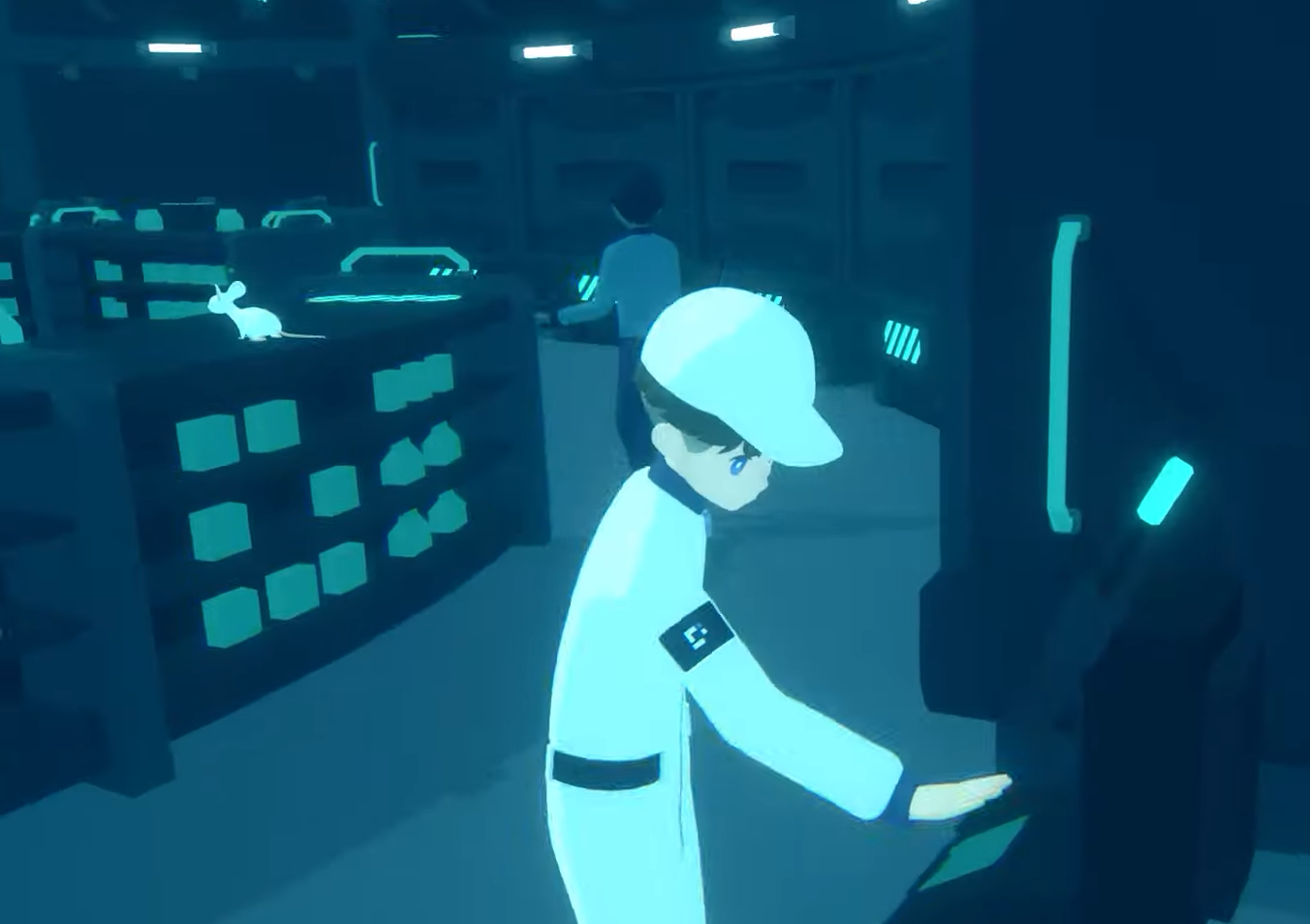
D-Topia is set within a futuristic residential community where life is meticulously overseen and managed by an artificial intelligence (AI) as part of “The Utopia Project,” an initiative designed to maximize human comfort and happiness. On the surface, the city is a sterile, bright, and calm paradise, where every resident seems perfectly content and every problem is quickly solved.
Players step into the role of the newest Facilitator, a human tasked with resolving issues within the community. While the AI manages the grand scheme, it is your job to provide the necessary “human touch” for local malfunctions and, more importantly, the personal struggles of the vibrant residents.
Gameplay: Puzzles and Personal Choices
The core gameplay loop alternates between solving logic-based puzzles and engaging in a reflective, choice-driven narrative adventure.
Clever, Integrated Puzzles
Your primary task as a Facilitator is maintenance, often involving fixing glitches and mechanical breakdowns. These issues manifest as clever, logic-based puzzles, often presented as block-moving or circuit-connecting challenges. For instance, players may need to manipulate numbered blocks onto corresponding tiles, navigating them through barriers that alter their values, to successfully complete a repair.
The Residents and Moral Dilemmas
The deeper layer of the game lies in its human element. You’ll interact with the many citizens of D-Topia, each with their own story and underlying anxieties, despite living in an alleged paradise. This is where the game shifts from a mechanical puzzler to a thoughtful adventure. The choices you make in guiding these residents—whether you conform to the strict rules of the AI-managed society or choose a more personal, empathetic route—will significantly impact their futures and the overall direction of the story.
Step Into Two Worlds: The Block Side
One of the most intriguing mechanics is the ability to shift between the “bright, public reality” of D-Topia and the hidden “Block Side.” This parallel dimension reveals the digital underbelly of the utopia, allowing you to see and fix the glitches and technical defects that are hidden from the general populace. This dual-world structure hints at secrets waiting to be uncovered, adding a mystery element to the seemingly straightforward maintenance role.
A Thought-Provoking Narrative
As the protagonist, you are given a number (e.g., No. 046) and are immediately immersed in a routine that feels perfect yet unsettling. The clean, minimalist art style with bursts of color beautifully contrasts with the narrative’s underlying tension.
D-Topia promises to be a timely and thought-provoking journey, asking players to confront big questions about modern life and technology:
Is true happiness something that can be curated or automated?
What does it mean to find purpose in a world where every need is met?
How does human nature cope when the friction and conflict of daily life are removed?
The publisher teases that your decisions will be crucial, offering the opportunity to “guide this artificial intelligence-managed utopia toward joy or despair,” suggesting a potentially branching narrative with profound consequences.
D-Topia is shaping up to be more than just a cozy puzzle game; it’s a social commentary wrapped in a charming aesthetic. For fans of Annapurna’s catalogue who enjoy quiet reflection alongside their gameplay, this is a title to keep a very close eye on in 2026.
The trenches of Verdun just got even more terrifying. The critically acclaimed World War I survival horror title, CONSCRIPT, has returned with a definitive upgrade: The Director’s Cut. For fans of classic, tension-filled survival horror, or those who found the original a little too punishing, this update—free for existing owners—is your call back to the front lines.
If you thought navigating the mud-soaked, enemy-infested labyrinths of 1916 France while searching for your missing brother was tough before, prepare yourself. The Director’s Cut doesn’t just polish the experience; it expands it, refines it, and gives genre purists the new challenges they crave.
Refined Horror: Quality of Life Meets Brutality
The original CONSCRIPT was lauded for its faithful, punishing homage to old-school survival horror games like Resident Evil and Silent Hill, right down to the deliberate, “stand and shoot” combat. The Director’s Cut, however, addresses some of the areas that caused the most player friction while doubling down on its unique brand of historical dread.
Key Enhancements in The Director’s Cut
Feature
Impact
For the Player Who…
Move While Shooting (Toggleable)
Allows slow movement during combat, increasing maneuverability.
Found the fixed aiming too clunky or frustrating.
Infinite Stamina (Out of Combat)
Reduces tedious slowdowns while exploring the large, interconnected maps.
Was annoyed by the constant sprinting limitations and backtracking.
New Inventory Upgrades & QoL
Purchase permanent item slots for key gear (torch, gas mask) and use new map markers.
Loves strategic inventory management but wants smoother exploration.
Extra Rooms & Shortcuts
Changes to level design to improve pacing and aid seamless exploration.
Wants a slightly more fluid experience when revisiting areas.
Accessibility Features
Includes additional visual aids and control options.
Needs or prefers a tailored horror experience.
These improvements smooth out the rough edges, making the journey through the Battle of Verdun less frustrating and more focused on the core dread.
For the Hardcore: Shellshock and Permadeath
For those who felt the original wasn’t hard enough, the solo developer, Jordan Mochi, has prepared a gruesome gauntlet that pushes the experience to its limits:
Shellshock Difficulty: A brutal new mode where enemies are stronger, faster, and hit harder. Resources are even scarcer, and enemies even replenish health between room changes. This is survival horror at its most unforgiving.
Hardcore (Permadeath) Mode: If Shellshock isn’t enough to make you feel the high stakes of war, this optional mode adds permadeath, turning every bullet spent and every step taken into a potentially final decision.
If you’re seeking a true test of skill, resource management, and emotional fortitude, these new modes are your new home in the trenches.
Why Return to the Trenches?
CONSCRIPT has always stood out for its unique setting—turning the horrifying reality of WWI into the monster—using the classic survival horror blueprint. The Director’s Cut isn’t just an update; it’s the full realization of the developer’s vision.
It maintains the oppressive atmosphere, the intricate, Resident Evil-style map design, and the desperate, visceral combat that critics praised, but now with a layer of refinement that makes it the definitive way to play. Whether you’re a seasoned veteran looking for a new rank with the Shellshock S+ unlockables (hello, Infinite Launcher and Gold Armor!) or a new recruit looking for a slightly more welcoming entry point into this unique horror, The Director’s Cut offers something for everyone.
CONSCRIPT: The Director’s Cut is available now on Steam (and is currently on sale!), inviting you to brave the historical nightmare of Verdun once more.
Are you planning to dive into the trenches of the Director’s Cut? Let us know which new feature you’re most excited (or terrified) about in the comments below!
Have you ever stumbled across an ancient floppy disk, or found a dusty old computer with a strange, forgotten game installed? That unsettling, nostalgic feeling of exploring a digital space long-abandoned is the core of No Players Online, a horror game that’s far more than just a typical jumpscare-fest.
Initially a cult-hit Game Jam prototype, the expanded full version from Beeswax Games takes the chilling premise and weaves it into a full-fledged narrative adventure that pulls you deep into an early-internet rabbit hole.
The Premise: An Empty Server’s Secrets
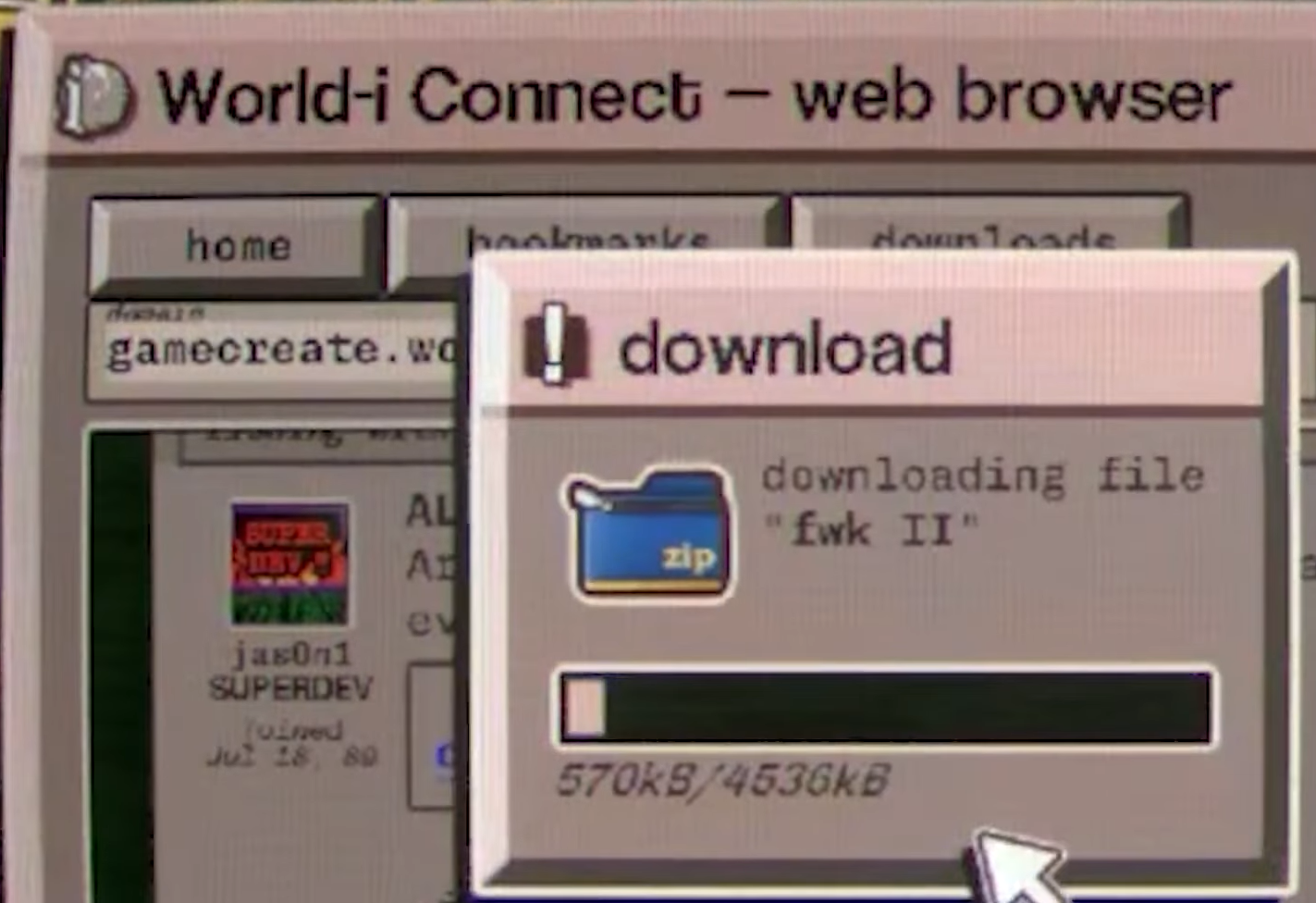
The game’s brilliant hook lies in its presentation. You, the player, boot up a faux-90s desktop environment, complete with a clunky operating system, obscure game forums, and the primary focus: an old, multiplayer Capture the Flag FPS prototype.
The title says it all: when you join a server, there are no players online.
The Vibe: The graphics are low-fi, pixelated, and reminiscent of Quake or similar ’90s shooters. The soundscape is just the echo of your own footsteps and the empty gunshots as you traverse the map’s long, desolate corridors. It perfectly captures the melancholy and unnerving atmosphere of a dead online world.
The Gameplay Loop: You’re tasked with the simple objective of capturing the flag. Do it once, and things start to feel… off. A strange chat message appears. A shadowy figure flashes in your peripheral vision. What begins as a game about loneliness quickly evolves into an investigation into the developer’s life and the sinister conspiracy hidden beneath the code.
More Than Just an FPS: The Desktop Environment
What truly elevates No Players Online beyond its horror roots is the deeply immersive desktop environment. This isn’t just a menu—it’s the whole experience.
The game encourages you to treat the computer like a real relic:
File Exploration: You’ll spend as much time digging through old files, text documents, and cryptic notes left by the previous owner as you will playing the FPS. These clues slowly piece together the dark story of a game designed for an unsettling purpose.
Soul Transfer: The full version introduces new features, like the “Soul Transfer” application, which allows you to merge games together. This mechanic is a key part of the narrative and adds a unique layer of puzzle-solving that keeps the unsettling experience feeling fresh.
Early Internet Aesthetics: From downloading games off a forgotten forum to the pixelated UI and deliberate graphical glitches, the game masterfully taps into a specific type of internet nostalgia that makes the horror feel uniquely contemporary and personal.
The Heart of the Horror
At its core, No Players Online is a surprisingly emotional ghost story. The developers, Beeswax Games, manage to build immense tension not just through jump scares, but through the overwhelming sense of dread that comes from invading a private, sorrowful digital space.
The central mystery revolves around a developer’s desperate attempt to use the game to connect with a lost loved one, trapping their soul in a chilling, endless loop. The narrative forces you to confront the ethics of your exploration and decide whether to respect the developer’s pleas or press on for the truth.
Our Take: If you enjoy narrative-driven horror, games with a strong retro aesthetic, or titles that make you feel like a detective unravelling a digital mystery (think Pony Island or The Stanley Parable), No Players Online is a must-play. It’s a succinct, smart, and genuinely unnerving experience that proves some of the scariest things are found not in sprawling open worlds, but in the forgotten corners of the internet.
Did you know the original 2019 prototype was a Game Jam success? The current full version expands the story significantly, delivering a rich, fully-realized vision that fans had been waiting years for.
In a world full of fast-paced action and massive multiplayer games, sometimes you crave something that truly makes you stop, think, and plan your every move. Enter: Dadum The Dice, an intriguing upcoming title that takes the humble die and turns it into the star of a deep, clever puzzle adventure.
Forget random chance—this game is all about intention, rotation, and strategy.
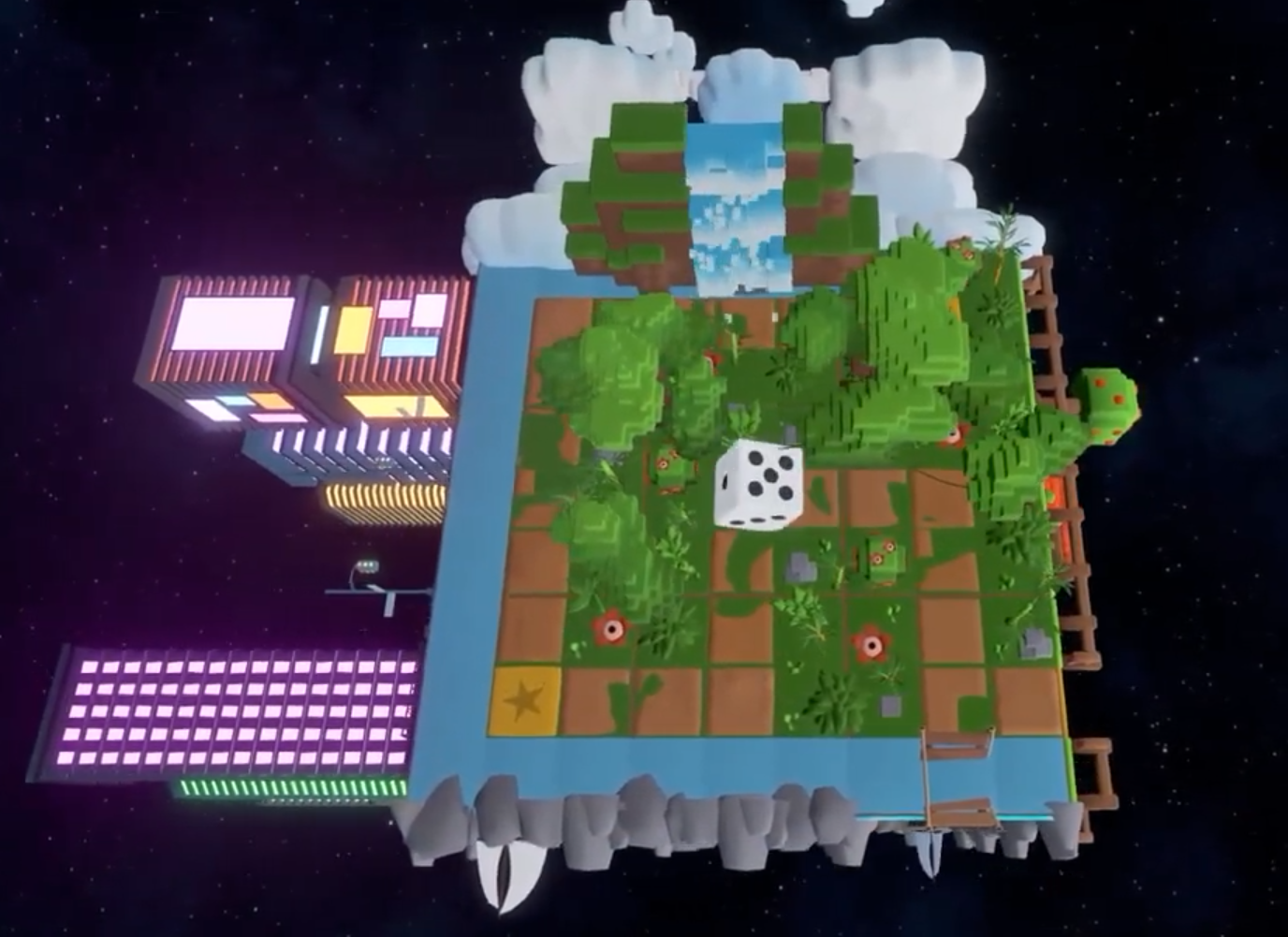
What Exactly is Dadum The Dice?Dadum The Dice is a 3D tactical puzzle game developed by solo indie creator Pablo Picazo. Set for release in 2026, it reimagines the puzzle genre by centering all mechanics around the manipulation of a single, sentient die named Dadum.The Core Mechanic: Rolling with Intention
The number displayed on the top face of the die isn’t just a decoration—it determines your possible actions, movement, and choices on a turn-based, grid-based map.
Move Smartly: Every rotation of Dadum is a decision. You’re not just moving from square A to square B; you are strategically rolling to ensure the right number is facing up for the next action.
Plan Ahead: Whether you’re clearing a path, defeating an enemy, or activating a special tile, success hinges on setting up your die faces for optimal use in subsequent turns. It’s like a combination of a block-sliding puzzle and a turn-based strategy game.
Why This Game Is Rolling a Natural 20
If you’re a fan of elegant game design and satisfying “aha!” moments, here’s why you should keep Dadum on your radar:Feature
The Dadum DifferencePuzzlesFocuses on clever, accessible design rather than frustrating trial-and-error difficulty.
ProgressionConstantly introduces new elements—special tiles, enemy dice, and unique bosses—keeping the experience fresh.
AestheticsFeatures a beautiful modern isometric style reminiscent of contemporary board game design.Strategy
No random chance—the die’s faces are a tool for intentional planning, not a roll of the dice!
Journey Through the Great Die
The adventure follows Dadum on a mission through handcrafted worlds to keep an ancient darkness from returning. The developers promise a game that is constantly evolving, with themed zones and new mechanics that challenge players to learn the terrain and outsmart roaming enemies piece by piece.
Each level is designed to be short and meaningful, rewarding players who observe the environment, plan their rotations, and discover the best sequence of moves.
Dadum The Dice looks to be a polished, strategic title perfect for players who love discovery, clean aesthetics, and puzzles built around smart mechanical twists. Keep an eye on this one—it’s going to be a captivating adventure!
Are you ready to face a new kind of terror? The survival horror genre is about to get a chilling new entry with The 9th Charnel, a first-person psychological horror game that promises an immersive, dread-filled experience. Developed by SAIKAT DEB CREATIONS and published by SOEDESCO, this game is poised to be one of the must-play horrors of the coming year.
Here’s a deep dive into the world of fanatical cults, forgotten rituals, and desperate survival that awaits.
The Story: Stranded in Darkness
The 9th Charnel thrusts players into a nightmare scenario rooted in a near-future world of corruption and lost hope. The narrative centers on Michael J. Jones, one of six intriguing characters whose intertwined stories you will uncover.
Michael and his colleagues—genetic scientists Sara Whitlock and Daniel J. Hart from The Epsilon Research Institute—find themselves stranded in a remote, secluded valley following a disastrous field expedition. What begins as a search for his missing friends quickly spirals into a terrifying confrontation with the valley’s dark history.
The core conflict: Michael must navigate a landscape crawling with fanatical cults, ancient forgotten rituals, and malevolent forces, all while grappling with the psychological toll of the terrifying events. Survival is not just about staying alive; it’s about uncovering a dark truth and confronting the demons, both monstrous and personal.
Gameplay: Stealth, Scavenge, and Survive
The game is described as a first-person psychological survival horror, blending mechanics that force players to be constantly on edge:
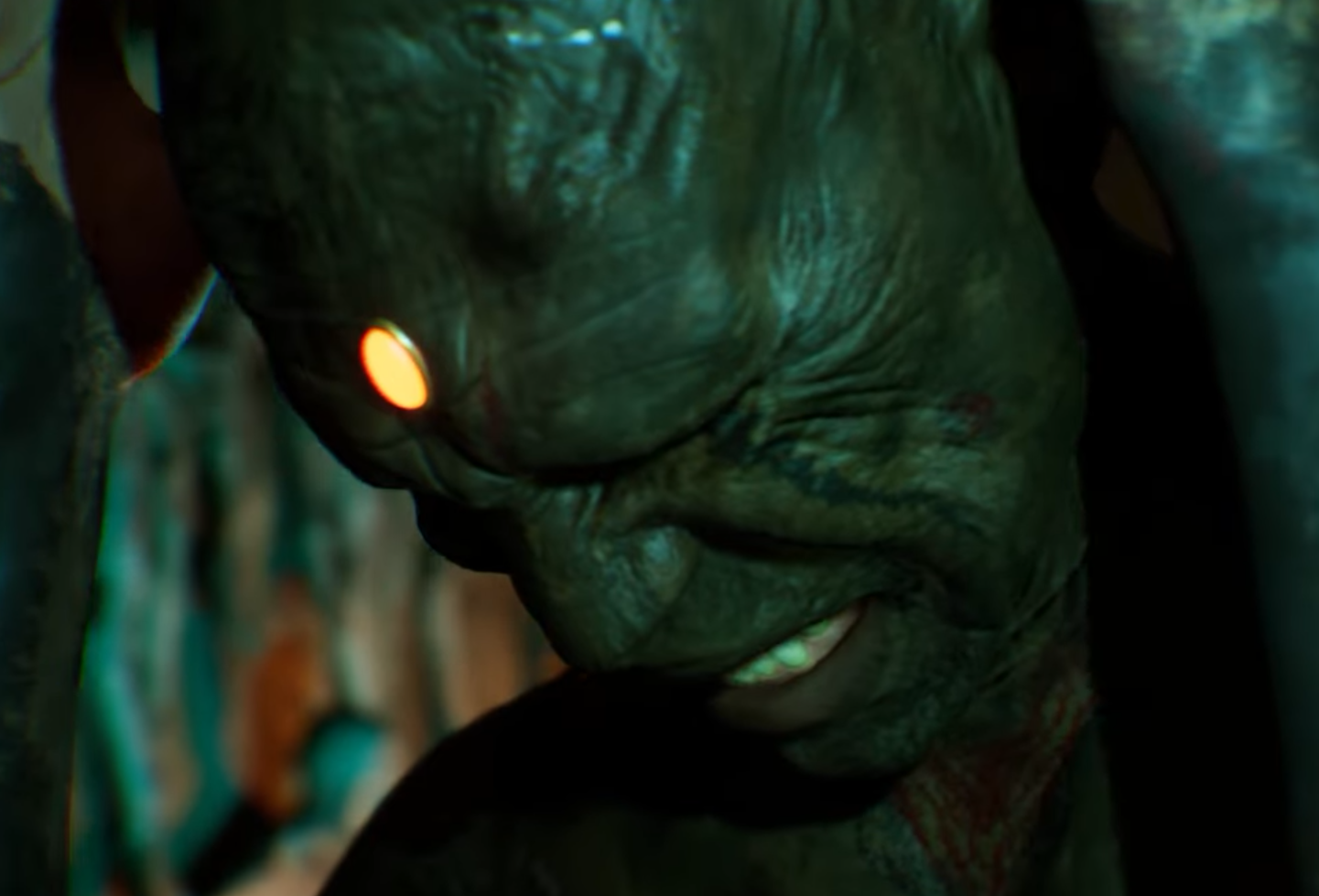
Stealth and Evasion: For much of the experience, the threats are “impossible,” requiring you to use cunning, stealth, and clever environmental navigation to avoid enemies. Every shadow is a potential hiding spot, and every sound could be a death sentence.
Resource Management: Survival hinges on your ability to scavenge supplies and carefully manage limited resources, forcing tough choices on when and how to use what you find.
Action-Survival Elements: While stealth is crucial, you will eventually gain access to weapons and be forced to stand your ground when the tension peaks and evasion is no longer an option.
Puzzles and Exploration: Expect to encounter various puzzles and challenges that test your problem-solving skills as you explore a world filled with hidden clues and forgotten lore, rendered with cinematically realistic graphics.
Why This Game is on Our Radar
Deep Narrative Focus: With six different compelling characters whose stories you unravel, the game promises a rich, emotionally gripping narrative that moves beyond simple jump scares.
Atmospheric Horror: The game emphasizes a “rich and frightening atmosphere,” aiming to prey on the player’s anxiety and sense of helplessness, a hallmark of truly effective psychological horror.
Indie Success Story: Developed by Saikat Deb Creations, an indie studio based in Assam, India, its global publication by SOEDESCO marks an exciting milestone, bringing a unique, homegrown vision of horror to a worldwide audience.
Release Date and Platforms
While the journey for Michael and his colleagues is set to be terrifying, the wait for players is almost over!
Planned Release:2026 (A physical release for consoles is currently slated for October 24, 2026)
Platforms: PC (Steam), PlayStation 5, and Xbox Series X|S.
For those who can’t wait, a playable demo has been made available on Steam, offering a taste of the stealth and puzzle-solving mechanics at the core of the experience.
Are you brave enough to descend into the madness of The 9th Charnel? Wishlist the game now and prepare yourself for one of the most intriguing psychological horror titles on the horizon!
There’s a new genre mashup cruising onto the scene, and it’s one that promises to be just as addictive for the passive player as it is for the meticulous strategist. We’re talking about The Loopler, an upcoming title that takes the satisfying progression of idle games and injects the strategic depth and high-stakes runs of a roguelite.
The Core Loop: Simplicity Meets Strategy
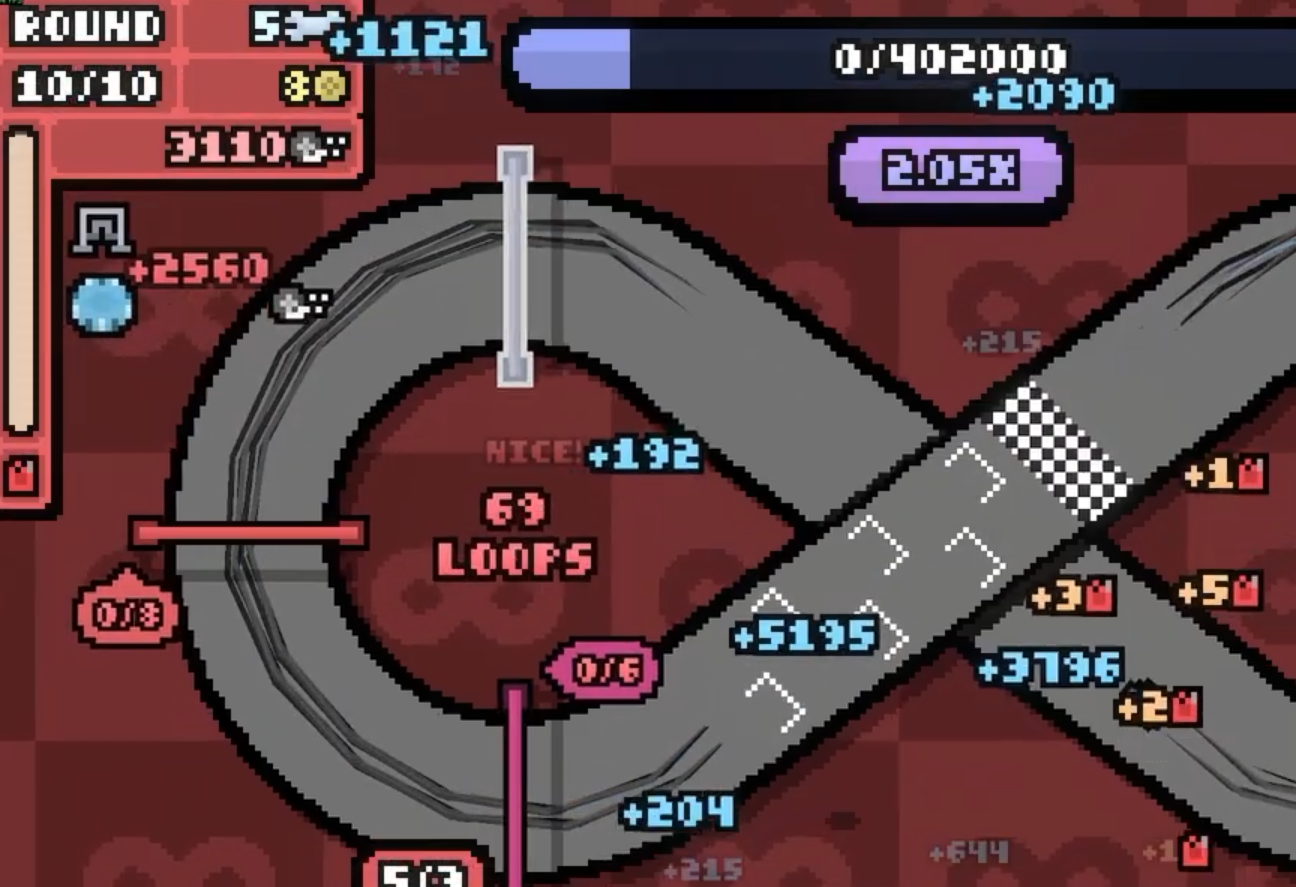
At its heart, The Loopler is all about efficiency and optimization. The premise is delightfully simple: you have a car locked onto a continuously looping track. The car drives itself, scoring points with every circuit. Your job isn’t to drive, but to optimize the loop.
What You Do
Upgrade & Build: As your car completes loops, you earn gold. You spend this gold on temporary, run-specific upgrades and by placing “gates” on the track.
Create Synergies: This is where the roguelite depth kicks in. Every upgrade and gate placement creates new opportunities and synergies. Will you focus on speed, point multipliers, or resource generation? Every run is a fresh chance to experiment with powerful builds.
Go Infinite (or Try To): The goal is to maximize your run for the longest, most efficient sequence of loops possible. It’s a strategic high score chase with an ultimate, elusive goal: an infinite run.
The Roguelite Twist
Unlike a pure idle game where progress is simply time-based, The Loopler adds a compelling layer of meta-progression:
Run-Ending Progression: After your car inevitably crashes or a run is manually ended, you take a special currency back with you.
Permanent Unlocks: This currency is used to unlock permanent upgrades that can appear in subsequent runs, ensuring that even a failed run makes you stronger for the next one.
Endless Replayability: With multiple cars (each with unique effects), different track layouts, and a massive pool of synergistic upgrades and gates, no two runs will feel the same.
Relaxed Automation or Active Planning? You Decide.
One of the game’s biggest strengths is its versatility in playstyle.
The Passive Player: Just want to chill? Let the game run in the background. Check in every few minutes, spend your gold, place a gate, and watch your optimized machine perform. It’s the perfect “something to do while doing something else” experience.
The Active Strategist: For those who love to min-max, the real fun is in the meticulous planning and timing. You can actively manage resources, time your upgrade purchases, and fine-tune your placement of gates to squeeze every last point out of the track.
Get Ready to Loop!
The Loopler promises a highly satisfying blend of strategic depth and relaxing automation. If you’re a fan of watching well-oiled systems work or love the progression loop of modern roguelites, this is one to watch.
The Loopler is currently scheduled for release on Steam in Q1 2026. Make sure to Wishlist it now so you don’t miss the start of the next great loop!
Tired of the same old dungeon crawlers? Prepare yourself for a mashup you didn’t know you needed: Bullethell Zeldalike Grumpy Jack! This upcoming title from VP Games (Vincent Penning, creator of Super Roboy) throws classic top-down adventure, Metroidvania exploration, and frantic bullet-dodging into a blender, creating a spooky, hilarious, and surprisingly deep experience.
It’s got a bizarre premise, a charming art style, and gameplay that promises to be both challenging and rewarding. Here’s a look at why Grumpy Jack should be high on your radar.
A Grumpy Hero on a Critical Quest
The story of Grumpy Jack is one of delightfully dry humor. You step into the boots of Jack, a hero who appears to be less-than-thrilled with his lot in life. His monumental task? He needs to track down Death’s missing coffee mug. Seriously.
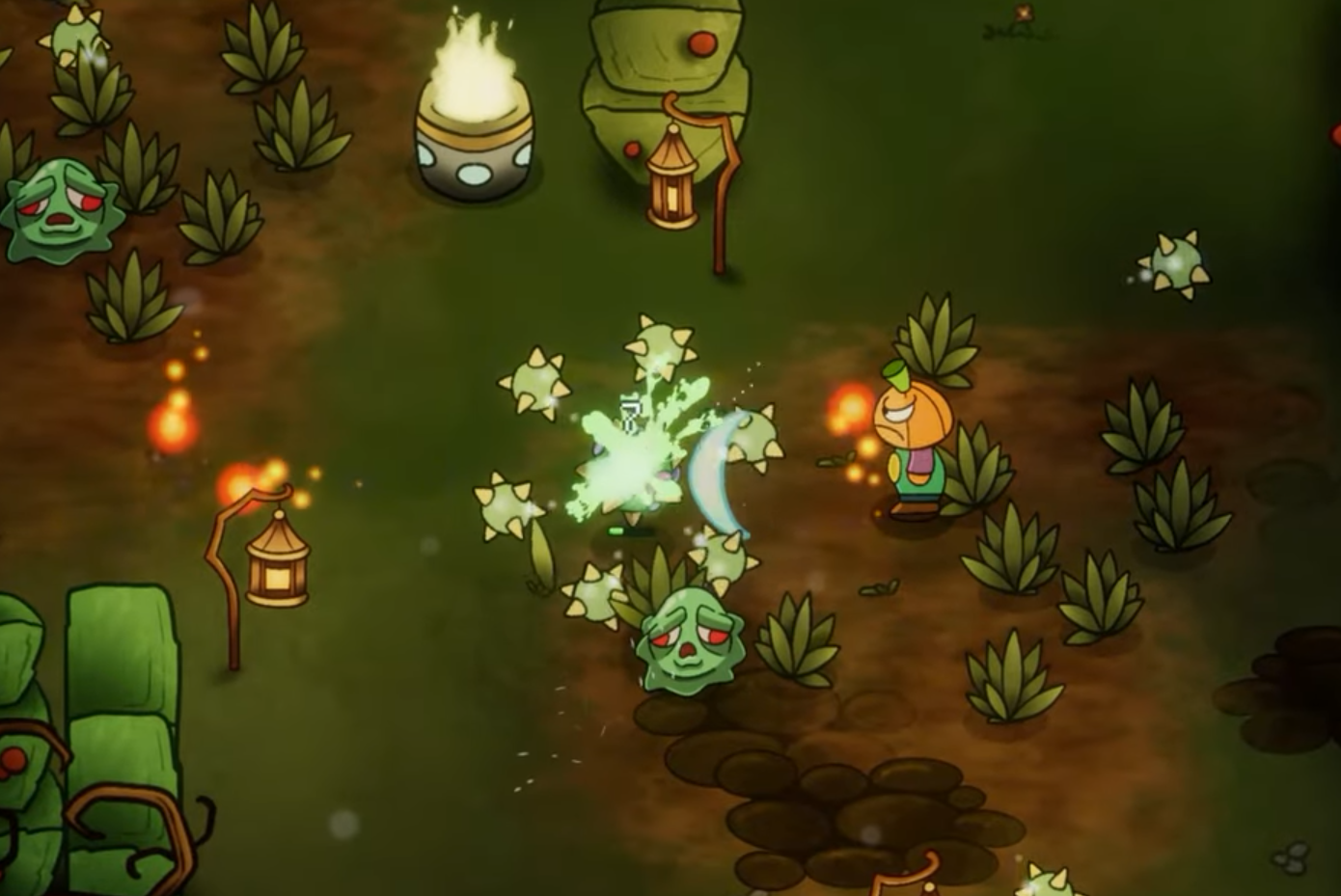
This seemingly simple fetch-quest drags Jack into a sprawling, interconnected, and delightfully spooky Halloween-inspired world. Along the way, you’ll encounter a cast of quirky characters, piece together a story full of odd surprises, and, of course, battle countless bizarre enemies. If you’re looking for an adventure that doesn’t take itself too seriously, this is it.
The Gameplay: Zelda Meets Danmaku
The real magic of Grumpy Jack lies in its genre fusion.
The Zeldalike/Metroidvania Core
Grumpy Jack embraces the top-down adventure style reminiscent of classic The Legend of Zelda titles. You explore a large, interconnected world with Metroidvania-style progression. This means you’ll constantly be unlocking new skills and abilities that let you access previously unreachable areas, encouraging backtracking and deep exploration of the map.
The Bullethell Twist
Where things get spicy is the combat. This is not your typical hack-and-slash; it’s a top-down bullethell experience. Enemies launch complex, screen-filling patterns of projectiles (known as danmaku in the bullet hell community) that you must expertly dodge and weave through. You’ll need fast reflexes and strategic movement to survive.
The blend is intriguing: you have the exploration and world-building of an adventure game, but the combat is a non-stop, high-octane frenzy. You’ll master a variety of skills, like an upgrade that lets you shield and deflect enemy bullets, turning the tables on your foes.
Hand-Crafted Halloween Charm
The game is brought to life in a rich, detailed 2D animation style. The setting is a whimsical Halloween-inspired world that feels unique and hand-drawn.
Every area promises to feel distinct, from forgotten corners to strange creature habitats. The art style perfectly complements the game’s oddball humor, giving the overall atmosphere a memorable blend of spooky and charming.
Custom Challenges for Every Player
The developer understands that not everyone lives for pure bullet hell punishment. Grumpy Jack features five difficulty modes, ranging from a more relaxed experience to the utterly relentless. This makes the game accessible to casual fans who want the adventure and humor, while still offering a brutal challenge for bullet hell veterans.
If you enjoy classic top-down exploration, bizarre adventures, and pulse-pounding, pattern-dodging action, keep an eye on Grumpy Jack. The new, extended demo is live on Steam right now, so you can try out the expanded content and see if you have what it takes to help Jack find that missing coffee mug!
Bullethell Zeldalike Grumpy Jack on Steam – https://shorturl.at/flEY5
Get ready to channel your inner space explorer and physics professor, because there’s a new first-person puzzler on the horizon that’s promising to bend your mind and reward your curiosity! Introducing Puzzle Parasite, the debut title from rising indie studio Wrenfall, a team composed of industry veterans aiming to pay tribute to the classics that defined the genre.
Mark your calendars: Puzzle Parasite is set to launch on Steam on December 3, 2025!
What is Puzzle Parasite?
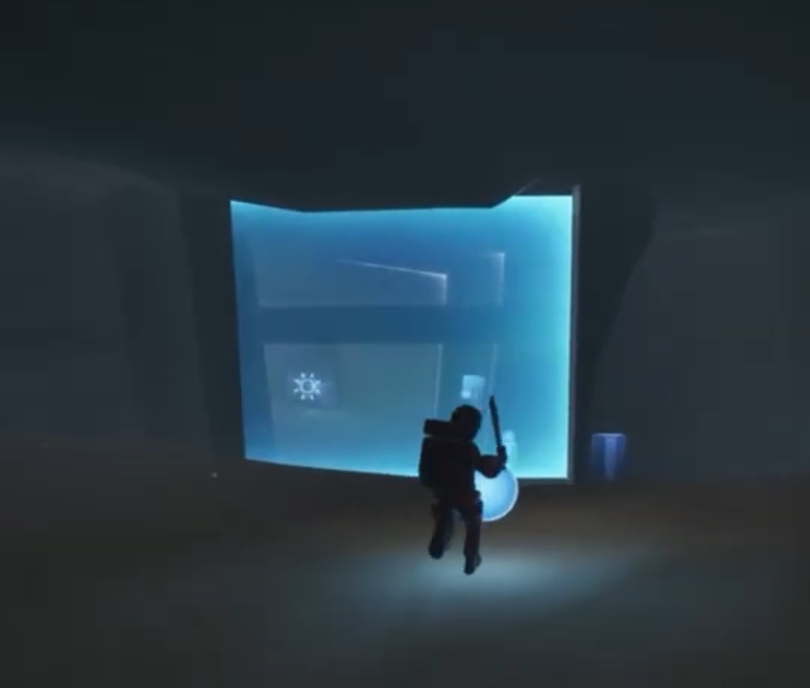
Set on a mysterious alien planet, this sci-fi adventure challenges you to navigate intricate ruins using logic, observation, and, oddly enough, a cricket bat! The core mechanic revolves around manipulating energy cores using your telekinetic powers and the trusty bat. You’ll need to send these cores flying, connect them to power alien technology, activate light bridges, and avoid lethal lasers to delve deeper into the planet’s secrets.
The developers cite legendary titles like Portal, The Talos Principle, and Antichamber as key inspirations, suggesting a deeply satisfying experience built around cause-and-effect problem-solving. This isn’t a game about combat or timed inputs—it’s about pure, clean, physics-driven logic.
Key Features That Have Us Intrigued:
Physics-Driven Puzzles: The game promises a series of handcrafted levels where every puzzle is intentionally designed to push the limits of your logical and creative thinking. Expect satisfying chain reactions as you figure out the precise movements needed for those pesky energy cores.
Solo or Co-Op Campaigns: Whether you’re a lone genius or a collaborative problem-solver, Puzzle Parasite has you covered. It features a complete single-player path and a unique, dedicated two-player co-op campaign. The co-op mode is built from the ground up for collaborative play, making communication and timing essential to success.
A Handcrafted Homage: Developed by veterans from studios like Playdead, Ubisoft, and IO Interactive, the game is a “love letter” to the great puzzle games of the past. The focus is on a curated experience where you’ll be continually surprised and delighted by new mechanics.
Minimalist Sci-Fi Aesthetic: The visuals are clean and minimalist, ensuring the focus remains squarely on the environmental puzzles and first-person interactions.
Get Ready for the Launch
With a scheduled release date of December 3rd, the anticipation is building. If you’re looking for a fresh challenge that scratches that old-school logic puzzle itch—but with a distinctly quirky sci-fi twist (and a cricket bat!)—then Puzzle Parasite is definitely one to watch. The team has been actively updating their demo based on community feedback, which shows a dedication to polish and accessibility, even adding features like “Skip Tokens” for those extra knotty puzzles.
Ready to see how deep the rabbit hole goes?
Are you excited for Puzzle Parasite? Let us know which classic puzzle game is your favourite inspiration in the comments below!
In the crowded landscape of indie games, it takes a truly unique mechanic to stand out. Enter Timelie, a stealth-puzzle adventure that doesn’t just feature time travel—it makes it the core of its gameplay, turning every mistake into a learning opportunity and every level into a perfectly choreographed dance.
Developed by Urnique Studio, Timelie is more than just a beautiful game; it’s a brilliant exercise in patience, planning, and teamwork. If you love games that make you feel genuinely smart, it’s time to rewind your schedule and pick this one up.
The Star Mechanic: The Timeline Scrubber
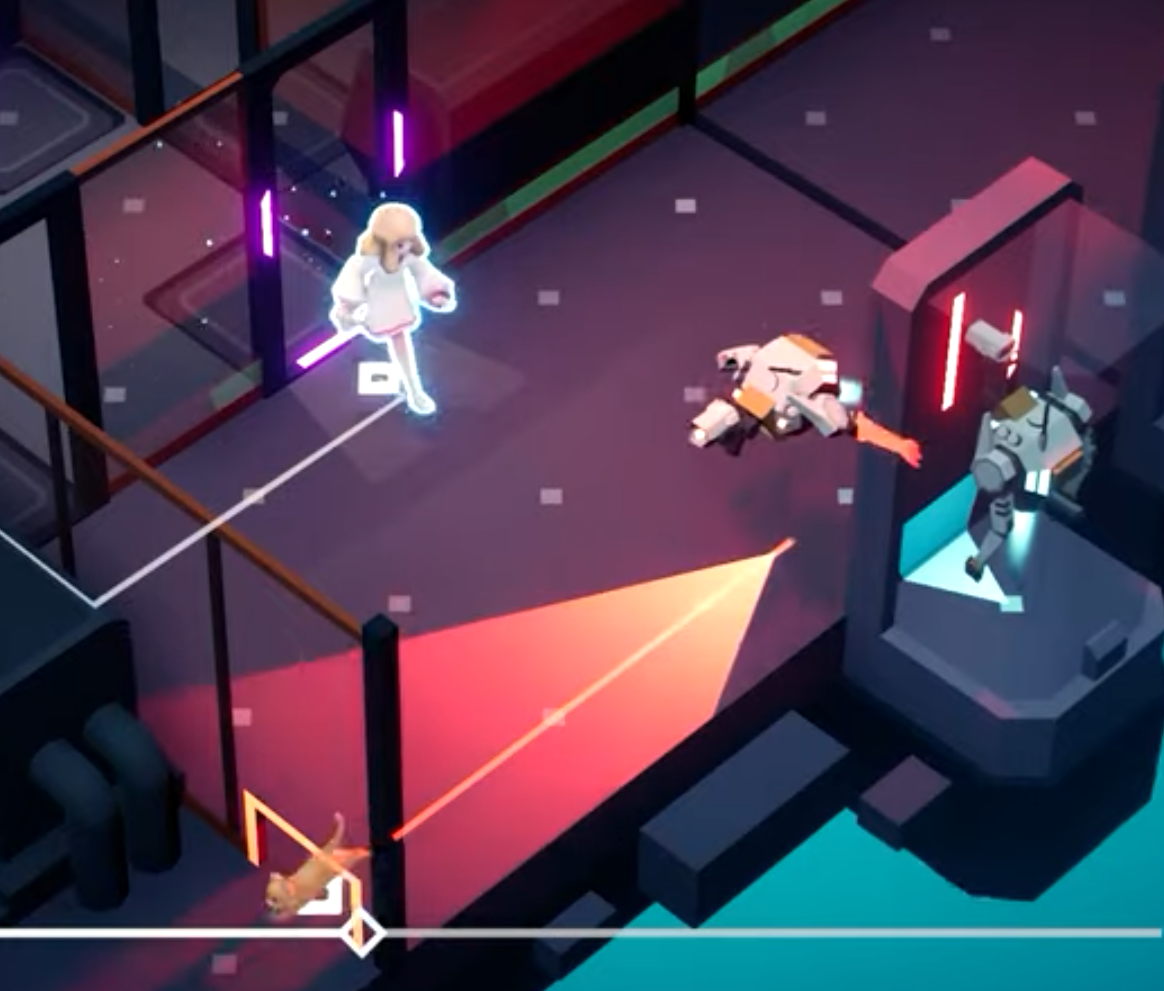
The most distinctive feature of Timelie is its time control system, which feels instantly familiar yet revolutionary in a game context. At the bottom of the screen, you have a timeline, just like a video player. You are free to drag this timeline backwards
and forward, effectively controlling the flow of time within the level.
Rewind to Fix: Made a wrong turn? Got spotted by a patrolling robot? Simply drag the timeline back a few seconds to before the mistake, then issue a new command. Failure is completely non-punitive, encouraging endless experimentation.
Fast-Forward to Plan: Before you even move, you can fast-forward time to observe the precise patrol patterns of the robotic guards. This power of precognition is essential for plotting the one perfect path to the exit.
This mechanic transforms a normally high-stress stealth game into a relaxed, cerebral experience. The rush isn’t from executing a split-second move; it’s from designing the perfect, intricate sequence of actions.
A Girl, A Cat, and Cooperative Stealth
Your journey begins as a young, unnamed girl who awakens in a strange, surreal facility guarded by hostile robots. Soon, you meet a silent, adorable cat companion, and the game’s difficulty—and its genius—is elevated to a new level.
Now, you must control both characters simultaneously, switching between them to coordinate their movements and use their unique abilities:
The Girl: Can interact with keypads and use collected ‘Charge Orbs’ to repair broken bridges or even temporarily destroy robot guards.
The Cat: Can fit through small vents that the girl and robots cannot, and, most importantly, can meow to distract nearby enemies, pulling their attention away from the girl’s escape route.
Success in Timelie requires perfect, synchronised teamwork. You’ll use the cat to lure a robot out of a hallway, quickly switch to the girl to slip past, and then have the cat sneak through a vent to open a door on the other side. The moment you execute your plan flawlessly and watch the characters weave their way to the exit is incredibly satisfying.
Style and Substance
Timelie wraps its clever mechanics in a simple yet striking aesthetic. The environment is abstract, often dark and monochromatic, which makes the brightly colored characters and the glowing red gaze of the robots really stand out.
While the story is minimal—told mostly through evocative, dialogue-free cutscenes and cryptic symbols—it’s enough to motivate the escape and build an unexpected, heartwarming bond between the two protagonists. Ultimately, the game is about the journey, the puzzles, and the reward of mastering time itself.
Final Verdict: Should You Play It?
If you are a fan of puzzle games like Braid, Portal, or anything that rewards strategic thinking over reflexes, absolutely yes.
Timelie is a polished, intuitive, and deeply rewarding experience that proves a game doesn’t need complex controls or a convoluted plot to be a masterpiece of design. It’s an indie gem that offers a unique twist on the stealth genre, making you the architect of your own escape.
Privacy & Cookies: This site uses cookies. By continuing to use this website, you agree to their use. To find out more, including how to control cookies, see here: Cookie Policy.