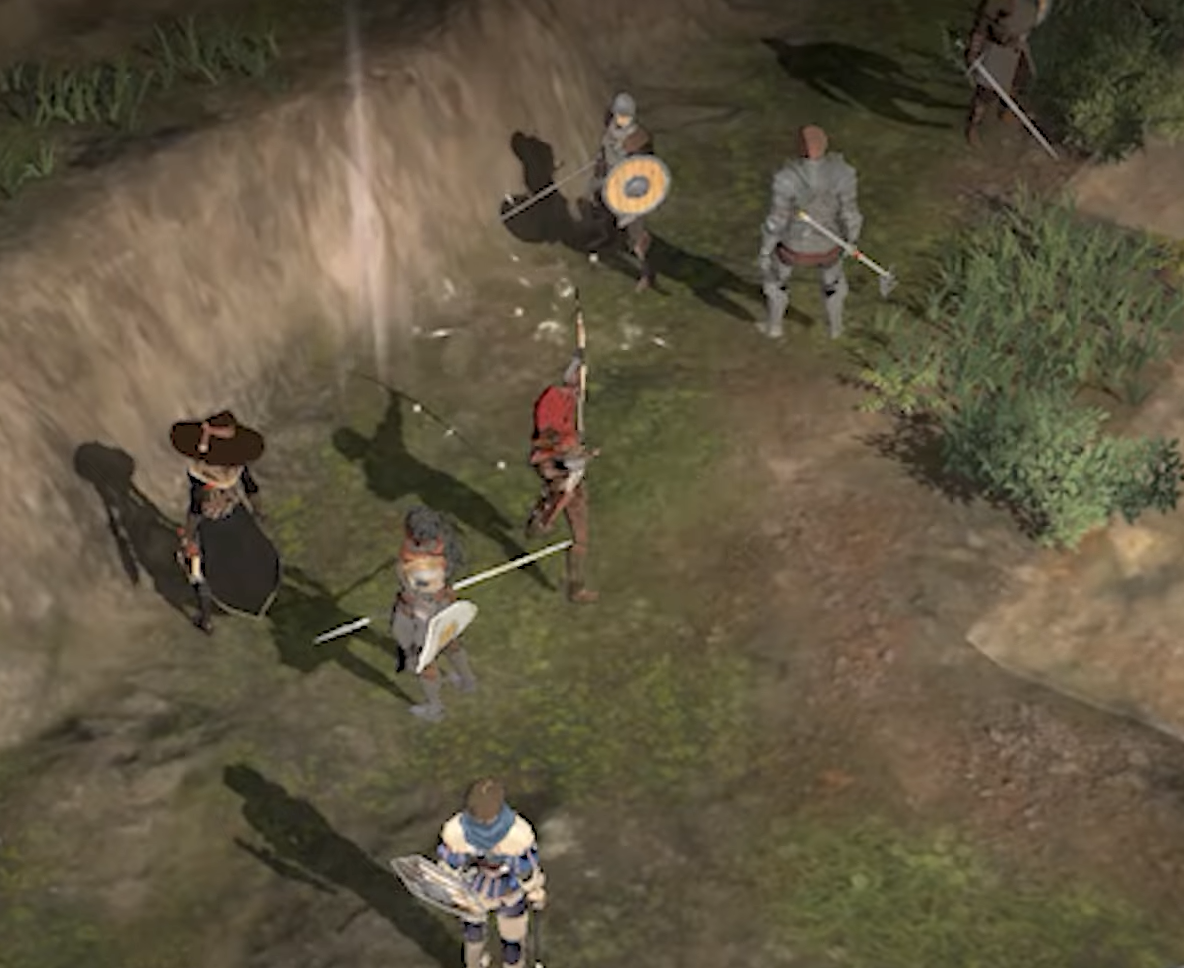
Tacticians, it’s time to return to the island! The massive Update 1.2 for Lost Eidolons: Veil of the Witch has officially arrived, bringing a host of new features, power-ups, and quality-of-life improvements to sharpen your strategy.
Whether you’re a seasoned survivor or a fresh soul on the shores, here is what’s waiting for you in the latest patch:
What’s New in Update 1.2?
Blessed Relics System: Take your gear to the next level! You can now obtain Blessed versions of Relics—more powerful variants with boosted effects or removed penalties.
New Talent Skills: Every character just got a major power spike! We’ve added two new Talent Skills per hero: one to boost core attributes and another to trigger those game-changing Partnership effects more often.
The Morale Boost System: Tired of leaving units behind? Now, characters who sit out of an expedition have a chance to gain “Ambitious” or “Enthusiastic” buffs, giving them extra skills and stat boosts for the next run!
Chaos Encounters: We’ve replaced Random Encounters with the new Chaos system, offering more unpredictable rewards and unique dice-roll bonuses.
Combat Streamlining: We heard your feedback! Combat is now faster and punchier, with adjusted enemy counts and snappier dialogue so you can focus on the tactics.
Hotfix 1.2.13: We also just pushed a small follow-up patch to fix a bug with the Executioner passive and improve localization clarity.
Available Now On: PC (Steam), PlayStation 5, Xbox Series X|S and Nintendo Switch
Ready to defy death again? Jump back in and show the Witch what her Champion can really do!
Find out more here – https://kakaogames.com/en-us/Lost_Eidolons_Veil_of_the_Witch/
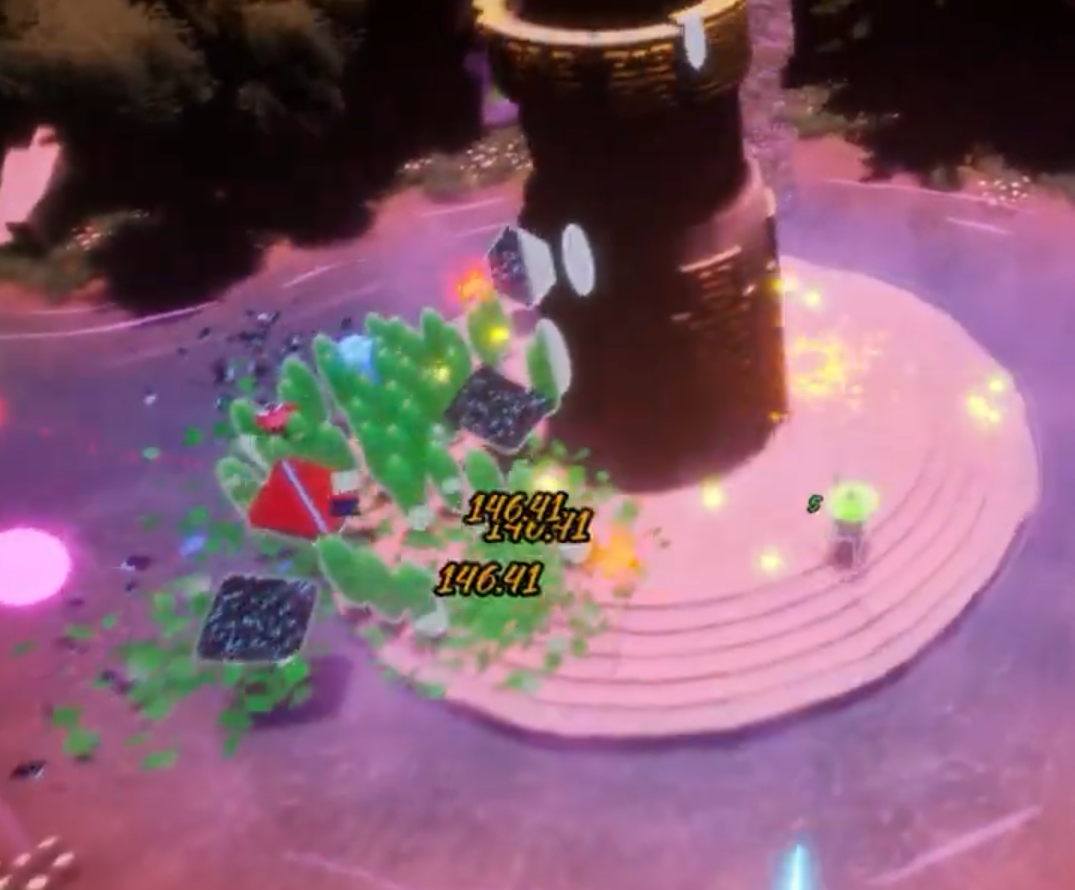
The world is shifting. The trials are infinite. Only the most strategic Mages will survive the loop.
Do you have what it takes to reach the centre of the Infinite Trials?
Master the elements, break the cycle, and survive the ever-changing gauntlet in LoopMage: The Infinite Trials. Every loop makes you stronger—but the trials only get harder.
How many loops can you survive before the chaos takes over?
Developed by Evil Empire—the masterminds behind years of Dead Cells content—this roguelite spin on the legendary franchise is a match made in heaven for the Switch’s handheld mode. If you’ve been waiting to take the Prince’s latest acrobatic adventure on the go, here is everything you need to know.
A New Kind of Prince
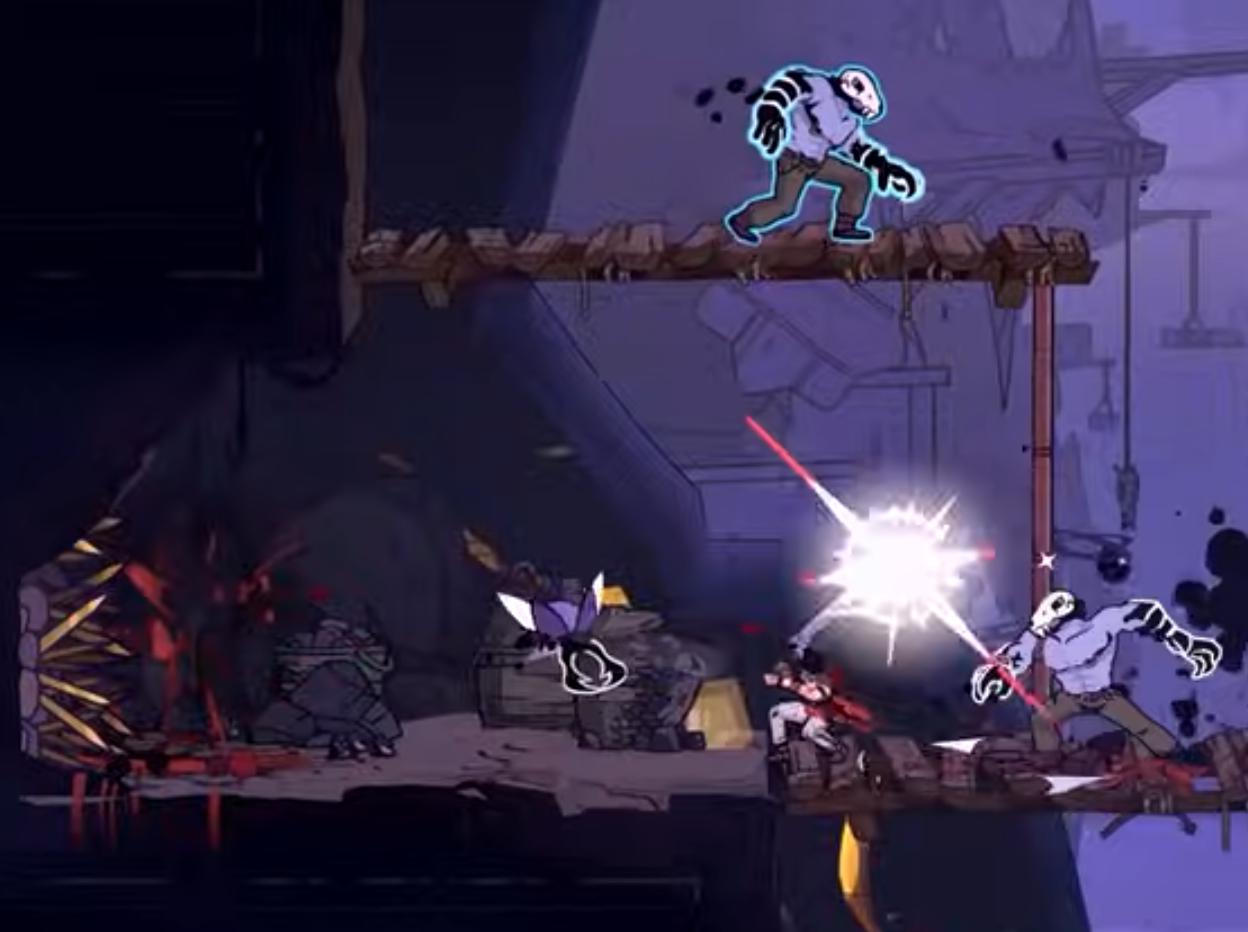
Unlike the Metroidvania-style The Lost Crown from earlier this year, The Rogue Prince of Persia is a fast-paced, 2D action-platforming roguelite. You play as a new version of the Prince, trapped in a time loop thanks to a mystical bola, fighting to save the city of Ctesiphon from a shamanic Hun army.
Key Gameplay Pillars:
Parkour-First Combat: Agility is your best weapon. You’ll wall-run on background structures, vault over enemies, and dodge traps with a level of fluidity that feels like a 2D evolution of the classic Sands of Time parkour.
The Medallion System: Each run allows you to equip and upgrade “Medallions”—relics that provide passive buffs and elemental synergies. You can set enemies on fire, leave oil slicks, or boost your speed as you chain combos.
Procedural Persia: Every foray into the city is different. The levels are procedurally generated, meaning the layout of the biomes and the placement of the 100+ unlockable weapons change with every death.
Why It’s Perfect for Switch
The game’s transition to Nintendo’s hybrid console is more than just a port; it feels like the game’s “true home.”
Handheld Optimisation: Evil Empire has optimised the game specifically for the Switch and the newly released Switch 2. The vibrant “ligne claire” art style (reminiscent of French-Belgian comics like Tintin) pops beautifully on the OLED screen.
The “One More Run” Factor: The roguelite loop is designed for short bursts. Whether you have 15 minutes on a commute or two hours on the couch, the quick sessions make it incredibly easy to pick up and play.
Full 1.0 Content: Switch players are getting the complete package from day one, including all the biomes, weapons, and narrative acts added during the game’s PC Early Access period.
Physical Collectors, Take Note!
While the digital version is available on the eShop right now, fans of physical media have something special to look forward to next year. U&I Entertainment will be launching physical editions on April 10, 2026.
Edition
Includes
Standard Edition
Physical game card and base game.
Immortal Edition
SteelBook case, double-sided poster, and art cards that form a world map.
The Verdict
If you loved Dead Cells for its tight combat or The Lost Crown for its platforming, The Rogue Prince of Persia is an essential addition to your Switch library. It trades the massive exploration of a Metroidvania for the addictive, high-stakes adrenaline of a roguelite, all while maintaining that unmistakable Prince of Persia flair.
The Rogue Prince of Persia is available now on the Nintendo eShop.
Next Step: Would you like me to compare the gameplay mechanics of The Rogue Prince of Persia with The Lost Crown to help you decide which one to play first?
Prince of Persia – https://www.therogueprinceofpersia.com/
Cellar Door Games, the acclaimed studio behind the Rogue Legacy series, is back with a darkly ambitious new project: Neath. Forget charming heroes and familiar fantasy—this is a journey into a world warped by cosmic horror, where you must defy a fickle god within a terrifying, inverted tower. Get ready to have your tactical RPG expectations flipped upside down.
The Twisted Setting: An Inverted Tower and a Fickle God
The world of Neath is one of decay and darkness, but its most defining feature is the inverted, irradiated tower that plunges downward into the earth from above. This is your challenge—to ascend this colossal, corrupt citadel.
The Tower of Neath: Unlike typical high fantasy, this environment is a place of Eldritch dread, filled with grotesque creatures and a pervasive sense of fear.
The Divine Decree: Taboos: The tower is governed by a capricious, undivine being whose ever-changing laws, known as Taboos, constantly rewrite the rules of each run. One expedition might punish a specific attack type, while the next might make all healing impossible. You must adapt your strategy on the fly, or perish.
Deeper Combat: A Fluid Tactical Roguelike
Cellar Door Games is taking a significant step out of their comfort zone with Neath, moving into the tactical RPG genre, but with their signature roguelike twist.
Key Mechanical Innovations:
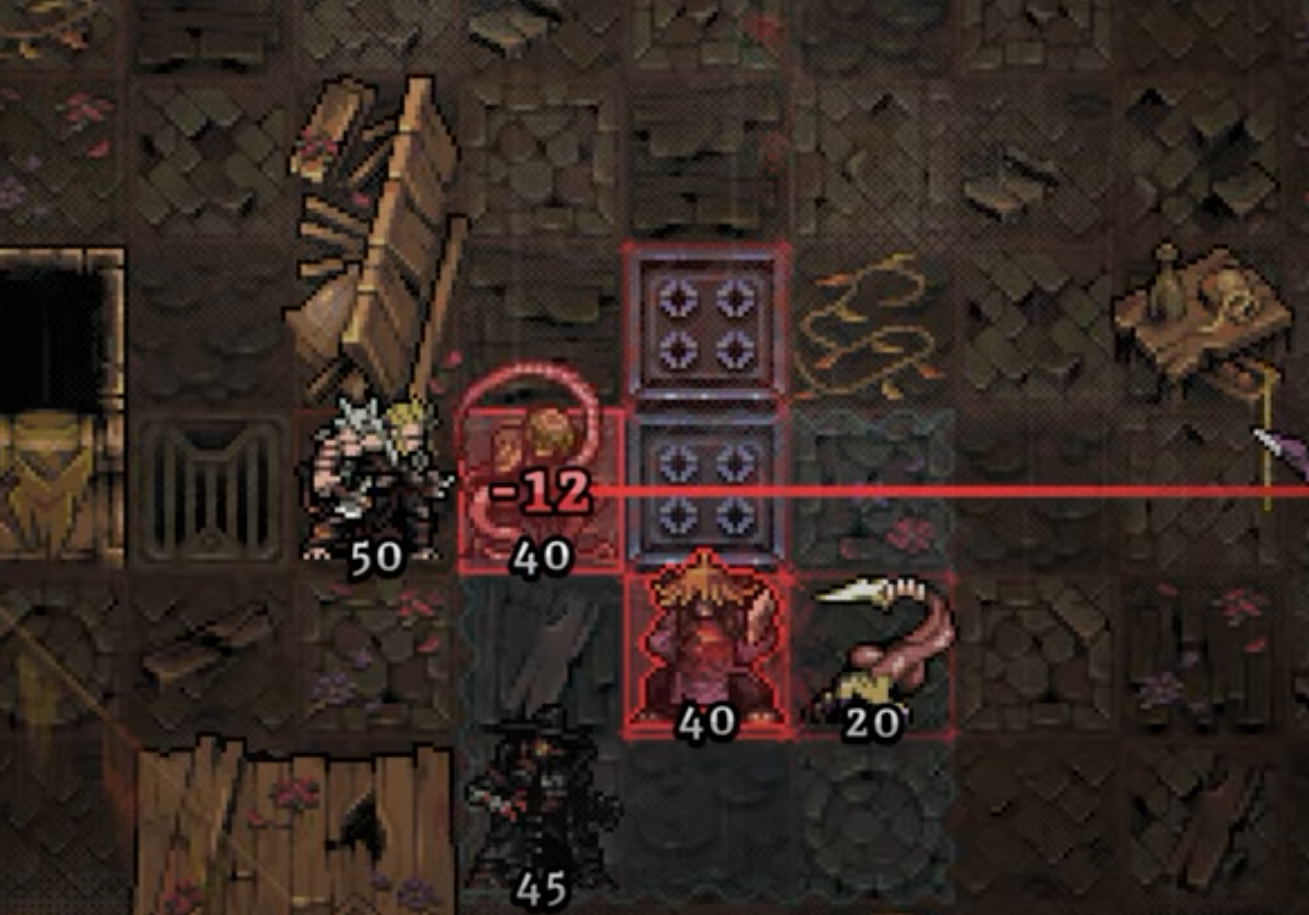
Fluid Turn Order: The order of turns is always shifting. A core part of the strategy is manipulating this order, dictating the actions of both your warriors and your enemies.
“Engagement-Locking”: When an enemy targets one of your “fragile warriors,” that teammate is gripped by fear and locked in place. Your primary goal is to disrupt the foe—knocking them away, shoving an ally to safety, or making a sacrifice—to save your party member before the enemy attack resolves. This turns every encounter into a tense, desperate puzzle.
Party Building: You’ll recruit a band of warriors throughout each run, each bringing new abilities and esoteric synergies. Building the right combination of skills to handle the ever-shifting Taboos is crucial for survival.
Inspiration: The developers cite deep inspiration from both video games like Into the Breach and tabletop games like Mansions of Madness, promising a fresh, darker take on the genre.
Roguelike & RPG Progression
Like its Rogue Legacy predecessors, Neath will feature persistent elements that make each failure feel like a step toward success.
Defy Fate: You can use “Fate’s Die” to interact with the gods, trigger special events reminiscent of classic 90s dungeon-crawlers, and even reshape your destiny. Be warned: playing games with providence always has a consequence.
Shape Your Settlement: The humble town of Shale serves as your hub. You can invest resources and manage a serfdom to unlock new skills and customize your playstyle before each perilous climb into the tower.
Neath is currently planned for release in 2026 and has already captivated fans of both tactical RPGs and cosmic horror. It promises a challenging, dark, and endlessly replayable experience where the rules are constantly changing, and the only constant is the pressure to survive.
Ahoy, deckbuilders! The high seas call once more, and this time, Fabled Game has delivered an adventure even grander than the last. Pirates Outlaws 2: Heritage, the sequel to the beloved roguelike deckbuilder, is here (currently in Early Access on Steam!), bringing with it a tide of new mechanics, stunning visuals, and endless replayability.
If you’re a fan of Slay the Spire, Monster Train, or the first Pirates Outlaws, grab your cutlass and prepare to chart a new course.
More Freedom, More Treasure: A Sea of Changes
While the core loop of fighting, looting, and deck-building remains, Heritage has introduced a number of fresh features that make for a deeper, more strategic voyage.
Open-Sea Navigation: Say goodbye to the linear path of the past. You now have more freedom to explore the map, revisiting islands, stopping at taverns for supplies, or trading at markets. This adds a crucial layer of route planning, as you must manage your precious rations (which look suspiciously like rum!) and decide if chasing that elite enemy is worth the time and supplies.
Hero, Class, and Companion Synergy: Customization has exploded! You start in your New Elysia mansion, choosing a Hero, an accompanying Class, and a new Animal Companion (who adds their own unique cards to your deck). This three-way combination allows for a vast number of starting strategies, encouraging experimentation right from the jump.
The Card Evolution Tree: Finding three copies of the same card isn’t just about upgrades anymore—it’s about evolution. You get to choose between two different evolution paths, allowing you to fine-tune your deck with enhanced effects, scaling damage, or utility. This is a game-changer for deck optimization.
Enhanced Combat Countdown: The turn-based combat is sharper than ever. A new countdown system is tied to your card plays, determining when the enemy will act. Mastering this mechanic is key to survival, adding a layer of tactical finesse to every encounter.
A New Coat of Paint (and a Whole Lot of Personality)
One of the first things veterans of the series will notice is the striking visual upgrade. The faceless, stylized graphics of the original have been replaced by gorgeously illustrated, vibrant characters that are bursting with personality. The world feels more alive, supported by an atmospheric, orchestral soundtrack that perfectly sets the scene for a grand pirate adventure.
Is It Worth Setting Sail?
While the game is currently in Early Access (meaning some initial features like the tutorial might be a little rough around the edges), it is already impressively stuffed with content:
250+ cards and 90+ relics to discover.
Multiple heroes with numerous classes and companions.
The challenging Arena Mode for combat purists.
Long-term progression systems like the Heritage Talent Tree and the Black Market to banish unwanted cards.
Pirates Outlaws 2: Heritage takes a well-loved formula, injects it with a huge amount of depth, and wraps it all up in a beautiful, thematic package. It’s a compelling, one-more-run experience that will hook any fan of the roguelike deckbuilding genre. It manages to feel familiar yet distinctly new—a true “seaquel” that deserves its spot on your Steam or mobile wishlist.
Have you played the first Pirates Outlaws? What mechanic are you most excited to try in Heritage?
Tired of the same old deck-builders and predictable roguelikes? A new challenger has entered the arena, promising a dark science-fantasy tale wrapped in clever auto-battler mechanics. Get ready to lose yourself in the fading, ruined kingdom of Holder of Place.
This game, developed by Ardent Fields, has been gathering buzz for its unique mix of strategy, card mechanics, and atmospheric storytelling. Here’s why this indie gem should be next on your wishlist!
A Fresh Spin on the Auto-Battler
At its core, Holder of Place is a roguelike auto-battler card game. Yes, that’s a mouthful, but the gameplay loop is surprisingly addictive and easy to grasp, yet deeply strategic:
Recruit Your Crew: As you venture into the fading realm, you’ll encounter and recruit over 150 unique follower cards and trinkets. These aren’t just generic units; they come with distinct traits and synergies that form the bedrock of your strategy.
The Strategic Arrangement: Once you have your party, your main job is arrangement. Positioning your followers is critical. Do you put your tanks up front? Arrange your units to trigger powerful chain reactions? This simple grid-based placement system is where the true depth of the game lies.
Watch the Fight Unfold: Once arranged, you watch the battle auto-resolve against increasingly powerful adversaries, beasts, and past nemeses. The combat is fast-paced, forcing you to think quickly about your next recruitment or placement opportunity.
It’s a game where you manage the machine, then let it roar.
Unfold a Dark Science-Fantasy Tale
Unlike many pure mechanical roguelikes, Holder of Place weaves a genuinely intriguing narrative into its randomized runs.
You are a Wanderer sent deeper into a realm shrouded in a primordial gloom, an ominous darkness unleashed by a young dragon. Your goal is to reach the heart of the kingdom and halt the spread of this consuming dark.
Along the way, you’ll unearth secrets about a long-dead kingdom, your own past life, a lost love, and the true origins of the terrifying Dragon. The world is a strange blend of dark fantasy and sci-fi elements, promising a lore experience that rewards repeated play.
Pro-Tip: Make sure to pay attention to the event opportunities and unique locations—they are your gateway to uncovering the deepest, darkest secrets of this ruined world!
Challenge and Variety: The Endless Night
If you love a true challenge, Holder of Place delivers. Every run is a journey through a strange and fading realm, where your choices on follower recruitment, strategic arrangement, and unpredictable events dictate whether you survive to the next depth.
For veterans looking to push their builds to the absolute limit, the Reliquary Mode offers an ever-changing challenge designed for experienced players. Once you’ve defeated the Dragon, you can also test your perfect team in Endless Mode, where enemies scale exponentially faster, forcing you to craft truly immortal, game-breaking synergies.
Holder of Place offers an engaging and deeply replayable experience that will appeal to fans of roguelikes, card games, and atmospheric dark fantasy. It manages to feel polished and unique, proving that the auto-battler genre still has plenty of strategic ground left to cover.
Have you already tried the demo or played the early access version? What was your most powerful follower combo? Let me know in the comments!
Holder of Place on Steam – https://shorturl.at/iS4vZ
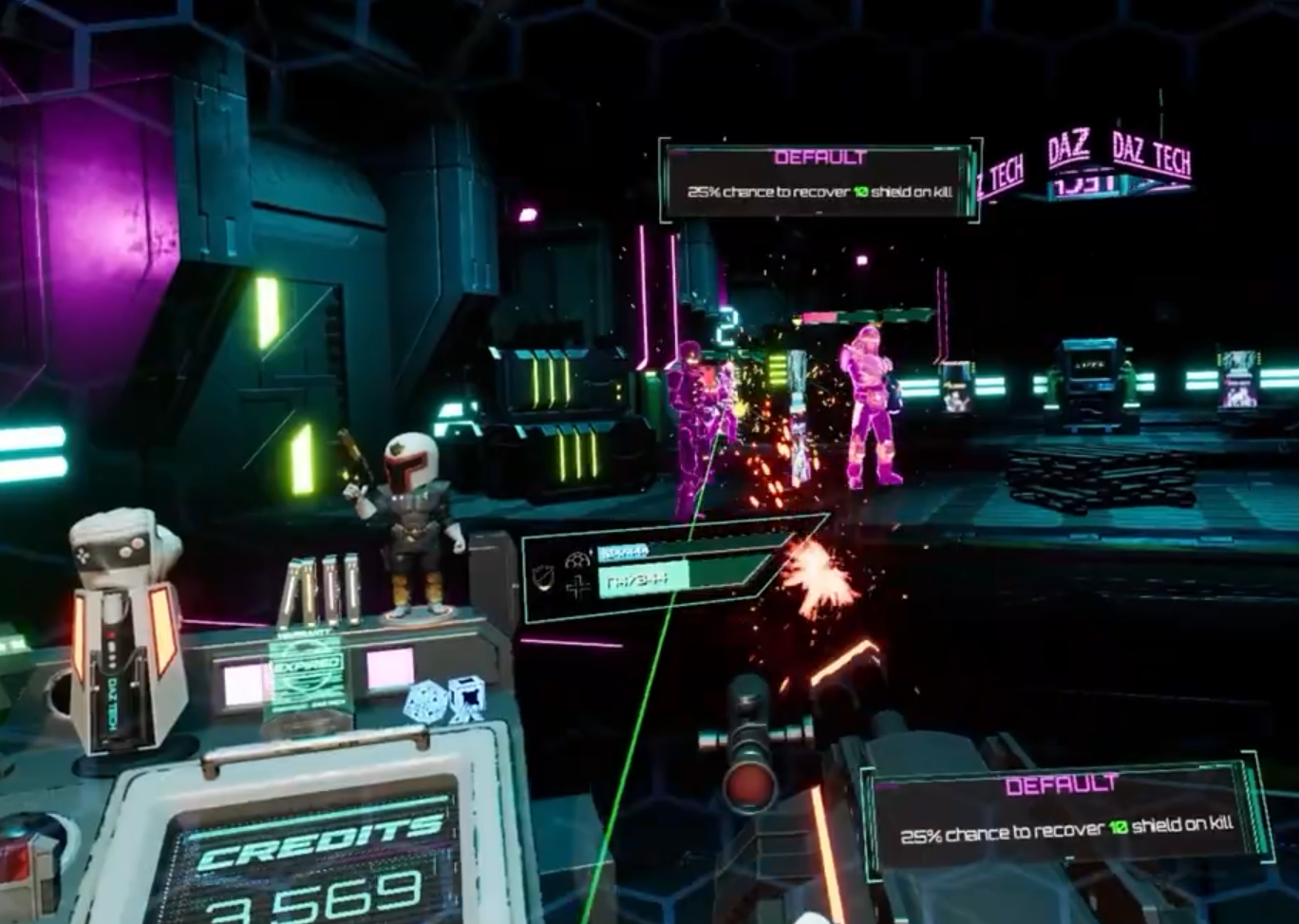
Get ready, VR enthusiasts, because there’s a new game in town that’s about to electrify your senses and test your reflexes: Neon Overdrive VR! I’ve spent the last few days completely immersed in its vibrant world, and let me tell you, this is a title you absolutely do not want to miss.
From the moment you strap on your headset, Neon Overdrive VR plunges you into a breathtaking futuristic city, bathed in the glow of a million neon lights. Think Blade Runner meets Tron with a healthy dose of high-octane action. The art style is simply stunning, with every building, vehicle, and even the smallest detail popping with an almost tangible luminescence.
The core gameplay loop is an addictive blend of rhythm-based action and intense racing. You’re piloting a sleek, customizable hoverbike through gravity-defying tracks, all while dodging obstacles, performing daring stunts, and timing your boosts to the pulsating synthwave soundtrack. And what a soundtrack it is! The music isn’t just background noise; it’s an integral part of the experience, driving the pace and making every perfectly timed maneuver feel incredibly satisfying.
One of my favorite aspects is the sheer sense of speed and freedom. Leaning into turns, feeling the wind (virtually, of course!) rush past, and executing perfect drifts feels incredibly intuitive and responsive. The developers have truly nailed the locomotion, making it one of the most comfortable and immersive VR racing experiences I’ve had.
So, what are you waiting for? Fire up your engines, crank up the synthwave, and prepare for a joyride into the neon-drenched future. You won’t regret it!
Have you played Neon Overdrive? What are your favorite vehicles or tracks? Share your high scores in the comments below!
In the world of indie games, where massive open worlds and cutting-edge graphics often dominate the conversation, there is a quiet beauty to the narrative-focused, pixel-art experience. This is precisely what solo developer Guanpeng Chen delivers with his newest project: “In Search of the Ice Pop.”
Just announced with its Steam page launch, this short visual novel promises to be a poignant journey back through time, exploring themes of modern melancholy, forgotten connections, and the powerful pull of a simple childhood memory.
The Premise: An Unexpected Nostalgia Trip
The game’s setting is a suffocating summer night in modern society. We follow the life of a young, aspiring writer grappling with a sense of hopelessness. It’s on his way to a convenience store shift—a common, almost mundane experience—that a memory strikes him: a forgotten ice pop, and the “big sis” who took him to the arcade some 15 years ago.
This is the core of the quest. It’s not an epic adventure, but a deeply personal, internal one: Where is she now?
The narrative is positioned as “a story of modern melancholy,” suggesting a gentle, perhaps bittersweet exploration of adult disappointment contrasted with the bright, vivid simplicity of youth.
The Vibe: Pixel Art Meets Strong Narrative
Guanpeng Chen is no stranger to crafting powerful stories through pixel art, having previously released the “pixel art × strong narrative” title, Booth: A Dystopian Adventure. He returns to this style, using the medium to evoke a specific sense of nostalgia and atmosphere.
Visual Style: Expect rich, evocative pixel art that brings the everyday settings—the convenience store, the city streets—to life with a dreamy, almost wistful quality.
Genre: Classified as an Adventure/Visual Novel, the focus will undoubtedly be on the text, dialogue, and emotional resonance rather than complex gameplay mechanics.
The Theme: This isn’t just about an ice pop; it’s a metaphor for a cherished moment, a lost connection, and a simpler time that the main character is trying to recapture in a difficult present.
If you enjoy games that prioritize a strong, emotional narrative and beautiful, retro-inspired aesthetics, this is one to keep firmly on your radar.
Why You Should Watch This Space
In an era of endless content, the promise of a short, nostalgic visual novel is incredibly appealing. It offers a focused, memorable experience that respects the player’s time while delivering a powerful emotional punch.
“In Search of the Ice Pop” is a testament to the power of solo indie development and narrative art. We can’t wait to dive into this quest for a forgotten friendship and the bittersweet taste of memory.
“In Search of the Ice Pop” currently has its Steam store page live, and while the official release date is yet to be announced, you can wishlist it now to be the first to know when this melancholic journey begins!
Are you excited for a story-driven pixel-art game? Let us know your favorite nostalgic indie game in the comments!
In Search of the Ice Pop on Steam – https://s.team/a/2775540/
Move over, daily word puzzles—there’s a new word game in town that will challenge your vocabulary and your tactical mind! We’ve been spending time with the demo of Randel’s Quest, the “slot-driven, Wordle-style roguelike battler” from LCB Game Studio, and it’s an addictive mashup we didn’t know we needed.
Blending the familiar comfort of word-guessing with the permanent-death tension and build-crafting of a roguelike, this game is a true hybrid that feels fresh and incredibly fun.
The Core Mechanic: Spin, Guess, Survive!
At its heart, Randel’s Quest pits you against enemies in a turn-based combat system where your attacks and defenses are determined by… a five-letter word guess. Yes, the core loop is based on the famous green/yellow/grey feedback mechanic, but with a crucial roguelike twist:
Roll the Slots: At the start of each turn, you spin a three-reel slot machine, with one reel corresponding to each colour: Green, Yellow, and Grey.
Make Your Guess: You enter a five-letter word to attack the enemy.
Trigger the Effects: This is where the magic happens! For every letter in your guess:
Green (Right Letter, Right Spot): Triggers a random effect from the Green Reel.
Yellow (Right Letter, Wrong Spot): Triggers a random effect from the Yellow Reel.
Grey (Letter Not in the Word): Triggers a random effect from the Grey Reel.
The effects can be anything from dealing damage or gaining shields to applying status effects or drawing new cards. This means a purely defensive guess (one designed to maximize Green and Yellow hits for healing/shielding) might be just as important as an offensive one!
Build the Machine, Conquer the Dungeon
The roguelike element comes into play through meta-progression and run-to-run customization. As you explore the dungeon, defeat foes, and discover events, you’ll be able to:
Unlock New Effects: Find and bolt new, more powerful effects onto your three reels. This is where you craft your “build.” Do you stack all your best damage onto the Green Reel, encouraging aggressive, correct guesses? Or do you put healing on the Grey Reel, turning even a completely wrong word into a life-saver?
Enemy Escalation: The foes you face also influence the reel’s effect pool, adding nasty new counters and hazards as you advance, keeping you on your toes.
Secret Folios: Recovering hidden folios across multiple runs can lead to permanent unlocks, like new abilities or special words that further expand your strategic options.
This system cleverly rewards you not just for your vocabulary prowess, but for your tactical word choice. Sometimes, hitting three Yellows for a massive shield buff is the smarter move than guessing the final word for a moderate damage hit.
Delightful Art and Charming Vibe
LCB Game Studio, known for their distinct and charming pixel art style in games like Mothmen 1966, brings that same aesthetic flair to Randel’s Quest. The visuals are vibrant, the character designs are charming (especially Randel and his “tongue-tied thesaurus” companion!), and the retro-style presentation is immediately engaging. It all adds up to a world you want to spend time exploring.
While the game is still listed as “Coming Soon” on Steam, the highly polished demo is proof that this unique blend of word game and roguelike is a winner. If you love the strategic thinking of Balatro combined with the language challenge of Wordle, keep your eye on this one.
Spin. Guess. Survive! We’ll see you on the leaderboards.
Are you excited for a roguelike word battler? Have you tried the demo? Let us know your best word-guess strategies in the comments below!
Randel’s Quest on Steam – https://shorturl.at/oGg5D
In a world where progress is measured in human sacrifice, one corporation seeks infinite energy on a hostile alien planet. This is the premise of FALLENSTAR, the upcoming sci-fi roguelike-metroidvania from NebulaVoid Interactive that’s set to challenge your skills and question your duty.
If you’re a fan of punishing combat, permanent progression, and a gripping dystopian narrative, it’s time to suit up for a one-way trip to Planet 347TH2-Terminus.
What is FALLENSTAR?
At its core, FALLENSTAR is a fast-paced action game that fuses the challenging, run-based nature of a roguelike with the interconnected, upgrade-driven exploration of a metroidvania.
You play as one of Aetherion’s many expendable agents, deployed to the ruined corporate wasteland of Planet 347TH2-Terminus. Your mission is to recover fragments of “Project: Red Sun” to forge an infinite energy source. But on a planet that’s already consumed countless agents before you, your onboard AI, Cora, seems to prioritize the mission over your survival.
Key Mechanics: Survive, Fail, and Repeat
This game is all about commitment, practice, and the cycle of death and rebirth that only a great roguelike can deliver.
The Roguelike-Metroidvania Loop
Every deployment is a gamble, but every failure brings you closer to success.
Permadeath (Run-based): You will die. A lot.
Permanent Progression (Metroidvania): Crucially, you bring permanent upgrades back to your ship’s hub. This persistent progress, combined with the procedural map generation, makes each new run feel like a fresh attempt with a slightly stronger foundation.
Explore & Unlock: Venture deeper into the hostile world, unlock new paths, and gradually master the environment.
Class Variety and Tactical Combat
You’re not locked into one playstyle. FALLENSTAR offers Class Variety, allowing you to choose a different agent each run. This means you can experiment with unique skills, weapons, and abilities to find the perfect synergy for your current deployment.
Combat is described as fast-paced and unforgiving, rewarding sharp reflexes, smart positioning, and clever gadget use. You’ll need to adapt quickly to lightning-fast boss fights and merciless encounters if you want to make it back to your ship alive.
The Corporate Grind (With a Twist)
In a chilling reflection of the game’s dystopian setting, the corporation benefits from your struggle. Every shot fired and every gadget used in the field feeds back into the HDC’s research, unlocking new tech and upgrades for your future deployments. Even your failed agents leave behind a chance: you can recover their bodies to bring back their belongings for progression.
The Story: Obedience or Rebellion?
The atmosphere is thick with corporate decay, visualized through haunting pixel-art landscapes. The narrative isn’t just window dressing—it’s a crucial element that forces you to choose between your duty to the cold, calculating corporation and your own values.
NPCs on the planet, along with your onboard AI, Cora, will offer aid, information, or outright lies. Who do you trust? In a collapsing system built on obedience, uncovering the truth behind “Project: Red Sun” might be the most dangerous mission of all.
Final Verdict (Awaiting Release)
While a full release is still on the horizon (expected Q1 2026), the premise of FALLENSTAR is incredibly compelling. It promises the addictive loop of a roguelike, the deep exploration of a metroidvania, and a gritty, thought-provoking sci-fi narrative that uses its mechanics to reinforce its themes.
If you’re looking for a challenging, stylish action-platformer that rewards skill and persistence, keep this one high on your wishlist.
For centuries, the legend of El Coco (also known as the Cucuy, or Boogeyman) has been a whispered warning across Spanish and Portuguese-speaking cultures. This shapeless, child-eating entity lurks in the shadows, its sole purpose to terrify disobedient children into slumber.
Now, a new kind of fright is on the horizon, as developer Recotechnology S.L. takes this haunting figure from folklore to a frenetic, fascinating video game: EL COCO.
From Lullaby to Roguelike: The Legend Reimagined
The core of the game is inspired directly by the mythical figure. The traditional lullaby goes:
Duérmete niño, duérmete ya,Que viene el Coco y te llevará.
(Sleep now child, sleep now,)(For the Coco is coming and will take you away.)
EL COCO flips this narrative on its head. Instead of a passive warning, players are thrust directly into the domain of the King of Nightmares.
What is EL COCO?
EL COCO is a 3D action roguelike that plunges you into a bizarre, dangerous landscape called The Uncertain—the land of dreams and broken memories.
The Hero:You play as Ky, a small, lost soul who wakes up without any memories, trapped in this impossible realm.
The Guide (and Villain?): You meet the titular El Coco, a disturbing figure who promises to help you recover your memories… but only if you dare to descend into The Hole.
The Goal: Plunge deeper and deeper through The Hole’s ever-shifting levels to face and defeat El Coco himself.
Face Your Fears: Key Game Features
As a roguelike, the game thrives on replayability and challenging, ever-changing runs. Every descent into The Hole is a new experience that tests your skill and resolve.
Fast, Fluid Combat
The game emphasises fast, fluid combat where dodging, striking, and adapting are crucial for survival. You’ll be swarmed by relentless enemies—incarnations of primal fears and nightmares—and must use quick reflexes to prevail.
Harness Forgotten Powers
Survival means adapting. With each run, you’ll uncover new ways to fight:
Weapons: Wield a variety of unique weapons with different combos, damage types, and knockback effects.
Power-Ups & Trinkets: Unlock powerful upgrades and relics with unique effects to transform your playstyle.
Mythical Strength: Absorb the power of mythical creatures to gain an edge.
El Coco’s Deals: A Dangerous Bargain
Perhaps the most fascinating mechanic is the presence of El Coco’s Deals. To survive, you must sometimes make a pact with your terrifying enemy, gaining great rewards at a steep, unpredictable cost. These chilling temptations force you to weigh the risk and reward, making the “safe” choice often the wrong one.
Mythical Allies and Terrifying Bosses
The game draws heavily on Western mythology, not just for the villain, but for allies as well. Keep an eye out for familiar figures like Ratoncito Pérez (the Spanish equivalent of the Tooth Fairy) or La Xana (a water fairy), who may offer aid. But beware: the twisted Meigas (wardens of the Pit) and terrifying Nightmare Bosses will stop at nothing to break you.
Ready to Descend?
EL COCO is scheduled for release on November 28, 2025, and will be available on PC (Steam), PlayStation 5, PlayStation 4, Xbox Series X/S, Xbox One, and Nintendo Switch.
Prepare to confront the darkest corners of your mind. Just remember what the legend says: if you don’t behave… El Coco is coming.
There are a lot of great indie games out there, but few manage to blend beautiful, dark aesthetics with incredibly tight combat as well as Momodora: Reverie Under the Moonlight. This 2D action-platformer—often lovingly referred to as a “Momodora-vania”—is the fourth instalment in the Momodora series, and a true standout in the Metroidvania genre.
If you’re looking for a challenging, emotionally resonant, and visually stunning experience, then pull up a chair and let’s delve into the cursed Kingdom of Karst.
A Priestess’s Sombre Journey
The game follows Kaho, a young priestess from the village of Lun. A spreading curse has gripped the land, and her desperate quest takes her to the once-majestic, now decaying, city of Karst. Her only hope is to seek out the demented Queen, who is believed to be the source of the blight.
Dark Souls Storytelling: Much like its ‘Souls-like’ inspirations, the narrative is not delivered through lengthy cutscenes. Instead, the deeper, more tragic lore is uncovered through cryptic dialogue with eccentric NPCs and detailed descriptions of the items you collect. Every artefact tells a story of a kingdom’s slow descent into madness.
A Beautifully Grim World: The pixel art is arguably the game’s greatest strength. It is fluid, meticulously detailed, and perfectly captures the sombre, gothic atmosphere. From flooded ruins to eerie bell towers and desolate city streets, the world is a masterclass in atmospheric design.
Action-Focused and Unforgiving Combat
Don’t let Kaho’s cute, priestess appearance fool you; this game is a true test of skill and patience.
Combat Mechanics
Kaho wields a magical maple leaf for powerful melee combos and a bow for ranged attacks. The combat is heavily focused on timing and positioning:
Dodge Roll Mastery: Your dodge roll is your best friend. It grants a crucial moment of invulnerability, and mastering its timing is essential for surviving the game’s brutal difficulty.
Simple but Deep: You don’t have a huge arsenal of weapons, but Kaho’s core moveset is incredibly responsive and satisfying to master. Success is less about levelling up stats and more about player skill.
Intense Boss Battles
The boss fights are the true highlight. They demand your full attention, with complex, clearly-telegraphed patterns that you must learn and counter. Defeating a formidable boss after multiple attempts is a rewarding, fist-pumping triumph.
Is It a Metroidvania? Yes, but a Focused One.
Momodora: Reverie Under the Moonlight fits the Metroidvania mould but is often described as a more “bite-sized” experience than sprawling epics like Hollow Knight.
While you will explore a large, interconnected map and find secret paths, the number of new traversal abilities you unlock is minimal. This keeps the focus firmly on the action and platforming challenges, making it a very tightly-paced adventure. If you prefer a game that respects your time but still delivers a high-quality Metroidvania experience, this is it.
A Quick Note on “Reverie in The Moonlight”
It’s worth noting that a new indie game simply titled “Reverie in the Moonlight” has also appeared recently! Developed by room6, this is a different kind of challenge—an action roguelike where you use adorable stuffed animals (plushies!) to fight off monsters. If you’ve finished Momodora and are looking for another moonlit challenge, this “plushie hell” is a fresh new take on the indie scene.
Final Verdict on Momodora
Momodora: Reverie Under the Moonlight is a powerful indie gem that offers gorgeous visuals, a melancholy story told through subtle environmental hints, and an exhilarating combat system. It’s challenging, rewarding, and a must-play for fans of 2D action games.
Have you played Momodora: Reverie Under the Moonlight? What was your favourite boss fight? Share your thoughts in the comments below!
Reverie in The Moonlight on Steam – https://shorturl.at/otGEE