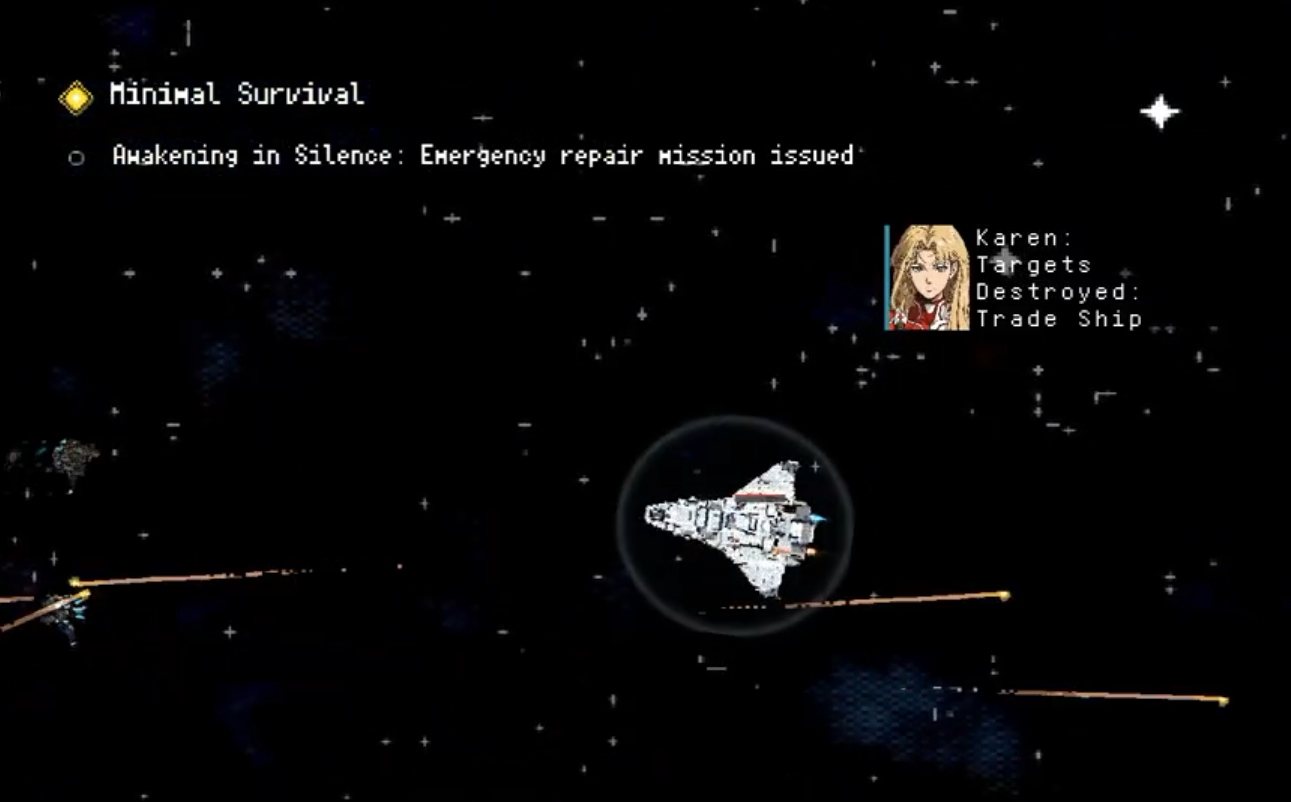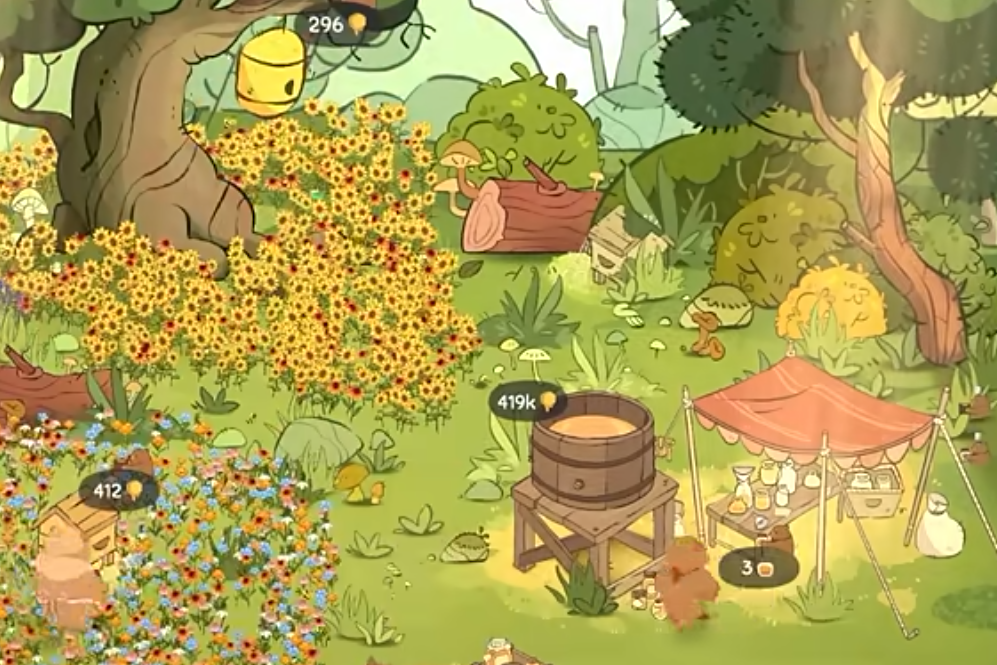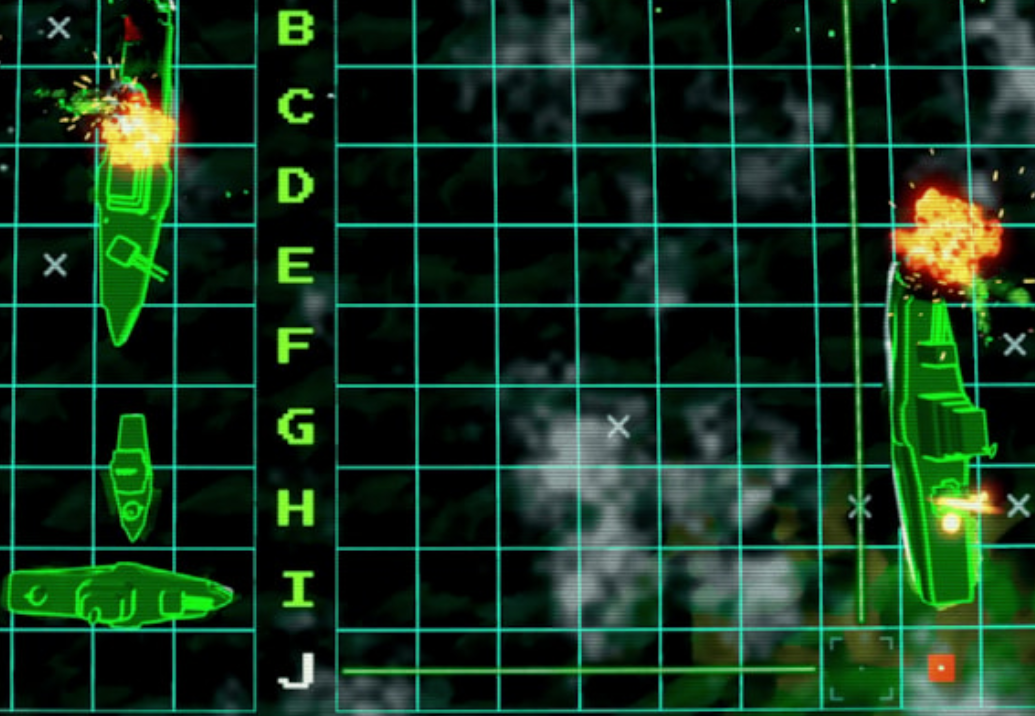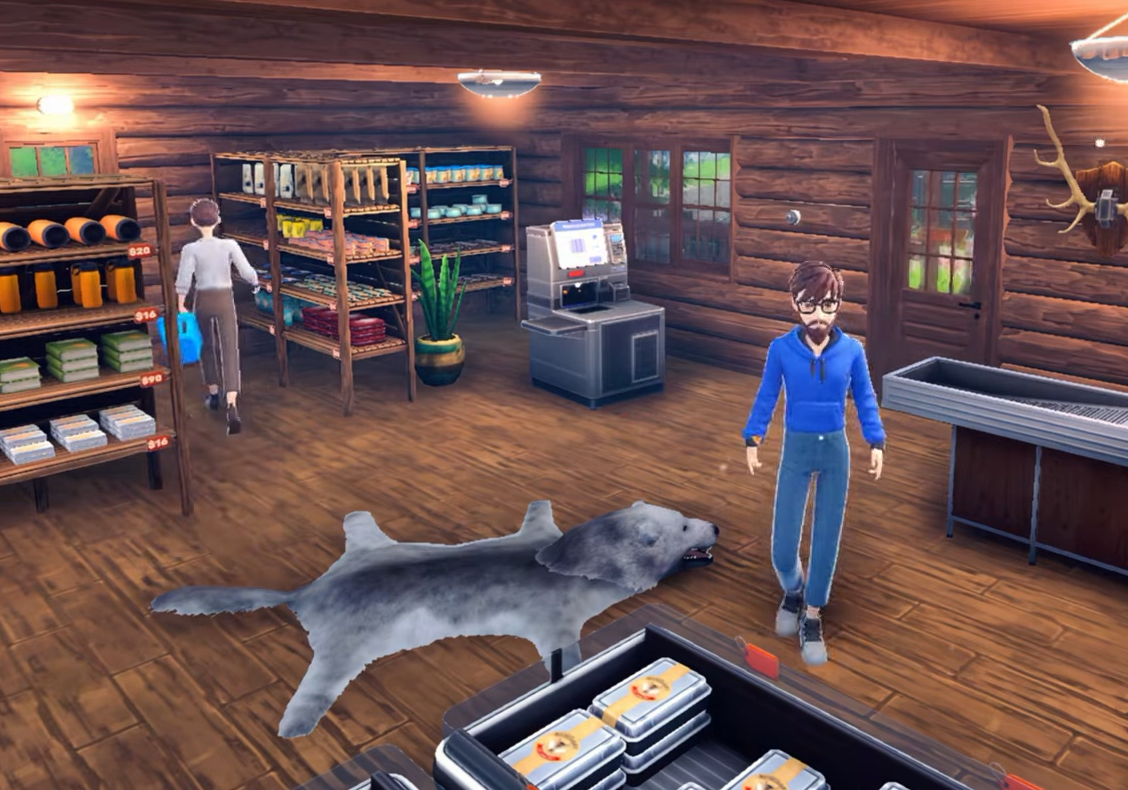
Developed by Oldways Studios, this title is a high-octane blend of classic side-scrolling shoot ’em ups and modern roguelite progression. If you’ve ever wondered what R-Type would feel like if it had a baby with Enter the Gungeon—and then that baby grew up to owe a lot of money to a space syndicate—this is it.
The Breakdown
The Vibe: Gritty space-opera with retro pixel art and a “snarky drone” sidekick. Think Firefly meets bullet hell.
The Hook: You play as Captain Cole Hunter, an outlaw pilot who is deeply in debt. Every run is a chance to chip away at that balance—or default in a blaze of glory.
Gameplay Loop: 5–10 minute combat runs. You scavenge enemy cores mid-combat to evolve your ship’s arsenal, creating “broken” power combos.
Risk vs. Reward: A dynamic “Heat Map” tracks your debt. The longer you wait to pay, the more elite Syndicate enforcers will hunt you down.
Why You Should Play the Demo
The demo offers a taste of the Implant System, where you can unlock branching perks and synergies. It’s built for “one-more-run” sessions, featuring tight controls that the developers strongly recommend playing with a controller.
Pro-Tip: Keep an eye on your “magnetic pickups.” Scrapping for cores is essential for survival, but diving into a bullet swarm to grab one is how most pilots meet their end.
Platform: PC (Windows/macOS) Full Release: Early Access coming later in Q1 2026.
Find out more here – https://colehunterpayback.com
If you’ve been looking for a tower defence game that swaps generic knights for gritty, subterranean chaos, the Protect the Pit demo is officially calling your name.
It’s a refreshing take on the genre that focuses as much on resource management as it does on tactical placement. Here’s the lowdown on why you should give it a download.
The Premise
In Protect the Pit, you aren’t just building towers; you’re defending a central excavation site—The Pit—from relentless waves of underground horrors. It’s dark, it’s atmospheric, and it feels like a mix between Dungeon Keeper and modern rogue-lite builders.
Key Features in the Demo
Verticality Matters: Unlike flat-map defenders, the terrain here is your best friend (or your worst enemy).
Dynamic Pathing: The enemies aren’t mindless drones; they’ll find the weakest link in your perimeter if you aren’t careful.
The Upgrade Loop: The demo gives a solid taste of the tech tree, allowing you to specialise in high-damage ballistics or elemental crowd control.
Why It’s Worth Your Time
The demo does a great job of balancing the “chill” vibes of a builder with the frantic “oh no” moments when a swarm breaks through. It’s polished, the sound design is incredibly crunchy, and the learning curve is gentle enough to get you hooked in about ten minutes.
Pro Tip: Don’t cluster all your heavy hitters at the entrance. In the current demo build, splash damage is king—spread your AOE towers to maximise the “choke points.”
Find out more here on Steam – https://shorturl.at/tfrrN
If you’ve been scouring the indie scene for something that feels less like a power fantasy and more like a desperate struggle for existence, you’ve likely stumbled upon Sub-Species.
It’s not just another survival horror title; it’s a claustrophobic masterclass in biological dread. In a world saturated with “zombie-clones,” Sub-Species pivots toward the subterranean, forcing players to confront what happens when humanity is no longer at the top of the food chain.
What Sets It Apart?
Most survival games give you a tree to chop or a rock to mine within the first thirty seconds. Sub-Species gives you darkness and a heartbeat monitor. Here’s why it’s currently dominating the “creepy-core” conversation:
Adaptive Intelligence: The “Sub-Species” aren’t just NPCs with patrol paths. They use a reactive AI system that learns your hiding spots. If you hide in a locker twice, they’re checking it the third time.
Atmospheric Pressure: Set in the decaying remains of a deep-earth research facility, the sound design is the real star. Every groan of metal and drip of water is designed to make you turn around.
Resource Scarcity: We’re talking actual scarcity. You aren’t crafting assault rifles; you’re lucky if you find a glowstick and a blunt screwdriver.
The Core Loop: Stealth over Strength
In Sub-Species, combat is a failure state. If you’re fighting, you’ve already lost the upper hand. The game rewards:
Observation: Learning the sounds of different mutations.
Patience: Waiting for the perfect window to cross a flooded corridor.
Resource Management:Deciding if that final battery charge is worth seeing what’s in the next room.
“It’s the first game in years that made me hold my actual breath while my character was hiding under a desk. 10/10 would have a heart attack again.” — Early Access Reviewer
Is It Worth the Nightmare?
If you enjoy the tension of Alien: Isolation or the mechanical grit of Amnesia, Sub-Species is your next obsession. It’s punishing, yes, but it treats the player with respect. It doesn’t rely on cheap jump scares; it relies on the creeping realisation that you are being hunted by something much faster than you.
The Verdict: Put on your best headphones, turn off the lights, and prepare to feel very, very small.
If you’ve ever felt the stress of a typical city builder—where one misplaced fire station leads to a total urban collapse—then City Tales – Medieval Era is the digital exhale you’ve been waiting for.
Fresh out of Early Access as of January 29, 2026, this title from developer Irregular Shapes and publisher Firesquid swaps high-stakes crisis management for what I like to call “Medieval Mindfulness.” It’s less about surviving the winter and more about the joy of watching a village breathe.
What Makes It Different?
While games like Manor Lords or Cities: Skylines rely on rigid grids and frantic micromanagement, City Tales leans into a more organic, painterly approach.
1. Organic District Planning
Forget the grid. In City Tales, you “paint” districts onto the landscape. Once a zone is established, your villagers (those industrious little pixels) decide where to place their own homes within that space. This creates winding, realistic streets that look like actual historical European hamlets rather than a 21st-century suburb.
2. The Companion System
You aren’t just an omnipotent eye in the sky. You have Companions—distinct characters like Mischa or Alberic—who act as your boots on the ground.
Skill Mastery: Assign a companion to a Tavern or a Farm, and they’ll gain experience in that field.
Automation: Once a companion stays at a building long enough, they “train” the staff, and the building becomes autonomous, freeing your companion to start a new project elsewhere.
Narrative Weight: Each companion has their own story arc and side quests, making the growth of your city feel personal.
3. A Focus on Chill
There are no Viking raids. No plagues will wipe out half your workforce. If you step away from your PC for an hour, your economy will likely be exactly where you left it. The challenge comes from strategic optimisation—managing the “influence” of your civic buildings (like churches and pharmacies) to ensure your houses can level up.
Gameplay Snapshot: Tips for New Lieges
If you’re just starting your reign in the region of Mountalba, keep these three things in mind:
Tip
Why It Matters
Think Small First
Smaller districts (5-6 plots) are easier to satisfy with amenities, leading to faster home upgrades.
Overlap Influence
Each district only holds two civic buildings. You’ll need to overlap district influence ranges to get every house the services it needs.
Level Your Companions
Don’t move them too quickly! Let them reach higher levels in a specific discipline to unlock massive production buffs later.
The Verdict
City Tales – Medieval Era is a stunning, low-stress simulation that prioritises aesthetic and atmosphere over “game over” screens. While the mid-to-late game can feel a bit like a “prestige grind” as you wait for resources to pile up, the journey of turning a few muddy tents into a bustling, detailed kingdom is incredibly rewarding.
It’s a game meant to be played with a cup of tea and the volume turned up to catch that melancholic, soothing soundtrack.
Final Thought: If you want to build a kingdom that looks like a storybook illustration and feels like a warm hug, this is the one for you.
Find out more here – https://irregular-shapes.com/
If you’re looking for a game that makes you question your own peripheral vision, MOLE is a masterclass in “less is more.”
While many horror titles rely on loud jump scares and gore, MOLE digs deep into liminal space and the crushing weight of isolation. It’s a psychological slow-burn that understands that what you don’t see is usually much scarier than what you do.
Why it Sticks With You:
Atmospheric Dread: The sound design is oppressive. Every metallic clink and distant shuffle feels intentional, turning a simple environment into a living, breathing threat.
Minimalist Storytelling: It doesn’t hold your hand. You’re forced to piece together the narrative through environmental cues, leaving just enough to the imagination to keep you uneasy.
The “Uncanny” Factor: It plays with familiar settings and twists them just enough to trigger that “something is wrong here” instinct.
The Verdict: It’s a short, sharp shock to the system. Perfect for a late-night session when you’re already feeling a bit jumpy. Just… maybe don’t look too closely at the shadows in the corner of your room afterwards.
Find out more here – https://www.off-black-creations.com/
If you’ve ever wanted to feel like a sentient, bloodthirsty ecosystem, Roots Devour (released January 27, 2026) is your chance to stop being the gardener and start being the nightmare.
In this Lovecraftian “strategic exploration” game, you don’t play as a hero—you play as a newborn ancient god, a mass of ravenous roots spreading through a Gothic landscape.
The Gameplay: Spread or Starve
Unlike traditional deckbuilders, where you play cards in a vacuum, here the cards are the map. You physically extend your tendrils across the board to connect nodes, but every move has a cost.
Blood & Water: Blood is your primary currency for growth, harvested from the “pitiful creatures” you ensnare. If you run out, you have to tap into your finite Water supply. Run out of both? Your run is over.
Pathfinding as Strategy: You must navigate around obstacles like rocks and dense vegetation, or use specialized cards to bridge gaps.
Biomes: The journey takes you from eerie forests to frozen mountains where your roots can literally freeze, forcing you to rethink your resource management.
The Vibe: Gothic & Unsettling
The game leans heavily into its Noir/Gothic aesthetic. Think Cultist Simulator meets Carion.
The Narrative: You aren’t just eating animals; you eventually reach human settlements. You can choose to manipulate these characters, turn them into “dependents,” or simply consume them.
Atmosphere: It’s a quiet, psychological brand of horror. The sound design—filled with the wet snaps of roots and the whispers of the forest—does most of the heavy lifting.
The Verdict: It’s an “addictingly complex” hybrid that rewards patience and a love for the macabre. If you enjoy games that let you be the “absolute king-hell shitlord of a tree” (as Rock Paper Shotgun so eloquently put it), this is for you.
If you’ve ever felt like modern shooters make ammo a bit too easy to find, Crisol: Theater of Idols has a terrifying solution: your health is your magazine. Developed by Vermila Studios and published by the horror titans at Blumhouse Games, this first-person survival horror title is shaping up to be one of the most atmospheric releases of 2026. Set in “Hispania”—a nightmarish, early 20th-century reimagining of Spain—you play as Gabriel, a soldier on a divine mission to uncover why the Sun God has vanished.
Key Features
Blood-Based Combat: There are no ammo crates here. To reload your weapons (like the “steampunky” shotgun or marksman rifle), Gabriel must physically sacrifice his own blood. This turns every gunfight into a high-stakes gamble—do you finish the enemy off, or do you save your health to survive the next room?
The Island of Tormentosa: A hauntingly beautiful setting filled with grand ruins and labyrinthine streets. The atmosphere is heavily inspired by Spanish folklore and religious iconography, trading generic zombies for creepy, life-sized wooden puppets and animated statues.
Resource Management: To regain your “ammo,” you must scavenge for syringes or—more macabrely—absorb blood from dead animals and environmental sources.
A “Soul-lite” Experience: While the game is challenging and emphasises risk-reward, the developers have included a wide range of accessibility options, allowing players to tweak damage intake and blood-cost mechanics.
Why It’s Turning Heads
Unlike many horror games that rely on jump scares, Crisol focuses on sustained dread. The sound of rain pattering on stone, the “molasses-like” movement that makes every encounter feel heavy, and the disturbing way enemies continue to crawl toward you even after losing limbs all contribute to a feeling of genuine vulnerability.
Find out more here – https://www.blumhouse.com/games/crisol-theater-of-idols
The hype for MY HERO ACADEMIA: All’s Justice is officially hitting Plus Ultra levels! With the game launching on February 6, 2026, Bandai Namco has finally revealed the massive roster we’ll be playing with.
This is the largest lineup in the franchise’s history, featuring 51 characters at launch (plus pre-order bonuses and upcoming DLC). It’s designed to cover the entire series timeline, including the heavy-hitting forms from the Final War Arc.
The Roster Breakdown
The roster is split into four main categories, ensuring every fan has their “main” ready to go:
U.A. High School (Class 1-A & 1-B): The game features the entire Class 1-A lineup (all 20 students!), plus heavy hitters like Mirio Togata, Nejire Hado, and Hitoshi Shinso.
Pro Heroes: The big guns are here, including Armoured All Might, Endeavour, Hawks, Mirko, and Best Jeanist.
The Villains: Play as the most dangerous versions of Tomura Shigaraki (All For One form), Dabi (Flame of Death), and the terrifying All For One (Rewind).
Wildcards: Expect to see fan-favourites like Lady Nagant, Gentle & La Brava, and even the “High End” Nomu.
Launch & Pre-Order Specials
Total Launch Roster: 51 Playable Characters.
Pre-Order Bonus: Early unlock for All For One (Chaos) and Izuku Midoriya (Rising).
Season Pass: 5 additional characters confirmed for post-launch.
What’s New?
Beyond the roster, the game introduces a 3v3 tag-team system and the “Rising” mechanic, which boosts your Quirk’s power and speed mid-fight. If you’ve been waiting for a “Sparking! ZERO” style treatment for MHA, this looks like the one.
Platforms: PS5, Xbox Series X|S, and PC (Steam).
Find out more here – https://www.bandainamcoent.com/games/my-hero-academia-alls-justice
In the world of indie gaming, “absurd” is often a badge of honour. Black Hole Fishing, the upcoming incremental title from SDG Games and publisher Playsaurus, leans into this chaos with a premise that is as destructive as it is addictive: catching fish by throwing a literal black hole into a pond.
Set for a full release on February 17, 2026, the game has already built a cult following through its demos on Steam and Itch.io. Here is why this “fishing” game is anything but traditional.
Gameplay: Slurp, Stock, and Sacrifice
The core loop of Black Hole Fishing is simple to learn but scales into cosmic proportions. Unlike traditional sims where you wait for a nibble, here you are the apex predator of physics.
The Singularity: You start by tossing a small black hole into the water. Instead of a hook and line, you use the gravitational pull of a singularity to “slurp” fish out of existence.
Fish Science: It isn’t just about volume; it’s about quality. You can breed, paint, and even inject fish with traits to maximise their profitability.
The Large Halibut Collider™: For those who take their aquatic research seriously, you can eventually operate a particle collider to discover “Quantum Sharks” and other exotic species.
Ponds All the Way Down: Once you’ve drained a pond dry, you simply consume the pond itself to discover another pond beneath it.
The “Ethical” Incrementalist
Developer Matthew (SDG Games) describes the title as an “absurd incremental game,” placing it in the same lineage as Cookie Clicker or Leaf Blower Revolution. The humour is dry and self-aware, featuring a “Fishy Business Magazine” that whispers to the player and prompts them to feed the singularity until it eventually consumes the planet—all in the name of progress.
Development & Tech
Built using the Godot engine, the game gained attention for its impressive custom vortex water shaders, which the developer spent over 30 hours perfecting. Despite the “low-poly” aesthetic, the game boasts a procedural engine capable of generating up to 2.5 septillion unique fish variants.
Feature
Details
Developer
SDG Games
Publisher
Playsaurus
Release Date
February 17, 2026
Platforms
PC (Steam), Linux, Web (Demo)
Genre
Idle / Incremental / Simulation
Whether you’re looking for a relaxing idle experience or a way to vent your frustrations on the fabric of reality, Black Hole Fishing offers a strangely satisfying dive into the void. Just don’t think too hard about where the fish go once they hit the event horizon.
Find out more here on Steam – https://shorturl.at/jFIrV
You step into the boots of Sheriff James Cooper, who awakens in a dilapidated, unfamiliar hospital. There’s just one problem: he is mortally wounded and bleeding out.
The Hook: You have exactly 15 minutes of real-time gameplay before James succumbs to his injuries.
The Reset: The moment you die—whether from blood loss or the monsters roaming the halls—the loop resets. You wake up in that same room, wounded, and the clock starts again.
The Goal: Break the cycle by uncovering the truth behind the hospital’s haunting residents and finding a way out before your time is up.
Key Gameplay Features
Metroidvania Progression: While your physical items might reset, the knowledge and abilities you gain don’t. You’ll unlock new paths and shortcuts that make each subsequent run more efficient.
Branching Narrative: A dynamic dialogue system reacts to your choices. The path you take in one loop can significantly alter how characters interact with you in the next.
Atmospheric Combat: Built in Unreal Engine 5, the game emphasises “classic” survival horror. Ammo is scarce, and the primary threats—mysterious cultist-like figures and bloodthirsty creatures—are designed to be avoided rather than mowed down.
Customizable Abilities: A flexible skill system allows you to tailor James’s survival traits to your specific playstyle, whether you prefer stealth or high-risk combat.
Reception & Performance
The game’s Prologue, which was released in mid-2025, garnered “Very Positive” reviews on Steam, with players praising its thick atmosphere and stressful time-management mechanics. Early feedback led the developers to overhaul the shooting mechanics and enemy AI for the full 2026 release, ensuring a more polished experience.
Find out more here on Steam – https://shorturl.at/77AWe
Launched on January 27, 2026, THE SPIRIT LIFT is a stylised love letter to ’90s horror and tactical card gaming. Developed by prettysmart games, this “Ghostpunk” deckbuilder transports players back to a pixelated 1990s where a graduation party at the Vexington Hotel goes south, leaving a group of teenagers trapped in a supernatural elevator.
The Premise: Rewind or Die
The game follows a group of eight classic high school tropes—ranging from the tennis star and the jock to the goth artist—as they navigate 13 procedurally generated floors of a haunted hotel. The aesthetic is pure nostalgia: think CRT filters, low-poly 3D environments, and a soundtrack that feels ripped from a cult-classic VHS tape.
Gameplay Mechanics
Unlike many deckbuilders that focus solely on abstract card play, THE SPIRIT LIFT incorporates light dungeon crawling. You move square-by-square through the hotel’s hallways, triggering random events and grid-based encounters.
Team-Based Synergy: You select a trio of investigators for each run. Your deck is a combined pool of cards based on those specific characters.
Tactical Combat: Battles use a shared pool of action points. You’ll use everyday ’90s items—disposable cameras to stun, slap bracelets for gear, and tennis rackets for defence—to fend off poltergeists and cryptids.
The “Trauma” System: A unique twist where negative cards (Trauma) are added to your deck by enemies. Unlike standard cards, these often have to be played multiple times to be “processed” and removed, forcing you to manage your team’s mental fatigue.
Meta-Progression: The Spirit Shop, run by a mysterious wolf-man named Dorian, allows you to spend “Spirit Points” earned during runs on permanent upgrades like increased health or extra gear slots.
Why It Stands Out
The game’s core loop—“Be Kind, Rewind”—is a nod to its roguelike nature. Death isn’t the end; it’s a “rewind” of the graduation night, allowing you to try different character combinations and uncover the hotel’s deeper lore. With over 200 cards and 90 pieces of gear, the strategic depth is significant, even if the “unlucky number 13” theme keeps every run tense and relatively fast-paced.
Find out more here – https://www.thespiritlift.com/
The TownsFolk demo, recently released on Steam by Swedish indie developer Short Circuit Studio, offers a bite-sized but brutal look at a world where pixel-perfect charm meets unforgiving survival strategy.
Positioned as a blend of resource management and roguelite progression, the demo gives players a first taste of what it takes to guide a group of settlers through an uncharted, hexagonal frontier.
Core Gameplay: Survival by the Tiles
At its heart, TownsFolk is a settlement builder that demands efficiency. You begin with a handful of settlers and a fog-covered map. As you clear tiles, you reveal resources, hidden treasures, and lurking dangers.
The demo introduces the fundamental “tribute” system: you aren’t just building for yourself—you are building for the King. Every few cycles, the Crown demands a specific tribute (Gold, Food, or Production). Fail to meet the quota, and your settlement’s story ends prematurely.
Key Resources to Manage:
Food: Keeps your settlers from starving.
Gold: Essential for expansion and satisfying the King.
Faith: Used to seek blessings and ward off natural disasters.
Production: The literal building blocks of your outpost.
What’s in the Demo?
The demo is surprisingly generous, designed to showcase both the strategic depth and the variety of gameplay modes planned for the 2026 full release:
The Tutorial: A guided “How to Play” mission that walks you through the basics of building and tile adjacency bonuses.
Conquest Mode: A taste of the game’s broader strategic layer, where you capture regions to progress.
Puzzle Missions: Short, high-stakes scenarios that force you to solve resource bottlenecks with limited moves.
Roguelite Campaign: The opening portion of the main campaign, featuring procedurally generated maps that ensure no two “runs” feel the same.
Aesthetic and Atmosphere
The game’s handcrafted pixel art serves as a soft counterpoint to its high-stakes gameplay. While the visuals are cosy and nostalgic, the atmosphere is thickened by an evocative soundtrack and “dynamic events”—like sudden tornadoes or animal attacks—that can turn a thriving village into a ghost town in a single turn.
Pro Tip from Early Players: Build a Church early. Atmospheric blessings are one of the few ways to mitigate the devastating “disaster” events like tornadoes that the demo occasionally throws your way.
The Verdict
The TownsFolk demo succeeds because it respects the player’s time while challenging their brain. It’s “minimalist strategy” in the best way: easy to pick up, but with layers of tile-based synergies that will keep veteran 4X fans tinkering.
With the full game slated for 2026 on PC and Mobile, this demo is a must-play for anyone who enjoys the “just one more turn” loop of games like Against the Storm or Landnama.
Find out more here – https://www.shortcircuitstudio.com/
In the world of indie gaming, dwarves are often found digging deep into the earth. However, Dwarf Legacy—the upcoming precision-platformer from developer Wulo Games—flips the script by asking players to climb.
Scheduled for a Q1 2026 release, Dwarf Legacy is a high-stakes, “bullet hell” platformer that combines tight mechanical skill with a roguelite progression system. Currently available as a demo on Steam and itch.io, the game has already gained traction for its punishing difficulty and “one-more-try” gameplay loop.
Gameplay: Precision Under Pressure
Unlike traditional platformers, where movement is horizontal, Dwarf Legacy focuses on verticality. Players must navigate the treacherous, trap-filled dungeons of “The Mountainhome” to reclaim a lost heritage hidden at the summit.
The Mechanics: It’s a “precision-platformer,” meaning pixel-perfect jumps and timing are mandatory. Adding to the chaos is a “bullet hell” element where enemies and mechanised traps fill the screen with projectiles.
The Roguelite Twist: As you climb, you gather precious resources. If you fall, you return to the expedition base, where you can use those materials to upgrade gear and unlock unique perks (over 20 available in the demo) to make the next ascent slightly more manageable.
Competitive Edge: For those who master the movement, the game features global leaderboards. Players are ranked from D to S, with “S-Rank” reserved for those who can clear levels with speed and efficiency (e.g., gaining time bonuses for skillful enemy kills).
Atmospheric Design
The game utilises a crisp 2D pixel-art style that captures the claustrophobic yet grand feel of an abandoned dwarven stronghold. The environments are atmospheric, filled with mechanical contraptions and glowing ores that contrast against the dark, jagged stone of the mountain.
Development and Reception
Dwarf Legacy is largely a solo project by developer Wulo, which recently won the Unity Play Summer Showcase 2025. Early feedback from the Steam Next Fest highlights has been overwhelmingly positive, with players praising the “tight” controls—a make-or-break feature for any precision-platformer.
Quick Facts
Feature
Details
Developer/Publisher
Wulo Games
Genre
Precision-Platformer / Roguelite / Bullet Hell
Platforms
Windows, macOS, Linux (Steam Deck verified)
Release Window
Q1 2026
Key Influence
Celeste meets Enter the Gungeon vibes
Pro Tip: While the game supports keyboard play, the developers strongly recommend using a controller to handle the nuanced movement required for later vertical dungeons.
Find out more here on Steam – https://shorturl.at/76T1c