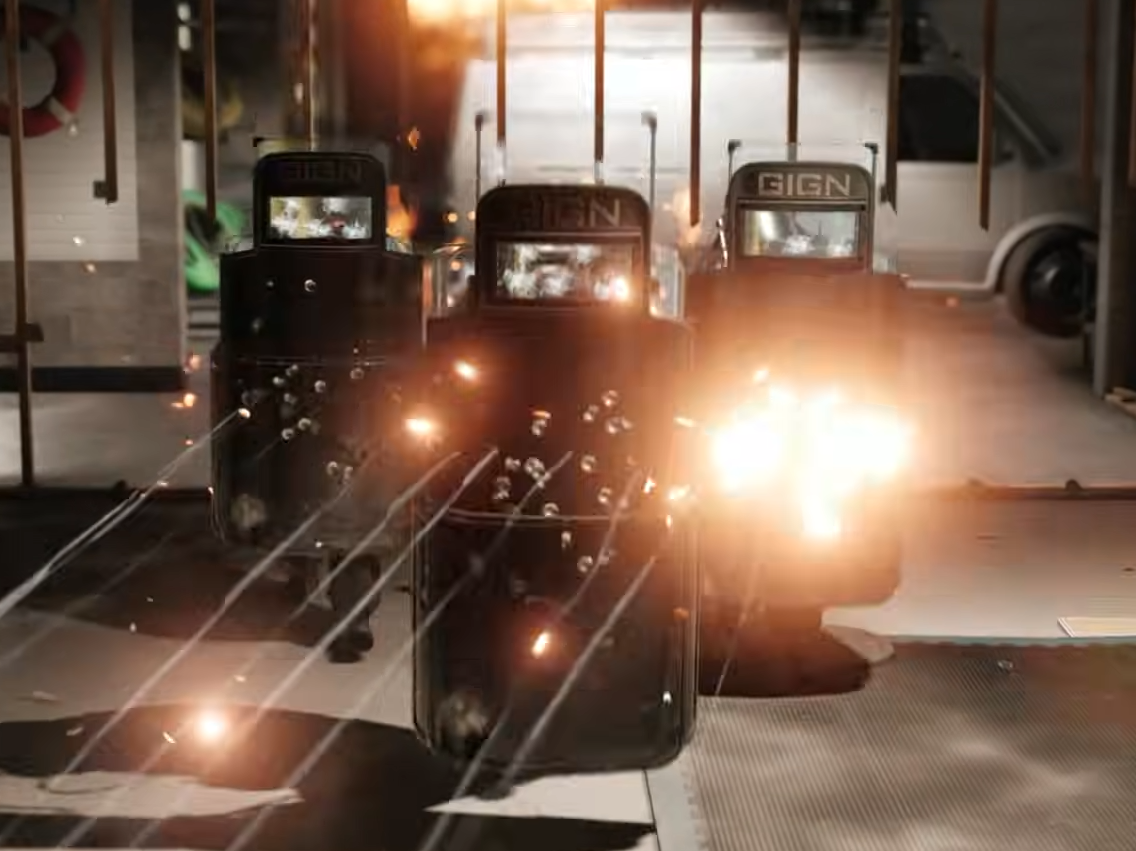
S.P.E.A.R. is officially bringing its high-stakes tactical gameplay to Xbox! If you’ve been looking for a shooter that rewards strategy as much as twitch reflexes, this is it.
Ultra-realistic gunplay
Tactical squad mechanics
Optimised for Series X|S
Experience the intensity of S.P.E.A.R. on the big screen. From the lighting to the ballistics, every detail has been tuned for the Xbox Series X|S to immerse you in the heart of the zone.
Grab your squad and gear up. The battlefield just got a lot more dangerous.
Find out more here – https://www.xbox.com/en-gb/games/store/spear/9nzjzxjz0n3c
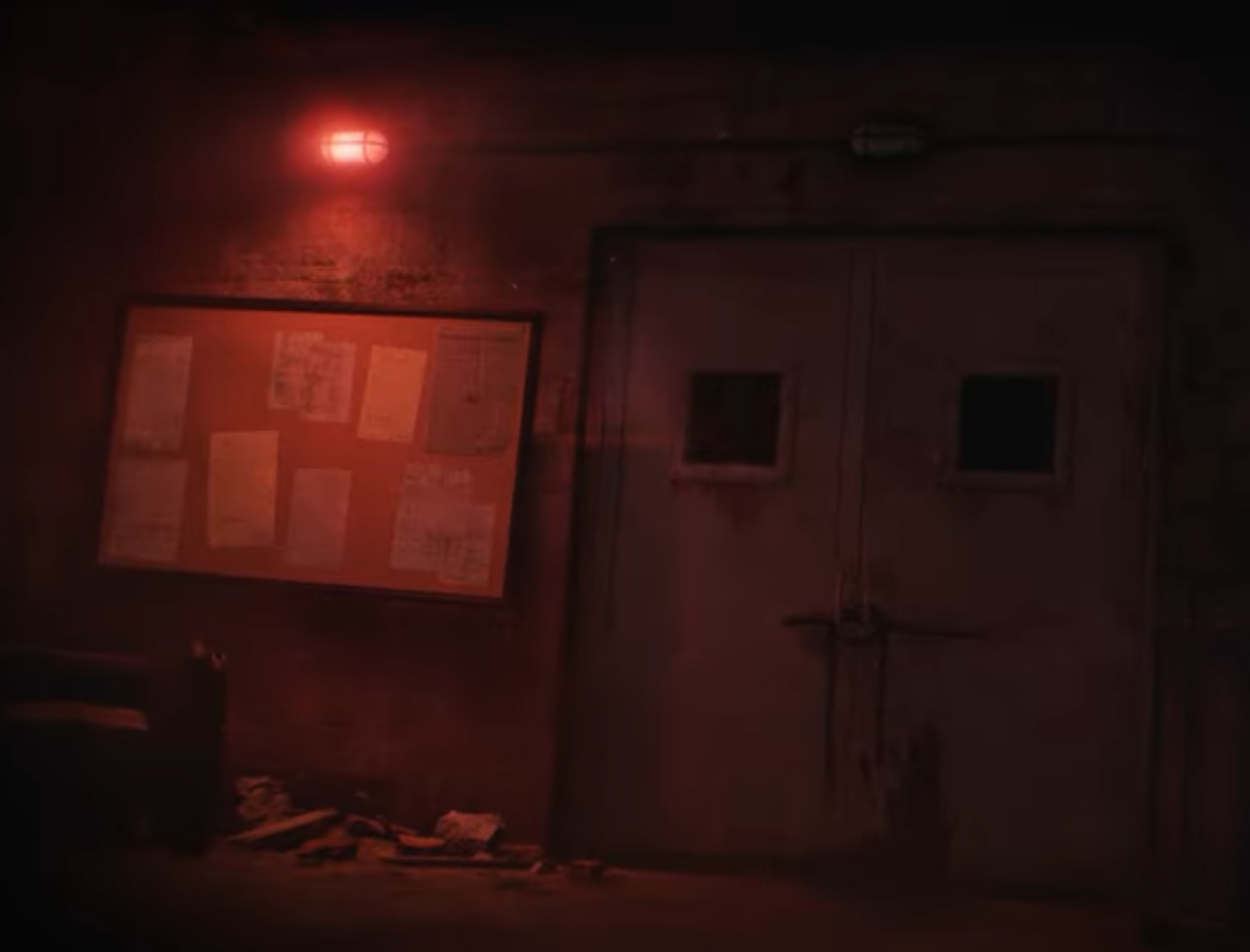
We just took on the Brave Escape challenge, and let’s just say… our heart rates are still recovering! From the immersive storytelling to those “aha!” moments that make you feel like a genius, this was the ultimate test of teamwork.
Nothing builds trust quite like trying to decode a “bomb” or find a hidden key with the clock ticking down. Highly recommend this for any team looking to sharpen their collaboration while having a blast.
If you’re looking for a sign to grab your smartest (or most chaotic) friends and lock yourselves in a room for an hour—this is it.
After a nine-year hiatus, the gaming world’s most cynical and foul-mouthed goblin is returning to the shadows. Developed by Cyanide Studio and published by Nacon, Styx: Blades of Greed is the third instalment in the stealth-action series, following Master of Shadows (2014) and Shards of Darkness (2017).
Scheduled for release on February 19, 2026, the game looks to evolve the franchise’s “hardcore stealth” roots into a more expansive, sandbox experience.
A New Era of Goblin Greed
Set immediately after the cliffhanger ending of Shards of Darkness, Blades of Greed serves as a narrative bridge to the events of Of Orcs and Men. For the first time, Styx is no longer just a hired hand; he is a boss leading his own crew from a personal zeppelin.
The central MacGuffin this time is Quartz, a mysterious and volatile power source. As the continent of Iserian teeters on the edge of a Great War between humans, elves, and orcs, Styx aims to snatch as much Quartz as possible, which simultaneously grants him devastating new magical abilities.
Expanded Gameplay & Traversal
While previous entries were known for their tight, linear levels, Blades of Greed introduces a Metroidvania-style structure across three massive open environments:
The Wall: A brutal human military stronghold.
Turquoise Dawn: A lush, vertical orc village.
Akenash: The ruins of the ancient elven capital.
New Tools for the Master of Shadows
To navigate these larger spaces, Cyanide has overhauled Styx’s mobility:
The Glider: Allows Styx to soar across gaps and drop onto unsuspecting guards from above.
Grappling Hook: Adds significant verticality, letting players zip to rafters and hidden ledges.
Metal Claws: Enable Styx to scale surfaces that were previously unreachable.
Stealth vs. Combat
The developers have doubled down on the “pure stealth” philosophy. Direct combat remains deliberately clunky and punishing—Styx is a goblin, not a gladiator, and can be killed in just two or three hits.
Instead, players are encouraged to use creativity over brawn. You can extinguish torches with sand, poison food supplies, rig chandeliers to fall, or use Quartz-powered abilities like Time Shift and Mind Control to turn enemies against one another.
Find out more here – https://store.steampowered.com/agecheck/app/3290690/
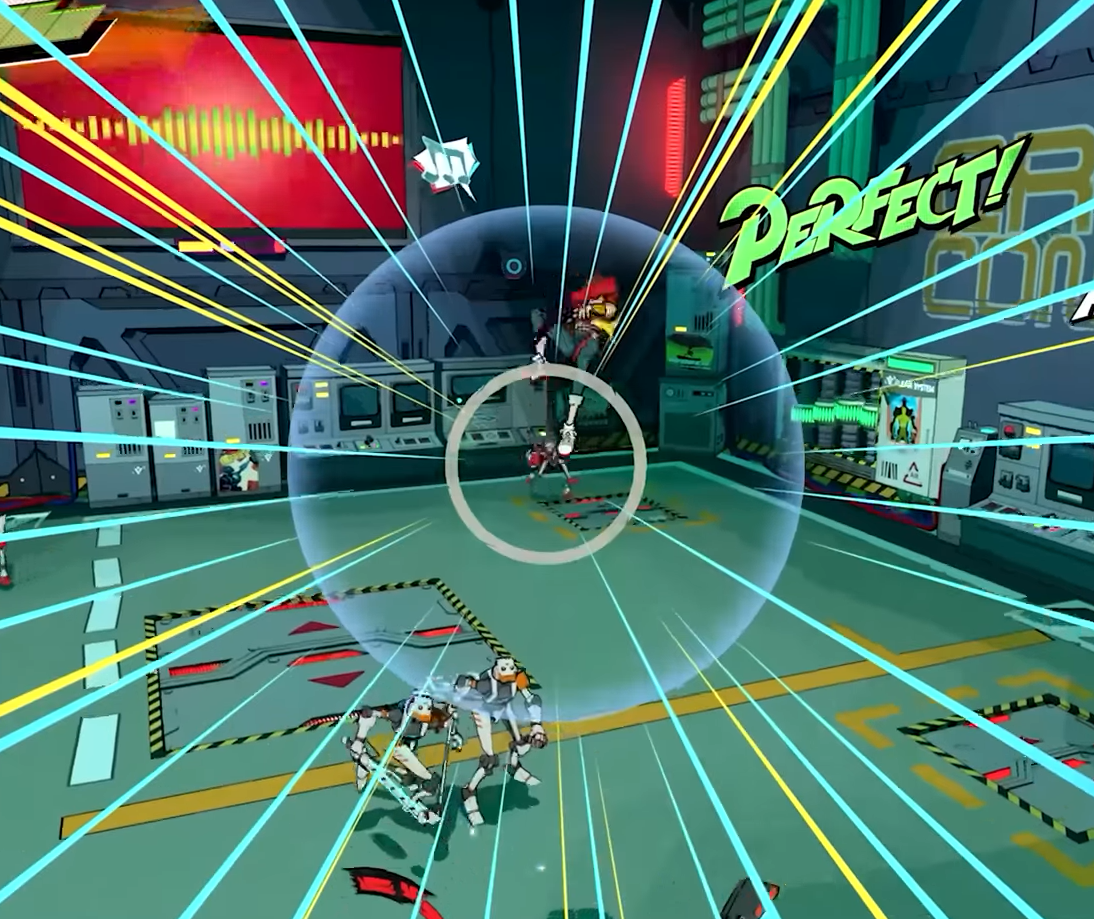
If you haven’t played Hi-Fi RUSH yet, you are officially missing out on the most vibrant, head-banging rhythm-action experience in years!
Step into the robotic sneakers of Chai, a “defect” with a music player fused to his heart. In a world where everything—from the environment to the enemies—moves to the beat, your job is to scrap the corporate overlords and look stylish doing it.
Why you need to play it:
Visuals: A stunning “playable Saturday morning cartoon” aesthetic that pops off the screen.
The Groove:Combat that syncs perfectly with a killer soundtrack (featuring Nine Inch Nails, The Black Keys, and more).
808: The cutest robotic cat companion to ever grace a console.
Pure Fun: No grinding, no microtransactions—just pure, polished, rhythmic chaos.
Whether you’re a rhythm game veteran or just someone who likes hitting things with a guitar made of scrap metal, this game is a must-play.
“A game that doesn’t just have a heart—it has a pulse.”
Have you already climbed the Vandelay ranks? Drop your favourite track or boss fight in the comments!
Find out more here – https://limitedrungames.com/products/hi-fi-rush-smidge-edition-ps5-xbox
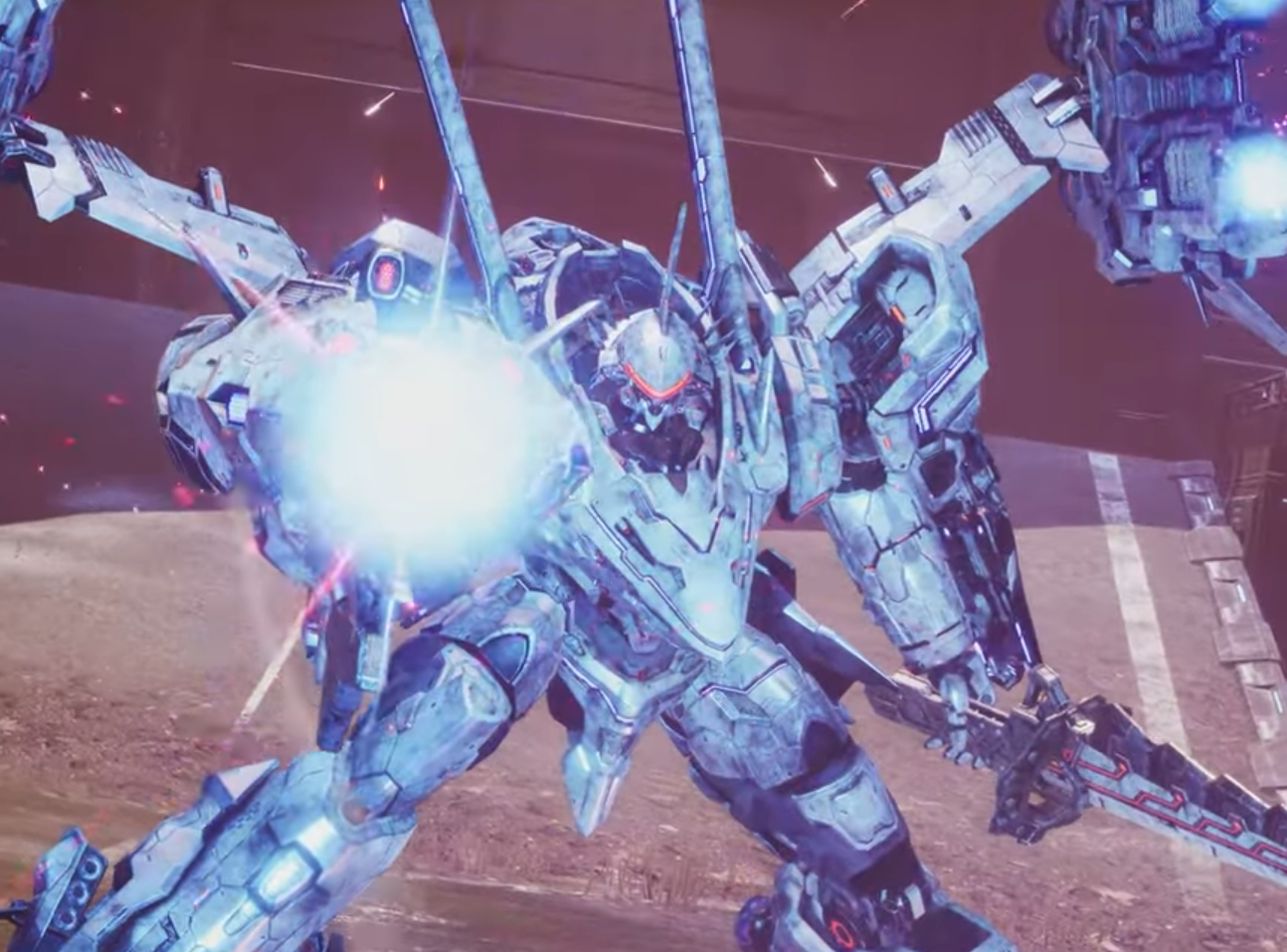
Before Armoured Core VI returned to the throne, this vibrant, fast-paced spiritual successor was keeping the giant robot dream alive. Here’s why it’s still worth strapping into your Arsenal today.
For a long time, the mech genre felt like it was in cryosleep. Fans of customised robotic warfare were left waiting, replaying old titles and hoping for a revival. Then, in 2019, a streak of neon-colored lightning hit the Nintendo Switch (and later PC). It was called Daemon X Machina.
Helmed by Kenichiro Tsukuda—a veteran producer of the legendary Armoured Core series—and featuring mechanical designs by the visionary Shoji Kawamori (of Macross fame), Daemon X Machina arrived with a serious pedigree. It promised deep customisation, breakneck speed, and an aesthetic unlike anything else on the market.
While it may have flown under the radar for some, this game is a chaotic, flawed, and absolutely addictive gem that deserves a second look. If you love building giant robots and then using them to blow up other giant robots, here is why you need to reclaim your destiny.
The Loop: Loot, Build, Destroy
At its heart, Daemon X Machina is a third-person action shooter with a heavy emphasis on “looting.” You play as a “Reclaimer”—a mercenary pilot in a post-apocalyptic world where the moon has shattered, raining strange energy onto the Earth and turning AIs against humanity.
Your tool of the trade is the Arsenal, a highly customizable mech. The core gameplay loop is intoxicatingly simple:
Accept a mercenary contract (mission).
Drop into a battlefield and obliterate corrupted machines and rival mercenaries in fast-paced aerial combat.
This is key: When you down an enemy Arsenal, you can fly over to their wreckage in real-time and rip weapons or armour parts right off their chassis to add to your inventory.
Return to base, take your new loot into the hangar, and spend hours obsessing over your build.
The immediacy of looting on the battlefield is fantastic. See an enemy with a cool laser sword? Shoot them down and take it. It turns every encounter into a potential shopping spree.
The Hangar: Where Hours Disappear
If you are the type of gamer who spends more time in menus tweaking stats than actually playing the game, welcome home.
The customisation in Daemon X Machina is deep and satisfying. You aren’t just slapping on a new gun; you are balancing weight, energy consumption, memory usage, boost speed, and lock-on ranges. Do you want a hulking tank that dual-wields bazookas? Do you want a lightning-fast ninja mech with a katana and an SMG? Do you want to specialise in long-range sniping or area-of-effect missile swarms?
The game encourages you to build multiple Arsenals for different mission types. And crucially, it lets you make them look incredible. The paint and decal options allow for some serious “Fashion Mech,” ensuring your machine looks as deadly as it performs.
The Vibe: Neon Apocalypse and Heavy Metal
Where many mech games lean into gritty, grey military realism, Daemon X Machina kicks down the door wearing neon sunglasses.
The art style is a striking, cel-shaded comic book brought to life. The world is bathed in vibrant reds, electric blues, and radioactive greens. It’s a stylistic choice that ensures the action remains readable even when dozens of missiles and lasers fill the screen.
Matching this high-energy visual style is an absolutely shredding soundtrack. The music is a driving mix of heavy metal and industrial rock that fits the mechanical carnage perfectly. When the guitar riffs kick in during a boss battle against a colossal “Immortal,” your adrenaline will spike.
The Honest Truth: It’s Not Perfect
It would be disingenuous to recommend Daemon X Machina without acknowledging its rough edges.
The story is, to put it mildly, a convoluted mess of anime tropes. There is a massive cast of mercenary characters, rival factions, and shadowy organisations, and it can be very hard to care about who is betraying whom and why. Most players eventually tune out the dialogue and just focus on the mission objectives.
Furthermore, the mission variety can wear thin in the late game. You will find yourself doing a lot of “destroy all enemies” or “defend this target” objectives repeatedly. While the combat remains fun, the context for it gets repetitive.
The Verdict: Strap In
Despite its narrative flaws and repetitive mission structures, Daemon X Machina succeeds where it counts: the moment-to-moment gameplay.
The sheer joy of piloting a fully customised Arsenal, boosting through the air at breakneck speeds while dodging a barrage of lasers, feels incredible. It fills a niche between the slower, methodical pacing of older mech sims and high-speed character action games.
If you are looking for a game where you can turn your brain off, crank up the metal soundtrack, and spend dozens of hours building the ultimate war machine, Daemon X Machina is waiting for you in the hangar.
Daemon X Machina: Titanic Scion – https://na.daemonxmachina.com/titanicscion/
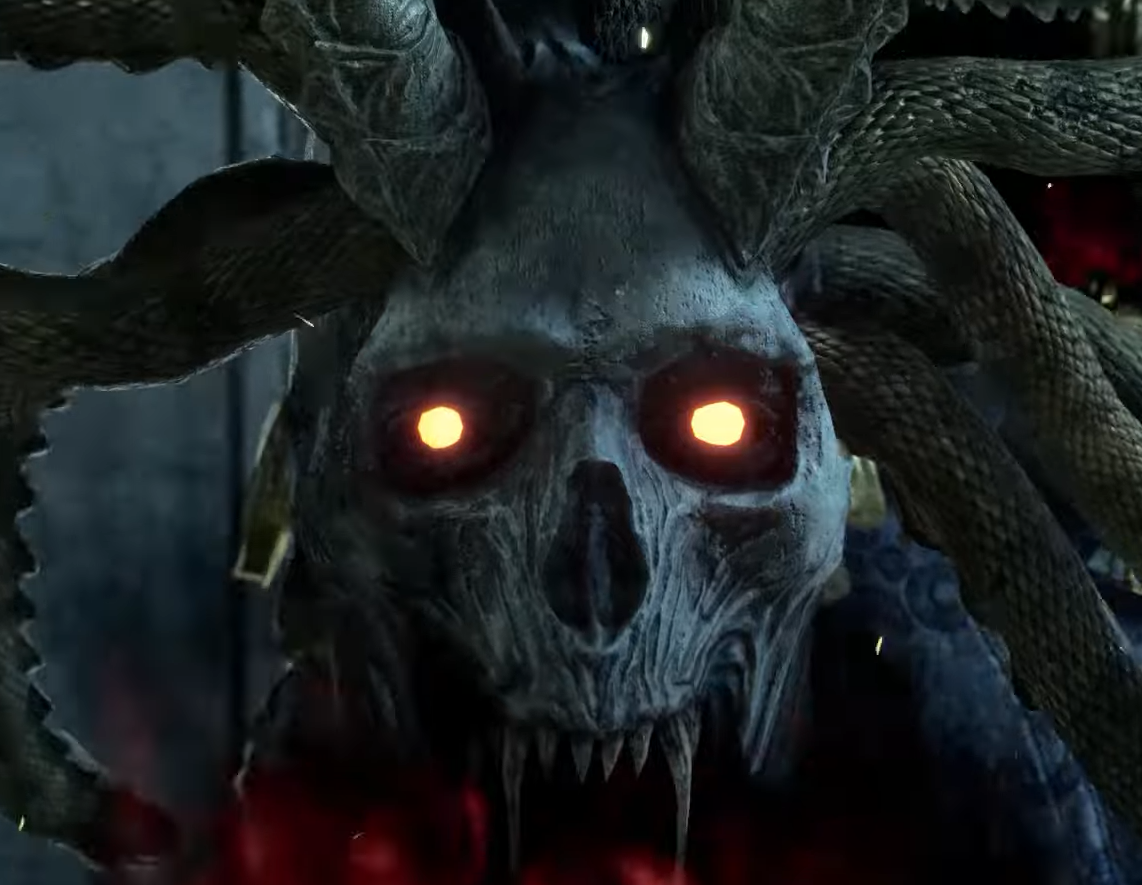
In the world of Soulslikes, few titles have captured the “anime-gothic” aesthetic as perfectly as Bandai Namco’s 2019 hit. After years of silence, the Revenants are finally rising again. CODE VEIN II has been officially revealed, and it’s shaping up to be much more than just a standard sequel—it’s a time-bending reimagining of the formula we loved.
Here is everything you need to know about the upcoming journey into the past and present.
The Story: A Race Against Time
Set in a post-apocalyptic world where humanity and Revenants coexist in a fragile balance, CODE VEIN II introduces a terrifying new threat: the Luna Rapacis. This mysterious force is turning Revenants into mindless Horrors, accelerating the collapse of what remains of civilisation.
You step into the boots of a Revenant Hunter who, after a fatal mission, is revived by a mysterious girl named Lou MagMell. Lou shares half of her heart with you, granting you the unique ability to wield time as a weapon. Together, you will travel between the ruined present and the world as it was 100 years ago to rewrite history and prevent the cataclysm before it ever begins.
Key Characters
Lou MagMell: Your mysterious saviour who possesses the power of time manipulation.
Valentin Voda: A powerful Revenant from the past, researching formae to save humanity.
Lyle McLeish: A reckless master swordsman and ace of the “Dawn Chorus” organisation.
Gameplay: Evolved Combat & Exploration
While the core “Anime Souls” DNA remains, CODE VEIN II introduces several massive shifts in gameplay:
1. The Dual-Timeline World
The world is now more open, allowing for deeper exploration. Crucially, actions you take in the past ripple into the present. Solving a puzzle or defeating a boss 100 years ago might unlock a new dungeon or change a questline in the modern day.
2. The Partner System 2.0
Your AI (or co-op) companions are more integrated than ever. You now have two primary ways to utilise them:
Summon: Your partner fights independently alongside you.
Assimilation: You channel your partner’s essence directly into your own body, granting you a massive stat boost and access to “explosive” high-damage attacks.
3. New Tools of Destruction
Bequeathed Formae: These are special summoned items, including a Motorcycle for faster traversal across the wasteland and unique weapons like the “Absolute Executioner” greatsword.
New Weapon Types: Alongside favourites like the Bayonet and Halberd, the sequel introduces brand-new agile Twin Blades.
Jails: The finisher system returns with new variations, such as the Reaper Jail, which equips you with a scythe for sweeping crowd-control counters.
Release Date & Platforms
Mark your calendars: CODE VEIN II is scheduled to launch worldwide on January 30, 2026.
Platforms: PlayStation 5, Xbox Series X|S, and PC (Steam).
Editions: Standard, Deluxe, and a Collector’s Edition (which includes a limited 18cm Lou MagMell figurine and an artbook).
Pro-Tip: If you’re planning to play on PC, Bandai Namco recently confirmed the game will require roughly 70 GB of space, with a recommended RTX 3080 for 1080p at 60 FPS on high settings.
The shift toward a more open world and the inclusion of a motorcycle suggests Bandai Namco is looking to compete with heavy hitters like Elden Ring while keeping the stylish, character-driven heart of the original.
CODE VEIN II – https://en.bandainamcoent.eu/code-vein/code-vein-2
In the world of fantasy gaming, we’ve spent decades kicking down dungeon doors, looting chests, and slaying dragons. But have you ever stopped to wonder how much work it is to run the dungeon?
Enter Vambrace: Dungeon Monarch, the latest title from Dvora Studio (the team behind Vambrace: Cold Soul and The Coma). Released earlier this year, this game invites you to hang up your hero’s sword and pick up the crown of a dark regent.
The Ultimate Power Trip: Playing the Villain
In Vambrace: Dungeon Monarch, you aren’t the underdog hero—you are the ultimate obstacle. As the guardian of a fading deity, your job is to defend your territory from waves of “heroes” who see your home as nothing more than a source of XP and loot.
The game beautifully captures the feeling of being a mastermind. You sit at the heart of your domain, watching as arrogant knights and greedy mages walk into your traps. It’s a refreshing perspective shift that makes every victory feel like a successful master plan coming together.
How It Plays: Strategy Meets Chaos
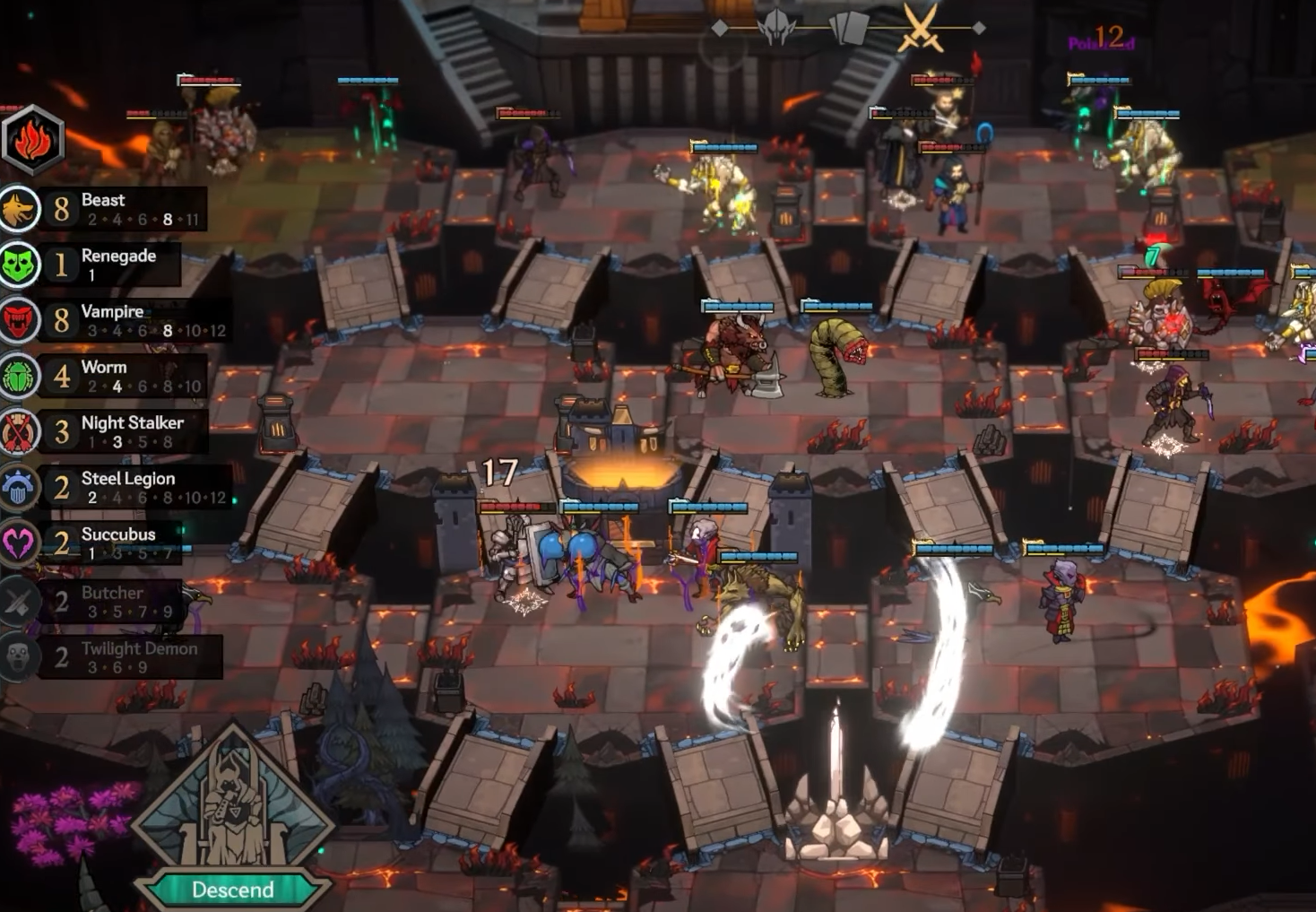
If you’re wondering where this fits on your digital shelf, imagine a blend of deck-building strategy and fast-paced auto-battling.
Build Your Legion: You collect and upgrade cards representing various units and spells.
The Synergy System: With over 20 synergy types, the game rewards clever combinations. Do you go for a “Vampiric” build that heals as it deals damage, or a “Mechanical” build that uses brute force and armour?
Dungeon Management: Between waves, you construct buildings that unlock higher-tier units and grant you passive buffs, turning your lair into an impenetrable fortress.
Visuals That Pop
True to the Dvora Studio pedigree, the art style is stunning. It maintains that signature hand-drawn, dark-fantasy aesthetic that feels both eerie and elegant. The animations are fluid, and the character designs—ranging from skeletal archers to hulking demonic guards—are dripping with personality.
Why It’s a Must-Play in 2025
While the deck-building genre is crowded, Dungeon Monarch stands out because of its pacing. Unlike slower, turn-based card games, the real-time auto-battles force you to think on your feet. You have to decide in a split second whether to drop a protective shield on your frontline or save your mana for a devastating meteor strike.
With its recent arrival on consoles (PlayStation and Xbox) this December, there’s never been a better time to claim your throne.
The Bottom Line: If you’re tired of being the “chosen one” and want to try your hand at being the “final boss,” Vambrace: Dungeon Monarch is a tactical, stylish, and addictive ride.
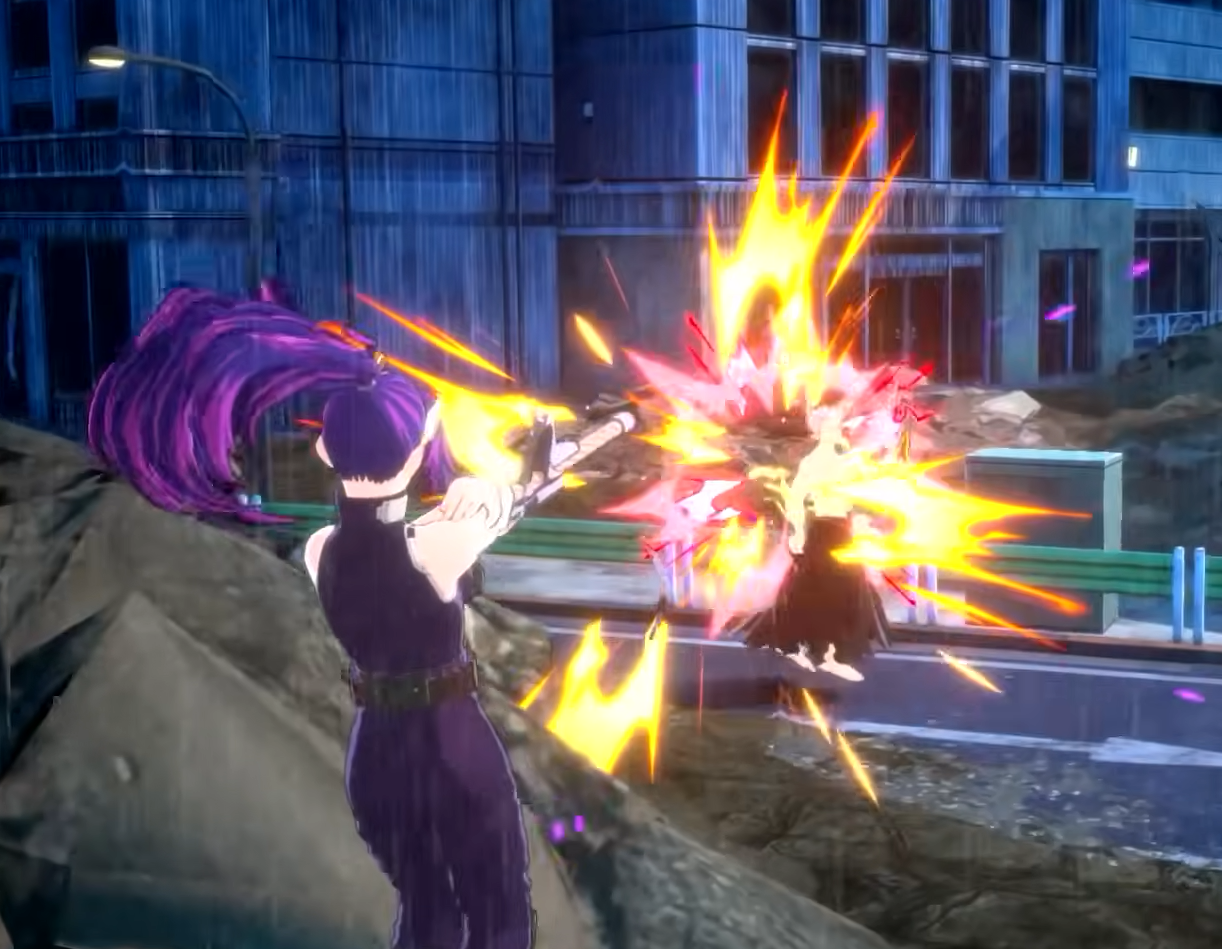
Get ready, Heroes and Villains, because a new sharpshooter is entering the fray in MY HERO ULTRA RUMBLE! Lady Nagant, the enigmatic former pro-hero turned assassin, is bringing her unparalleled marksmanship and devastating rifle to the arena. And let me tell you, she’s not just another face in the crowd – she’s a game-changer!
For those unfamiliar with her, Lady Nagant is a force to be reckoned with from the My Hero Academia manga and anime. Her “Rifle” Quirk allows her to generate a powerful sniper rifle from her hair and arm, along with specialised bullets that she can control with incredible precision. This makes her an absolute terror at long range, and ULTRA RUMBLE looks to capture that essence perfectly.
So, what can we expect from Lady Nagant in MY HERO ULTRA RUMBLE?
A Sniper’s Paradise
It’s safe to assume that Lady Nagant will excel in long-range engagements. Her playstyle will likely revolve around positioning, picking off opponents from afar, and providing crucial support to her team. Imagine setting up on a high vantage point, raining down accurate fire on unsuspecting enemies, and turning the tide of battle with a single, well-placed shot.
MY HERO ULTRA RUMBLE – https://en.bandainamcoent.eu/my-hero-academia/my-hero-ultra-rumble
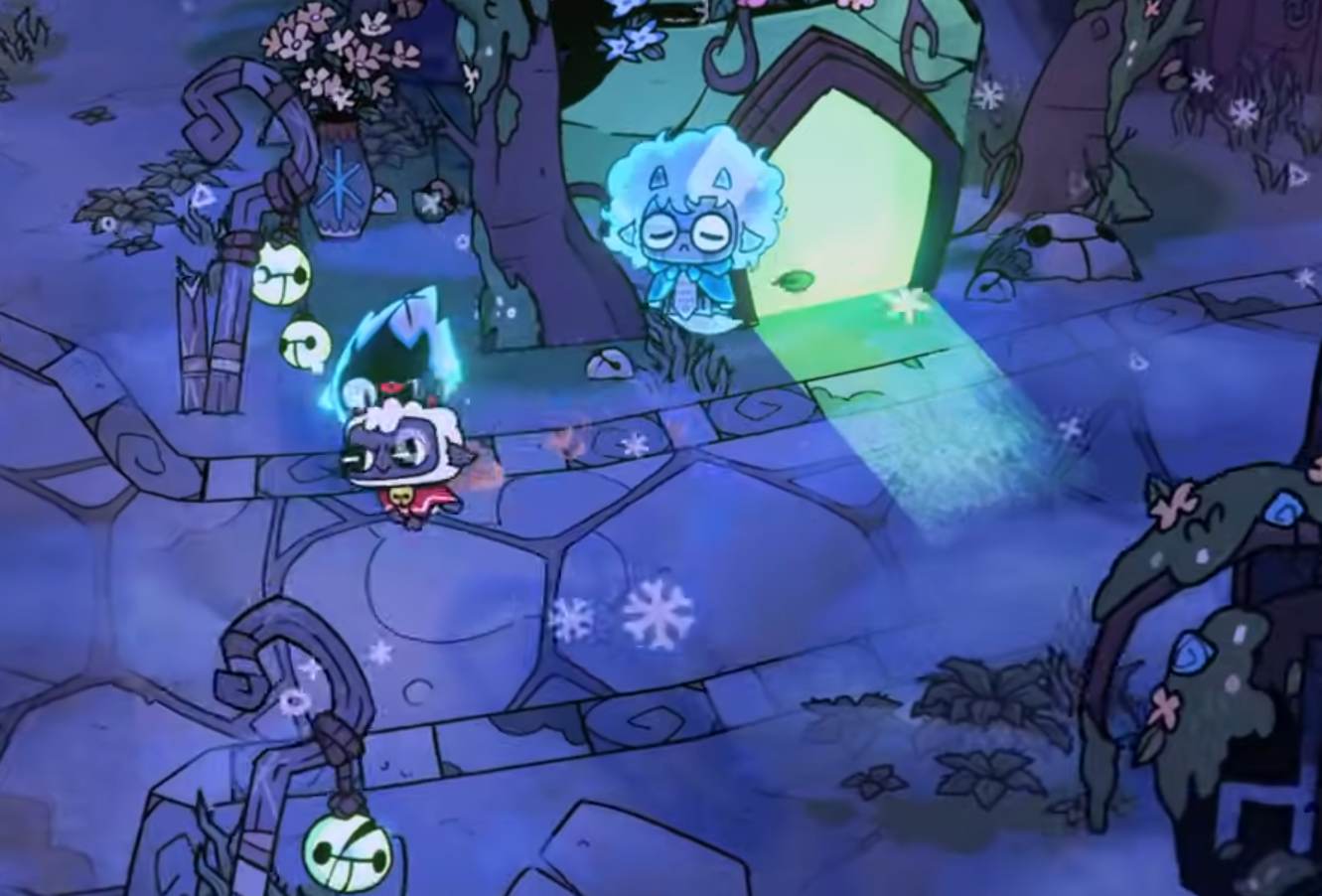
Alright, my fellow devotees and potential new converts, let’s talk about Cult of the Lamb. Specifically, let’s dive into the charmingly macabre world of Woolhaven, the starting hub that quickly becomes your little slice of hell… I mean, heaven.
When I first booted up this game, I expected cute animals and maybe some light resource management. What I got was a full-blown existential crisis wrapped in adorable pixel art and a surprisingly deep roguelike combat system. And it all begins, as every good cult should, with a humble, somewhat blood-stained beginning in Woolhaven.
From Lamb to Leader: The Early Days
You start as a sacrificial lamb, literally, rescued from the brink of oblivion by a mysterious, ancient being. Your mission? To build a cult in its name and defeat the heretical bishops who dared to try and snuff you out. No pressure, right?
Woolhaven is your sanctuary, your base of operations, and the place where you’ll spend just as much time managing your flock as you do smiting enemies. My initial impression was a mix of “aww, look at the little guys!” and “oh god, everyone’s starving and sleeping in their own filth.”
Building your cult isn’t just about constructing pretty altars and preaching sermons. It’s about sanitation, food production, faith management, and even dealing with dissenters. My first few hours were a chaotic scramble to keep everyone happy (or at least alive), while simultaneously venturing out into the procedurally generated crusades to gather resources and recruit new followers.
The Balancing Act: Faith, Food, and Filth
This is where Woolhaven truly shines as a game mechanic. It’s a constant balancing act.
Faith: Keeping your followers’ faith high is paramount. Regular sermons, blessings, and even rituals (some more benevolent than others) are crucial. A low-faith follower can become a dissenter, spreading discontent and even leaving your cult.
Food: Everyone needs to eat! Farming, fishing, and cooking are essential. And let me tell you, running out of food during a particularly brutal winter is a stressful experience. I’ve definitely made some questionable culinary choices in the name of survival.
Filth: This one’s a constant battle. Your followers aren’t exactly the cleanest bunch, and without proper latrines and regular sweeping, Woolhaven can quickly become a biohazard zone, leading to illness and plummeting faith. Nothing quite says “cult leader” like personally cleaning up follower vomit.
Beyond the Basics: Expansion and Evolution
As you progress, Woolhaven grows. You unlock new buildings, decorations, and rituals. Your humble camp transforms into a bustling, if still slightly unsettling, religious commune. I loved seeing my small collection of tents and berry bushes evolve into a fortified compound with lavish temples, resource-generating structures, and even a mortuary (because, let’s be honest, not everyone makes it).
The customisation options are surprisingly deep, allowing you to truly make Woolhaven your own. Want a cult focused on farming? Go for it! Prefer a more aggressive, sacrifice-heavy approach? The game supports that too. Each decision you make, both in combat and in base management, feels impactful.
Why Woolhaven is More Than Just a Hub
What makes Woolhaven so compelling isn’t just the mechanics; it’s the sheer personality. The quirky follower designs, the often hilarious dilemmas they present, and the dark humour woven into every aspect of cult management make it a joy to return to after a tough crusade. It’s your home, your responsibility, and the core of your power.
It’s a testament to the game’s design that even when I’m tearing my hair out trying to manage a plague or a food shortage, I still find myself oddly fond of my little flock. They’re weird, they’re demanding, but they’re my weird, demanding cultists.
So, if you’re looking for a game that blends roguelike combat with deep base building and a healthy dose of dark humour, look no further than Cult of the Lamb. And prepare to get intimately familiar with the charmingly chaotic world of Woolhaven. Just remember to clean up after your followers. Trust me on that one.
What are your favourite (or most frustrating) Woolhaven moments? Let me know in the comments below!
Cult of the Lamb: Woolhaven – https://www.devolverdigital.com/
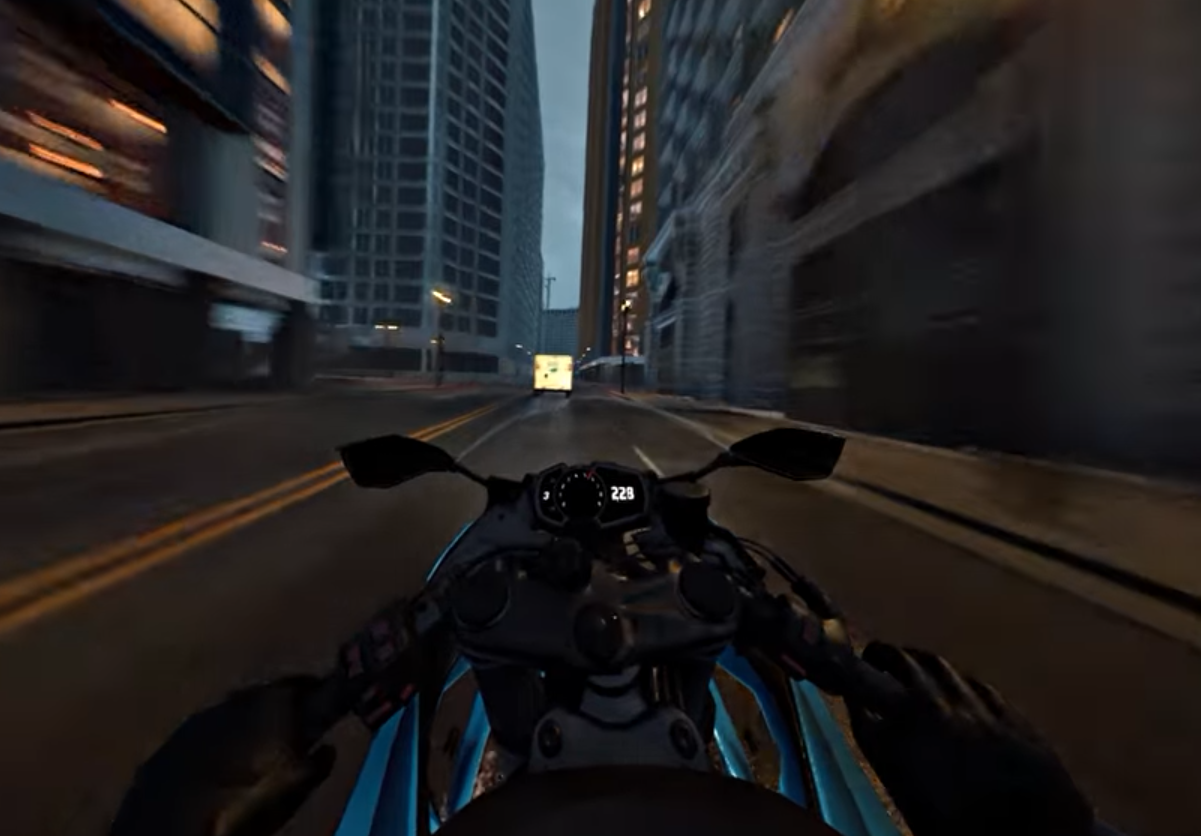
Are you ready to rev your engines, weave through bumper-to-bumper traffic, and experience the thrill of the open road (or rather, the incredibly not open road)? Then look no further than Lanesplit, the mobile game that’s taking the arcade racing world by storm!
Lanesplit isn’t just another endless runner; it’s a test of reflexes, a masterclass in precision, and a pure adrenaline rush wrapped up in a sleek, visually appealing package.
What is Lanesplit?
At its core, Lanesplit is a top-down, infinite traffic dodger where you control a motorcycle, hurtling down a multi-lane highway. Your goal? To survive as long as possible, collect coins, and achieve the highest score by performing daring “lanesplits” – squeezing between two fast-moving vehicles.
Why We Love It:
1. Simple Yet Addictive Gameplay: The controls are incredibly intuitive. Tap and hold to accelerate, release to slow down, and swipe left or right to change lanes. But don’t let the simplicity fool you; mastering the art of the perfect lanesplit and navigating increasingly dense traffic requires great skill and focus.
2. The Thrill of the Lanesplit: This is where the game truly shines! Successfully splitting lanes not only looks cool but also rewards you with bonus points and a satisfying sense of accomplishment. The closer you get to the vehicles, the higher the risk and the bigger the reward. It’s a high-stakes dance with danger that keeps you coming back for more.
3. Stunning Visuals and Environments: Lanesplit boasts impressive graphics with detailed motorcycles and varied environments. From bustling cityscapes to serene countryside roads, each setting offers a fresh visual experience that prevents the gameplay from feeling repetitive.
4. A Garage Full of Rides: What’s a motorcycle game without an awesome collection of bikes? Lanesplit delivers! As you collect coins, you can unlock and upgrade a variety of motorcycles, each with different stats and aesthetics. Find your favourite ride and dominate the highway in style.
5. Endless Replayability: With its endless nature and ever-increasing difficulty, Lanesplit offers incredible replayability. Every run is different, and there’s always a new high score to chase, a new bike to unlock, or a new challenge to overcome.
Tips for Dominating the Lanes:
Patience is Key: Don’t just hold down the accelerator! Learn to tap and release to control your speed and set up perfect lane splits.
Anticipate Traffic: Look ahead and plan your moves. Knowing when to switch lanes and when to slow down is crucial.
Go for the Close Calls: While risky, close lane splits yield the most points. Practice makes perfect!
Upgrade Wisely: Invest your coins in bikes that suit your playstyle. Improved handling and acceleration can make a big difference.
Final Verdict:
Lanesplit is a fantastic mobile game that perfectly blends accessible arcade action with a deep sense of challenge and reward. It’s the kind of game you pick up for a few minutes and suddenly realise an hour has passed. If you’re a fan of high-speed thrills, intense action, and the satisfaction of mastering a challenging skill, then Lanesplit is an absolute must-download.
So, what are you waiting for? Download Lanesplit today and start your journey to becoming the ultimate traffic ninja!
Rainbow Six Siege has always been a game that thrives on its tactical depth and ever-evolving meta. But every now and then, it’s exciting to see the developers shake things up in a truly unique way. Enter Rainbow Six Siege X: Wildcards, a limited-time game mode that recently injected a much-needed dose of chaos and creativity into the competitive scene.
For those who missed it, Wildcards wasn’t your typical Siege match. It was a 5v5 game mode played on specific maps, but with a twist: every operator’s abilities were amplified, distorted, or even completely changed. Imagine a Blitz with infinite shield flashes, a Montagne who could extend his shield while sprinting, or a Kapkan who deployed five traps at once! It was a playground of “what if” scenarios that turned familiar operators into unpredictable powerhouses.
The Good, The Bad, and The Utterly Bonkers
The immediate appeal of Wildcards was its sheer unpredictability. Strategies that were rock-solid in standard Siege were often useless, forcing players to adapt on the fly and experiment with new combinations. This led to some truly hilarious and memorable moments.
The “Good”:
Fresh Meta: Wildcards completely upended the traditional meta. Operators rarely seen in competitive play suddenly became incredibly powerful, encouraging players to try new things and discover surprising synergies.
Creative Gameplay: The altered abilities led to incredibly creative plays. Imagine a Smoke player throwing all their gas grenades at once, creating an impenetrable toxic cloud, or a Lion using his scan so frequently that attackers were constantly revealed.
Lower Stakes, More Fun: While still competitive, Wildcards felt less “sweaty” than ranked. The emphasis was on having fun and experimenting, making it a great way to blow off steam and enjoy the game in a different light.
Learning Opportunity: Believe it or not, Wildcards could actually help players improve their regular Siege game. Understanding how drastically different abilities interact can deepen your overall tactical awareness.
The “Bad”:
Balance? What Balance?: Let’s be honest, balance was not the primary concern here. Some operators were undeniably stronger than others, leading to a few frustrating matchups. But that was part of the charm!
Steep Learning Curve: Going from standard Siege to Wildcards felt like learning a new game entirely. It took a few matches to get a grip on the new abilities and how to counter them.
Limited Availability: Like all good things, Wildcards was a limited-time event. Many players, myself included, wished it would stick around longer or make more frequent appearances.
Highlights and Standout Operators
Some operators truly shone in the Wildcards environment.
Blitz: With infinite flashes and increased speed, Blitz became a true nightmare for defenders.
Finka: The ability to constantly boost teammates, combined with accelerated revives, made Finka an invaluable support.
Capitao: Infinite fire bolts created massive area denial and quickly flushed out entrenched defenders.
Kapkan: Placing multiple EDDs at once turned objective rooms into deadly minefields.
The Future of Wildcards?
Wildcards was a resounding success, demonstrating that the Siege community is eager for experimental and fun game modes. It showed that even a game as established as Rainbow Six Siege can reinvent itself and offer fresh experiences.
Hopefully, this isn’t the last we’ve seen of the Wildcards concept. Whether it returns with similar ability changes or explores entirely new modifications, the potential for future iterations is immense. It’s a fantastic way to keep the game feeling fresh and exciting, offering a break from the intensity of ranked while still providing engaging, tactical gameplay.
What were your favourite Wildcards moments? Which operator did you find most surprisingly powerful, or hilariously broken? Share your thoughts in the comments below!
Rainbow Six Siege X – https://www.ubisoft.com/en-gb/game/rainbow-six/siege
Fans of the cooperative zombie-slaying action of World War Z have something truly exciting to sink their teeth into: the new “Aftermath” DLC! This isn’t just a small content drop; it’s a significant expansion that brings new perspectives, new threats, and even more frantic fun to the already intense world of World War Z. So grab your strongest weapon, rally your squad, and let’s dive into what makes Aftermath a must-play for veterans and newcomers alike.
First-Person Ferocity: A Game Changer!
Perhaps the most impactful addition in Aftermath is the First-Person Mode. While the original game’s third-person perspective allowed for a good overview of the chaos, switching to first-person completely redefines the experience. Imagine standing shoulder-to-shoulder with your teammates, the towering waves of zombies now feeling even more immediate and terrifying as they surge towards you. Every close call, every headshot, every swing of a melee weapon feels incredibly visceral and personal.
This new perspective isn’t just a gimmick; it genuinely amplifies the tension and immersion. You’ll find yourself more acutely aware of every rustle and groan, making the already challenging encounters even more heart-pounding. It’s an optional mode, so you can switch between perspectives, but once you go first-person, you might find it hard to go back!
New Locations, New Dangers: Rome and Kamchatka
Aftermath takes us to two brand new, distinct locations, each with its own unique challenges and atmosphere.
First, we head to Rome. The ancient, beautiful streets of the Eternal City are now overrun with the undead. Fighting through iconic landmarks, navigating narrow alleyways, and utilising the urban environment for strategic defence creates a fresh tactical experience. The contrast between the historical grandeur and the apocalyptic horror is striking, making for some truly memorable battlefields.
Then, the journey takes us to the frozen, unforgiving landscape of Kamchatka. This new episode throws players into brutal blizzards and desolate industrial zones, adding a layer of environmental hazard to the constant zombie threat. The harsh weather conditions can obscure vision and slow movement, demanding even greater coordination and resourcefulness from your team.
Both locations bring new narrative elements, expanding the lore of the World War Z universe and giving players more reasons to fight against the relentless tide.
The Swarm Just Got Angrier: New Special Zombies
What’s a zombie game without new special infected to keep you on your toes? Aftermath introduces a terrifying new enemy: the Rats. No, not just a few scurrying rodents, but hordes of them that can quickly overwhelm unsuspecting players. These aren’t your typical slow-moving zombies; the rat swarm is fast, relentless, and demands a different approach to combat. You’ll need to be quick on your feet and communicate effectively to avoid being swarmed and torn apart.
While the exact details of other new special zombies are best experienced firsthand, suffice it to say that the developers have found new ways to challenge players, forcing them to adapt their strategies and master new tactics.
The Vanguard Class and Melee Mayhem
Aftermath also brings a brand new playable class to the roster: the Vanguard. This class is designed for players who love to get up close and personal with the undead. Equipped with a powerful electrified shield, the Vanguard can literally charge through hordes of zombies, knocking them back and creating vital breathing room for their teammates.
This emphasis on melee combat is further enhanced by a new, deeper melee system. Expect more variety in weapons, new perks, and satisfyingly brutal animations that make cleaving through the undead more enjoyable than ever.
Horde Mode XL: The Ultimate Test
If you thought the regular Horde Mode was intense, prepare yourself for Horde Mode XL. This new iteration significantly increases the number of zombies on screen, pushing the game’s Swarm Engine to its absolute limits. We’re talking about truly colossal hordes that will test your team’s coordination, resource management, and sheer grit. It’s the ultimate challenge for those who crave unrelenting action and want to see just how long they can survive against impossible odds.
Final Thoughts: Is Aftermath Worth It?
Absolutely. World War Z: Aftermath is more than just an expansion; it feels like a significant upgrade to the core game. The first-person perspective fundamentally changes the feel of combat, the new locations are beautifully designed and challenging, and the new class and enemies add valuable depth. For fans of the original, it’s a no-brainer. For those who haven’t jumped into World War Z yet, Aftermath offers the most complete and thrilling experience to date.
So, if you’re ready to face an even bigger, badder, and more immersive zombie apocalypse, then gather your squad, load up, and dive into World War Z: Aftermath. The swarm awaits!