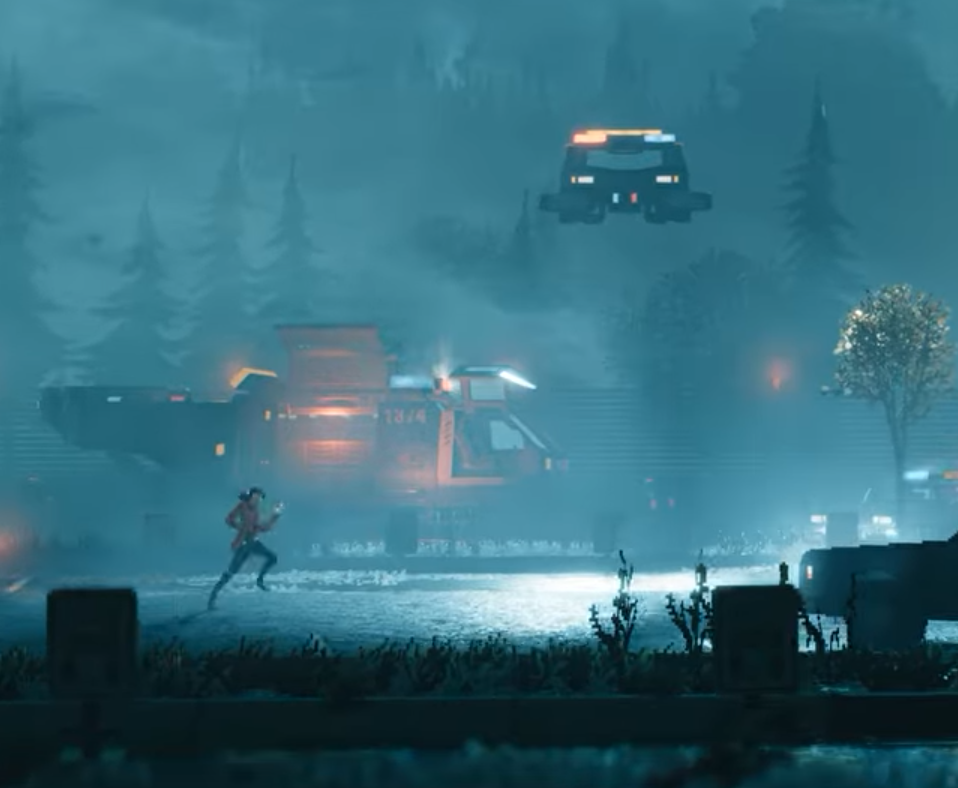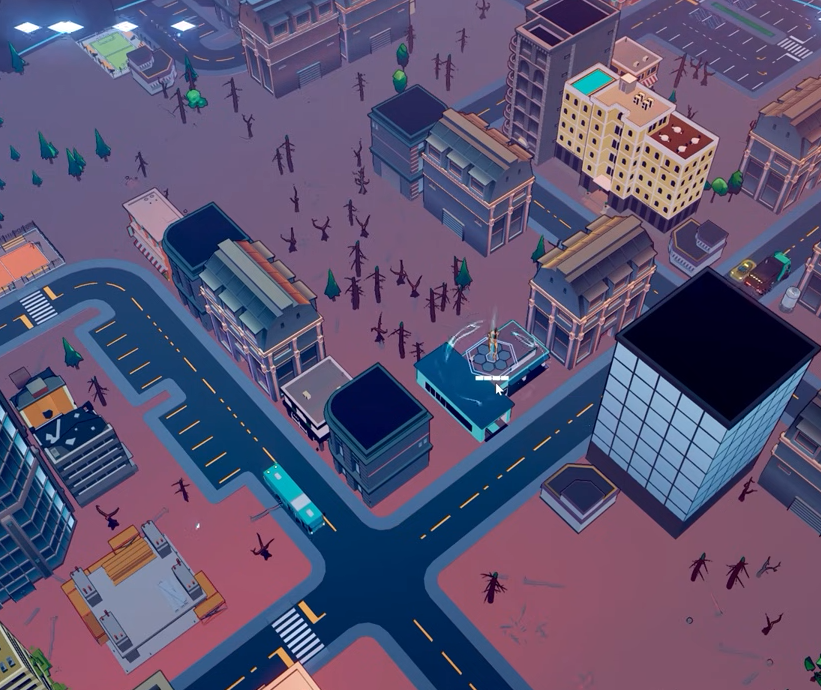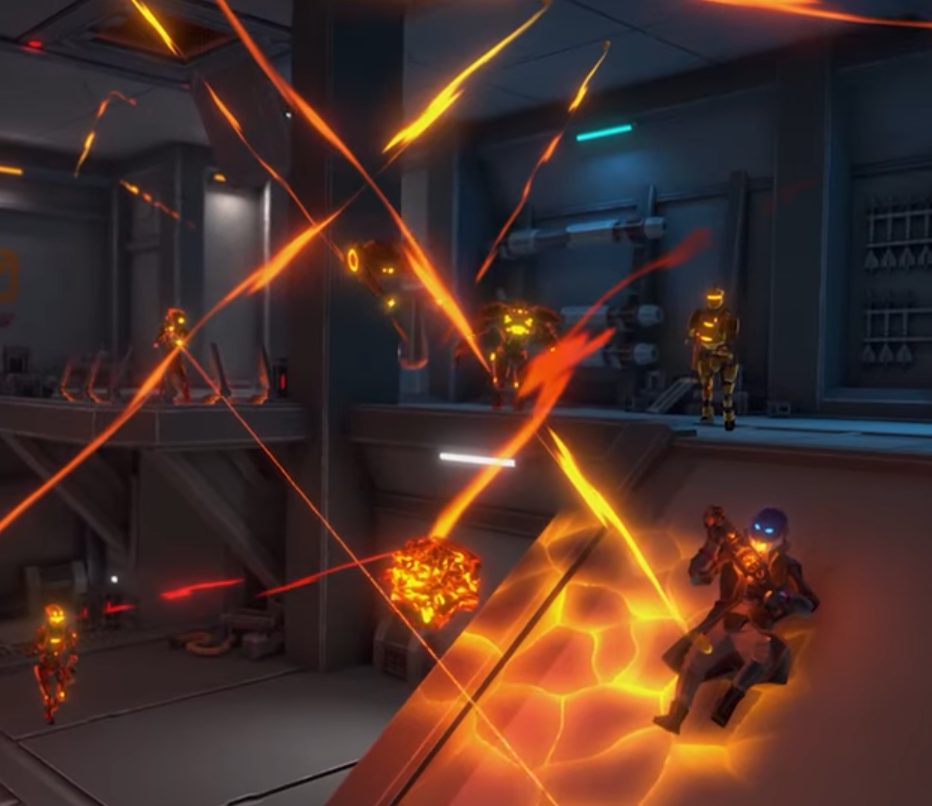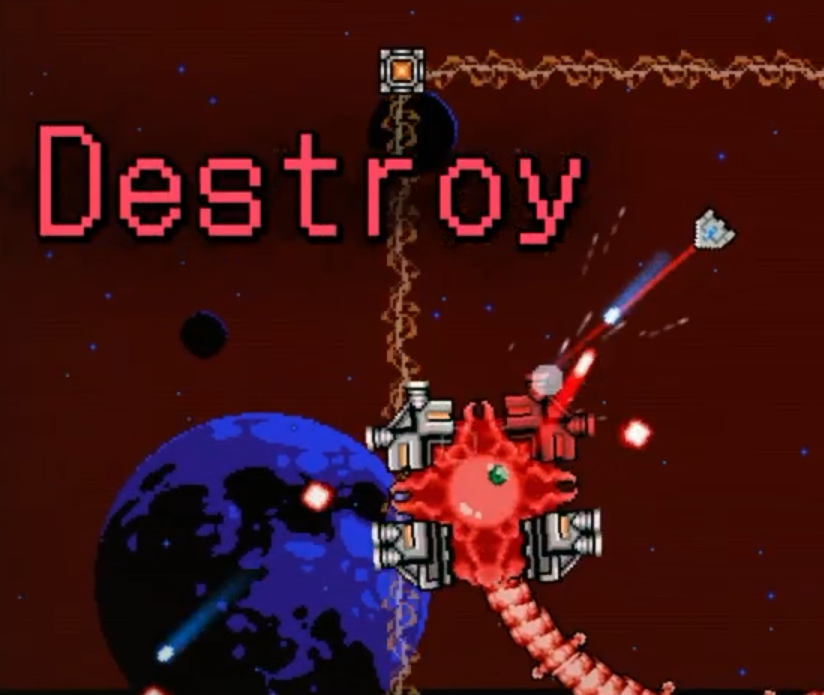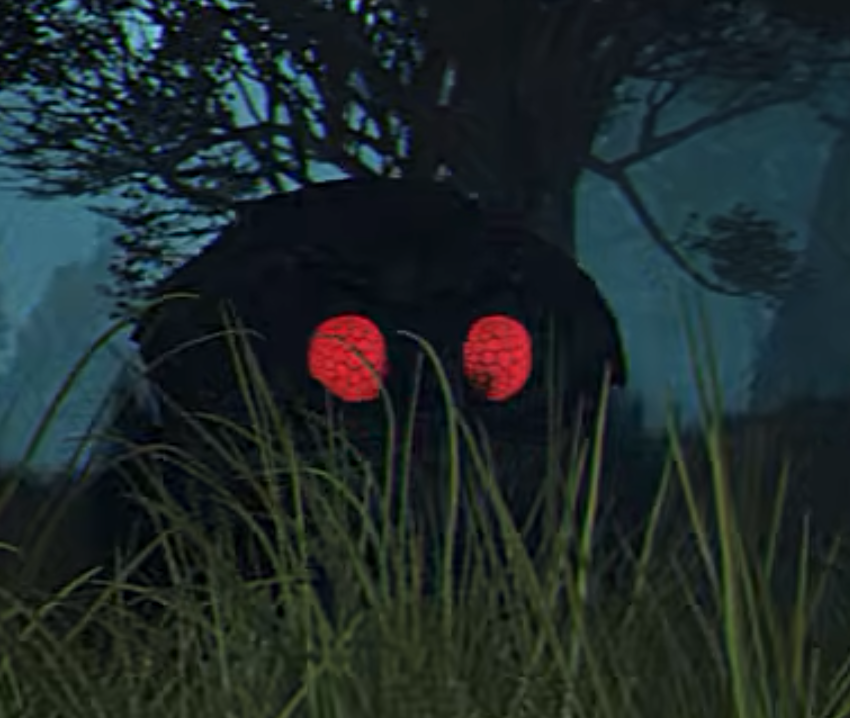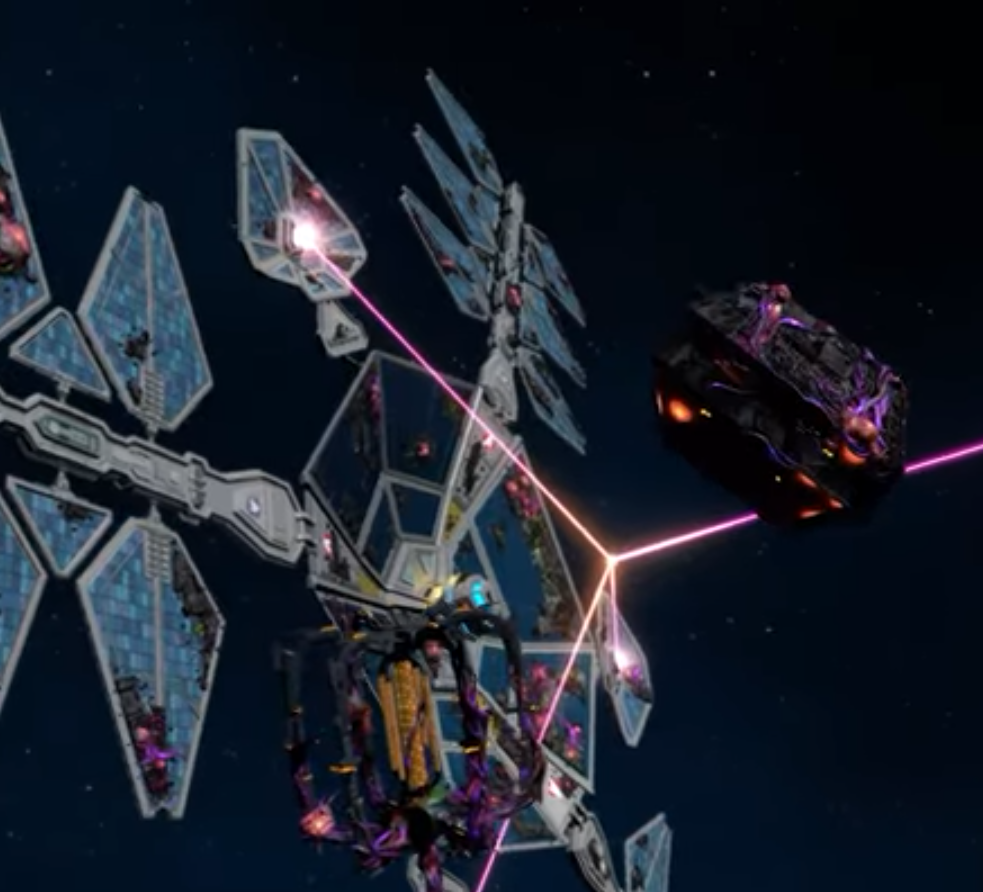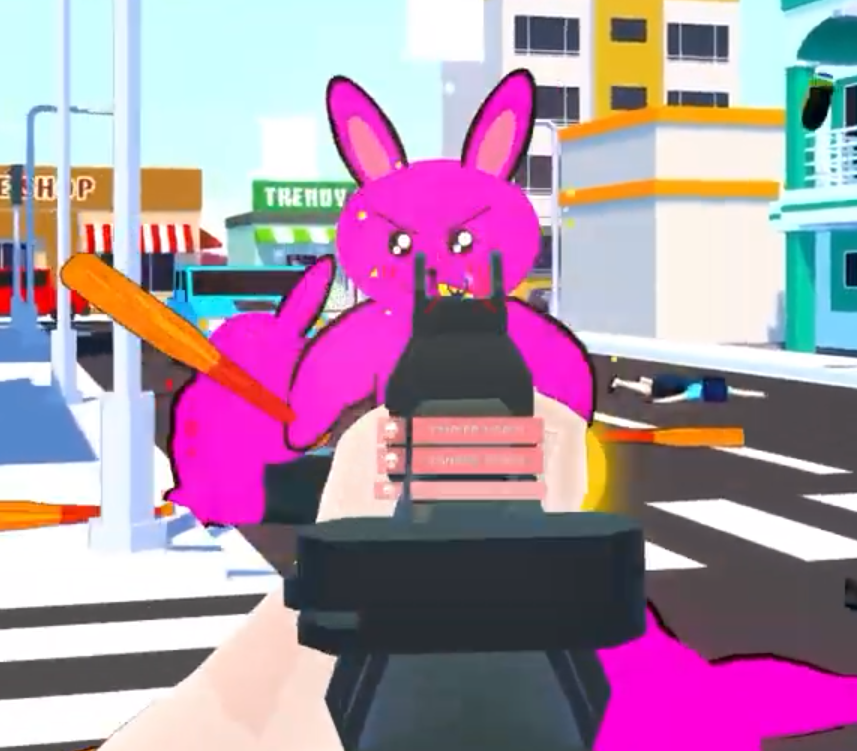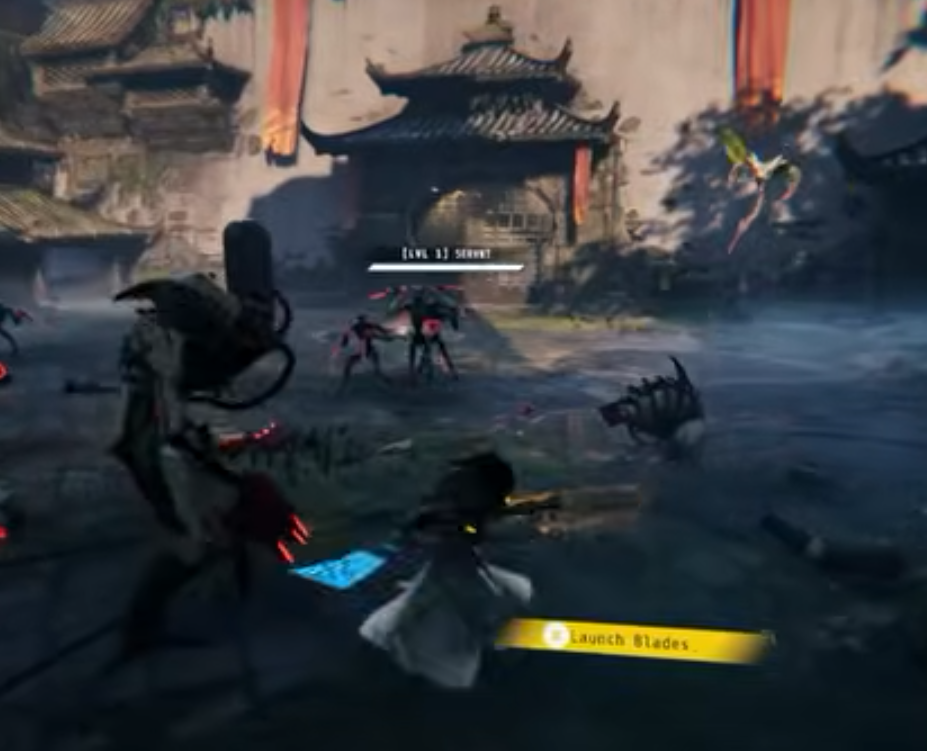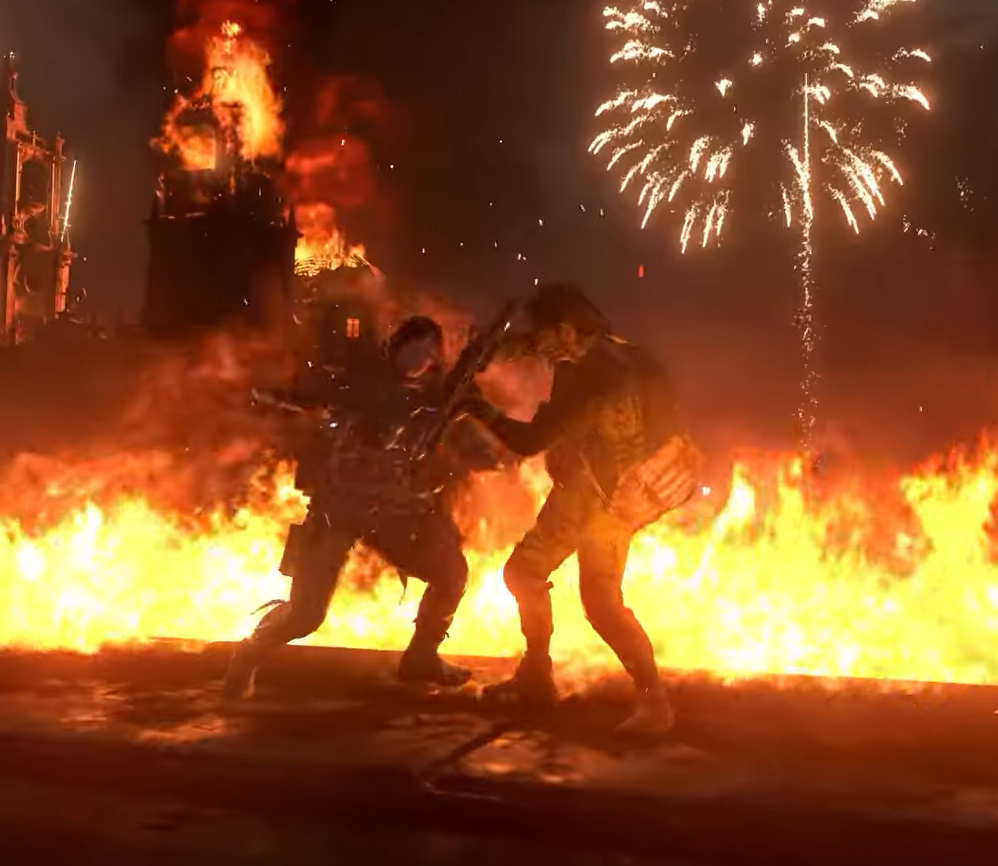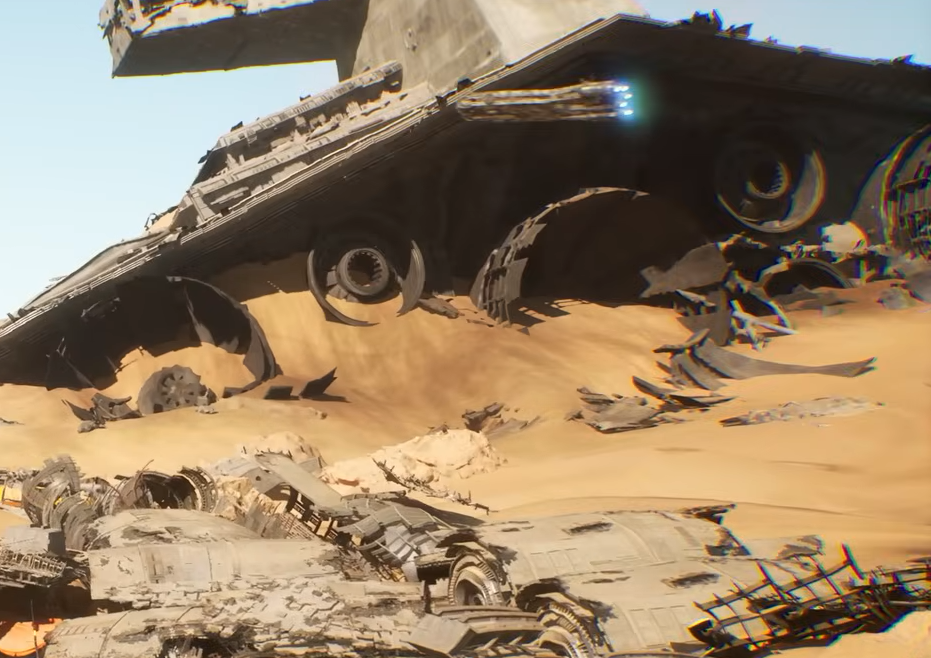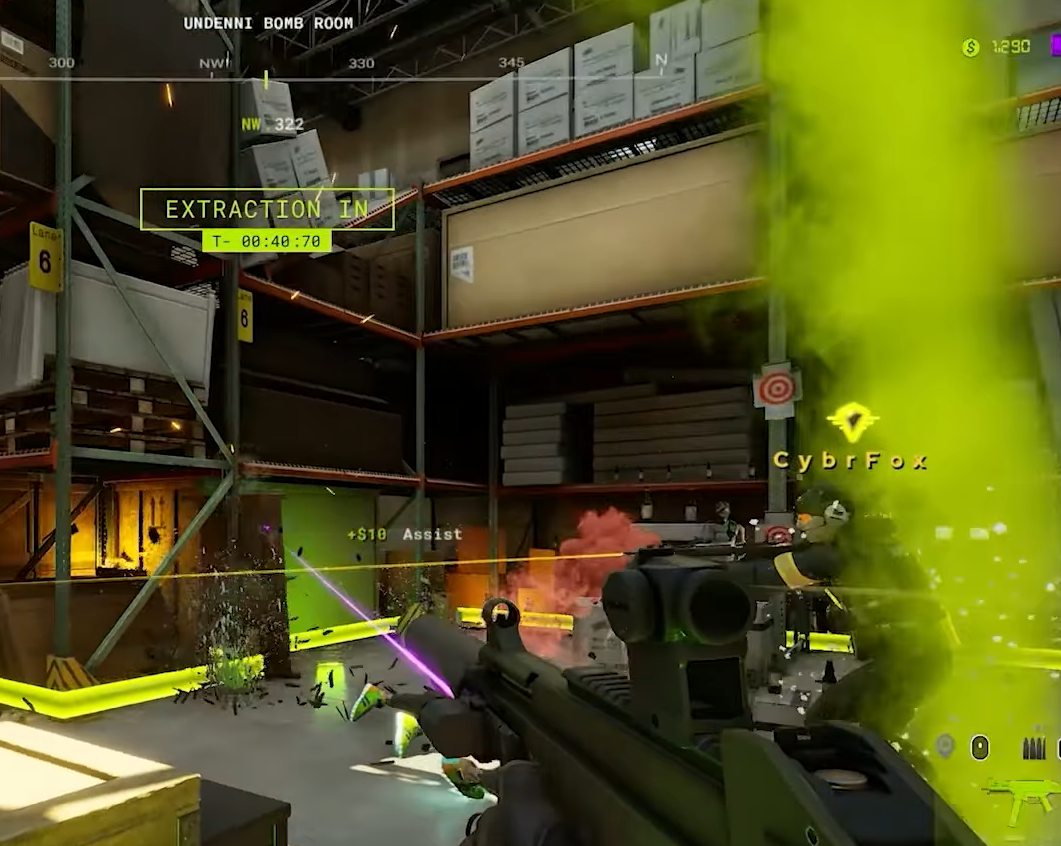
The world ended, but the crawl never stops. In DuneCrawl, every decision carries the weight of a sandstorm.
Will you play it safe on the ridges or dive deep into the craters for the high-tier loot? Remember: your engine is your heart, and your fuel is your lifeblood. Upgrade wisely, or find yourself stranded in the salt flats.
Key Features:
Procedural Sandscapes: No two crawls are ever the same.
Deep Customisation: Modular vehicle builds for every playstyle.
Perma-threat: One wrong turn can end your run.
Drop your best rig builds in the comments!
Find out more here – https://store.steampowered.com/app/1833200/DuneCrawl/
Forget waiting a week for your numbers to go up. This game is incremental madness on fast-forward.
Let’s be honest about the idle game genre. We love them. There is something primally satisfying about watching a number grow from “1” to “1.5 quindecillion.”
But we also hate them. We hate that point—usually about three days in—where progress grinds to a halt. You’ve bought all the reasonable upgrades, and now you’re just waiting. You close the tab, check back in eight hours, buy one thing, and close it again. The “game” part has stopped, and it’s just a glorified screensaver.
If that mid-game slump drives you crazy, I have a solution. It’s called Rushcremental, and it is the incremental game for people with zero patience.
The Oxymoron of “Active Idle”
Rushcremental (often found on itch.io or various web game portals) lives up to its portmanteau name. It takes the core concept of incremental progression—click thing, get currency, buy upgrade, get currency faster—and injects it with a massive dose of adrenaline.
The premise of most idle games is “set it and forget it.” The premise of Rushcremental is “click it, upgrade it, reset it, and do it again—FAST.”
It is an idle game that demands your full attention. If you look away for five minutes to make a sandwich, you have genuinely missed optimal strategic windows.
The Dopamine Loop on Fast-Forward
What makes Rushcremental stand out in a crowded market? It’s the pacing of the rewards.
In a standard clicker game, the dopamine hits start fast and then space out further and further apart. In Rushcremental, the game is designed to keep those hits coming at a breakneck pace.
The early game flies by in seconds. Suddenly, you hit a wall. But unlike other games where the wall means waiting two days, in Rushcremental, the wall means it’s time to Prestige (reset).
The Art of the Quick Prestige
The “Prestige” mechanic—resetting all your progress in exchange for a permanent multiplier—is standard fare for the genre.
Rushcremental twists this by making prestiging a minute-by-minute activity rather than a weekly event. The game is designed so that your progress slows down drastically very quickly. Your goal isn’t to build the biggest empire possible in one run; your goal is to reach the most efficient reset point as fast as possible.
Repeat the whole process, but now everything is five times faster.
It turns the passive waiting game into an active optimisation puzzle. Do I push for ten more seconds to get that next tier upgrade, or do I reset now because my current multiplier is stale?
Who Is This Game For?
Rushcremental isn’t for everyone. If you like the slow-burn satisfaction of checking in on a digital farm once a day, this will stress you out.
But, this game is for you if:
You love the start of idle games but hate the middle.
You enjoy min-maxing and figuring out the most efficient path through a system.
You want a game you can actively play for 20 minutes during a coffee break and feel like you accomplished a huge amount of progression.
The Final Verdict
Rushcremental proves that the idle genre doesn’t have to be boring. By compressing the weeks-long grind of traditional clickers into bite-sized, frantic sessions, it creates a uniquely engaging experience. It’s the perfect game for the modern attention span: high numbers, fast rewards, and zero waiting required.
Just be warned: your mouse finger will get tired.
Rushcremental on Steam – https://shorturl.at/7FQ3u
Before Armoured Core VI returned to the throne, this vibrant, fast-paced spiritual successor was keeping the giant robot dream alive. Here’s why it’s still worth strapping into your Arsenal today.
For a long time, the mech genre felt like it was in cryosleep. Fans of customised robotic warfare were left waiting, replaying old titles and hoping for a revival. Then, in 2019, a streak of neon-colored lightning hit the Nintendo Switch (and later PC). It was called Daemon X Machina.
Helmed by Kenichiro Tsukuda—a veteran producer of the legendary Armoured Core series—and featuring mechanical designs by the visionary Shoji Kawamori (of Macross fame), Daemon X Machina arrived with a serious pedigree. It promised deep customisation, breakneck speed, and an aesthetic unlike anything else on the market.
While it may have flown under the radar for some, this game is a chaotic, flawed, and absolutely addictive gem that deserves a second look. If you love building giant robots and then using them to blow up other giant robots, here is why you need to reclaim your destiny.
The Loop: Loot, Build, Destroy
At its heart, Daemon X Machina is a third-person action shooter with a heavy emphasis on “looting.” You play as a “Reclaimer”—a mercenary pilot in a post-apocalyptic world where the moon has shattered, raining strange energy onto the Earth and turning AIs against humanity.
Your tool of the trade is the Arsenal, a highly customizable mech. The core gameplay loop is intoxicatingly simple:
Accept a mercenary contract (mission).
Drop into a battlefield and obliterate corrupted machines and rival mercenaries in fast-paced aerial combat.
This is key: When you down an enemy Arsenal, you can fly over to their wreckage in real-time and rip weapons or armour parts right off their chassis to add to your inventory.
Return to base, take your new loot into the hangar, and spend hours obsessing over your build.
The immediacy of looting on the battlefield is fantastic. See an enemy with a cool laser sword? Shoot them down and take it. It turns every encounter into a potential shopping spree.
The Hangar: Where Hours Disappear
If you are the type of gamer who spends more time in menus tweaking stats than actually playing the game, welcome home.
The customisation in Daemon X Machina is deep and satisfying. You aren’t just slapping on a new gun; you are balancing weight, energy consumption, memory usage, boost speed, and lock-on ranges. Do you want a hulking tank that dual-wields bazookas? Do you want a lightning-fast ninja mech with a katana and an SMG? Do you want to specialise in long-range sniping or area-of-effect missile swarms?
The game encourages you to build multiple Arsenals for different mission types. And crucially, it lets you make them look incredible. The paint and decal options allow for some serious “Fashion Mech,” ensuring your machine looks as deadly as it performs.
The Vibe: Neon Apocalypse and Heavy Metal
Where many mech games lean into gritty, grey military realism, Daemon X Machina kicks down the door wearing neon sunglasses.
The art style is a striking, cel-shaded comic book brought to life. The world is bathed in vibrant reds, electric blues, and radioactive greens. It’s a stylistic choice that ensures the action remains readable even when dozens of missiles and lasers fill the screen.
Matching this high-energy visual style is an absolutely shredding soundtrack. The music is a driving mix of heavy metal and industrial rock that fits the mechanical carnage perfectly. When the guitar riffs kick in during a boss battle against a colossal “Immortal,” your adrenaline will spike.
The Honest Truth: It’s Not Perfect
It would be disingenuous to recommend Daemon X Machina without acknowledging its rough edges.
The story is, to put it mildly, a convoluted mess of anime tropes. There is a massive cast of mercenary characters, rival factions, and shadowy organisations, and it can be very hard to care about who is betraying whom and why. Most players eventually tune out the dialogue and just focus on the mission objectives.
Furthermore, the mission variety can wear thin in the late game. You will find yourself doing a lot of “destroy all enemies” or “defend this target” objectives repeatedly. While the combat remains fun, the context for it gets repetitive.
The Verdict: Strap In
Despite its narrative flaws and repetitive mission structures, Daemon X Machina succeeds where it counts: the moment-to-moment gameplay.
The sheer joy of piloting a fully customised Arsenal, boosting through the air at breakneck speeds while dodging a barrage of lasers, feels incredible. It fills a niche between the slower, methodical pacing of older mech sims and high-speed character action games.
If you are looking for a game where you can turn your brain off, crank up the metal soundtrack, and spend dozens of hours building the ultimate war machine, Daemon X Machina is waiting for you in the hangar.
Daemon X Machina: Titanic Scion – https://na.daemonxmachina.com/titanicscion/
The infamous research facility is betting its future—and perhaps ours—on an algorithmic system designed to chart the course of destiny. Is this redemption, or hubris redux?
Let’s be honest. When you hear the words “Black Mesa Research Facility,” comfort isn’t the first emotion that springs to mind.
For decades, the name has been synonymous with cutting-edge brilliance overshadowed by catastrophic failure. It represents the absolute apex of human scientific ambition, forever tainted by the “Resonance Cascade” event that changed… well, everything. Since then, Black Mesa has operated in the shadows, a titan attempting to rebuild its reputation while continuing to poke at the fabric of reality with very sharp sticks.
But today’s announcement changes the game entirely. Black Mesa is stepping out of the shadows, and they aren’t alone.
In a press release that has sent shockwaves through both the theoretical physics community and algorithmic think-tanks, Black Mesa has officially announced a deep-integration partnership with the enigmatic Moros Protocol.
The Players
If you follow fringe computing developments, you’ve heard about the Moros Protocol. Named after the Greek personification of impending doom and inevitable fate, Moros isn’t your standard predictive AI. It doesn’t analyse consumer habits or stock trends.
The Moros Protocol is designed for “Macro-Causal Certainty.” It consumes vast amounts of chaotic data to model unavoidable outcomes. In layman’s terms: it doesn’t just guess what might happen; it calculates what must happen once certain thresholds are crossed. It is the digital architecture of destiny.
Then, we have Black Mesa. They have the hardware. They have access to anomalous materials that defy standard physics. They have the Lambda Complex. They have the raw power to punch holes in the universe.
What they have always lacked is foresight.
Why This Collaboration Scares People (And Why It’s Brilliant)
The stated goal of the collaboration is “Stabilised Anomalous Interfacing.”
Black Mesa claims that by feeding their real-time experimental data regarding quantum tunnelling and dimensional manipulation into the Moros Protocol, they can achieve something previously thought impossible: a safety net for reality-bending science.
The theory is that Moros can see the “inevitable outcome” of an experiment before Black Mesa technicians even throw the switch. If Moros detects a causality chain leading to another Resonance Cascade, it can terminate the procedure pre-emptively.
Dr Isaac Kleiner, speaking for Black Mesa’s Theoretical Physics Division, offered this statement:
“We have spent years reacting to the volatile nature of our research materials. We were explorers without a map in a terrain that actively resists being charted. The Moros Protocol gives us that map. It doesn’t just predict the future; it outlines the rigid boundaries of fate, allowing us to work right up against the edge without falling over.”
The Underlying Dread
While the press release is couched in terms of safety and stabilisation, the subtext is what has industry observers sleeping with the lights on.
You are taking the people who accidentally opened a portal to a hostile alien borderworld and handing them a tool that dictates fate.
There is a philosophical terror at play here. If the Moros Protocol is truly accurate at predicting “inevitable fate,” what happens when Black Mesa uses its immense technological capability to try to break that prediction?
Are they using Moros to avoid disaster? Or are they using Moros to find the precise weak points in causality where they can force a desired outcome—essentially trying to scientifically engineer destiny?
If Black Mesa broke physics the first time around, there is a very real fear that this collaboration could break causality itself.
The Future is Calculated
We are entering a new era of super-science. The cowboy days of flipping switches in the Anomalous Materials Lab and hoping for the best are over.
The partnership between Black Mesa’s raw, universe-altering power and the cold, deterministic calculations of the Moros Protocol means that whatever happens next won’t be an accident. It will be an inevitability.
We just have to hope that the destiny they are calculating is one we can survive. Keep your eyes on New Mexico, folks. Things are about to get very interesting again.
Moros Protocol and Black Mesa Collaboration on Steam – https://shorturl.at/Rl18p
Space is cold, but the action is heating up. Dive into the festive “Battleshooter” event, earn exclusive rewards, and bring some Yuletide cheer to the crushing vacuum of the frontier.
Commanders, attention on deck!
The sensors are picking up something unusual in the neutral zone. It’s not another pirate fleet, and it’s not a Void anomaly. It appears to be… tinsel?
That’s right. The holiday season has officially arrived in Starborne: Frontiers, and it’s bringing a cargo hold full of festive chaos. The community has affectionately dubbed this year’s festivities the “Battleshooter” event, and if you’ve logged in the past 24 hours, you know exactly why: the only way to spread cheer out here is with overwhelming firepower.
If you’ve been looking for an excuse to jump back into the pilot’s seat, or if you’re a daily grinder looking for the next big challenge, this is the most wonderful time of the year.
Here is your briefing on what to expect during the Starborne: Frontiers holiday event.
The Atmosphere: Frost and Firepower
The developers over at Solid Clouds usually do a great job of setting the mood, and this event is no exception. Forget the usual drab greys of military stations; the Frontier has received a festive makeover.
You can expect a complete UI reskin, with snowy overlays, twinkling lights adorning your station, and a suitably epic, jingle-bell-infused soundtrack to accompany your orbital bombardments. It’s a great contrast—managing high-stakes sci-fi warfare while your home base looks like a futuristic gingerbread house.
The “Battleshooter” Mechanics: How to Play
This event isn’t just about looking pretty. It’s about grinding for limited-time loot.
While the specifics can tweak year to year, the core loop of the holiday event usually revolves around a special Event Campaign Map.
Special Event Nodes: A new sector has opened up, filled with frosty enemies and special challenges. These battles are often tuned differently than the main campaign, requiring you to rethink your usual fleet compositions.
Festive Currency: Forget standard credits for a moment. Every victory in the event sector awards you with special holiday currency (think “Snowflakes,” “Baubles,” or “Data-Canes”).
The Holiday Shop: This is where the magic happens. You take that hard-earned festive currency to a temporary shop to exchange for high-value items.
The Loot: What’s Under the Tree?
Why are we calling it the “Battleshooter”? Because you’re going to have to shoot a lot of things to get the prizes you want. And this year, the prizes look worth the grind.
Typically, Starborne events offer two tiers of rewards:
The Essentials: The event shop is usually stocked with discounted upgrade materials, XP boosters, and standard recruitment tokens. It’s the perfect time to power-level that legendary unit you pulled last month but haven’t had the resources to max out.
The Exclusives (The Big Draws): This is what we are all here for.
New Holiday Units: Often, a brand-new unit is introduced that is thematic to the season—think ice-based weaponry or ships with unique “freezing” crowd-control abilities.
Festive Skins: Nothing says “I own this sector” like blasting an enemy flagship while your dreadnought is painted in aggressively festive red and green patterns or wearing a giant Santa hat. These skins are usually time-limited and become rare status symbols later in the year.
3 Quick Tips for Maximising the Event
Don’t go into the holiday free-for-all blind. Here’s how to get the most out of your playtime:
Energy Management is Key: Event nodes usually cost energy. Don’t blow your entire daily allowance on standard resource farming until you’ve completed your event goals for the day. The event is temporary; the main campaign is eternal.
Check for Unit Bonuses: Sometimes, specific units receive stat buffs during the event or grant bonuses to the amount of event currency dropped. Check the patch notes in-game to see who you should be fielding.
Prioritise the Shop: Don’t just buy random items. Look at the exclusives first. Can you earn that unique unit purely through gameplay? If so, make that your number one goal. Upgrade materials will always be around; limited-time ships will not.
Dismissed!
The Starborne: Frontiers holiday event is a fantastic time for the community. The servers are busy, chat is active, and everyone is chasing that shiny new loot.
So, charge your railguns, wrap some tinsel around your fusion reactor, and get out there, Commander. Those snow-covered space pirates aren’t going to blow themselves up.
Happy Hunting and Happy Holidays!
Are you enjoying the “Battleshooter” event? What’s your favourite new skin? Let us know in the comments below!
The fight for Pandora isn’t over. The second DLC expansion drags us back into the fray, exploring the devastating costs of war and the resilience required to rebuild.
We all remember that feeling at the end of the base campaign of Avatar: Frontiers of Pandora. We had united the clans of the Western Frontier, struck a massive blow against the Resources Development Administration (RDA), and finally took a breath of fresh, unfiltered Pandoran air. We thought the war was won.
We were wrong.
Ubisoft Massive has released the second major narrative expansion for the game, From the Ashes, and it serves as a grim reminder that on Pandora, peace is often just an intermission. If the first DLC, The Sky Breaker, was about celebration and sudden interruption, From the Ashes is about the gritty aftermath and the refusal to let hope die.
I dusted off my bow, called my Ikran, and dove back into the Western Frontier. Here are my thoughts on this darker, more desperate chapter of the Na’vi sarentu journey.
A Scarred Landscape
The first thing that strikes you in From the Ashes is the visual storytelling. The base game is renowned for its bioluminescent beauty—lush jungles, floating mountains, and vibrant plains.
This DLC subverts that expectation. The title is literal. The RDA hasn’t just returned; they have dug in like ticks, leaving vast swathes of the environment scarred, burned, and corrupted by industrial runoff. Flying over these new zones is heartbreaking. Seeing the contrast between the vibrant, healthy forest and the grey, dying zones surrounding new RDA installations provides immediate motivation.
You aren’t just fighting for territory anymore; you are fighting for the very lifeblood of the planet. The environmental storytelling is superb, making you feel the weight of the RDA’s “scorched earth” policy.
The Desperation of the Enemy
In the main game, the RDA felt like an invading force. In From the Ashes, they feel like a cornered animal—which makes them infinitely more dangerous.
The narrative focuses on a remnant of the RDA that refuses to leave. They are digging deeper, employing more brutal tactics, and unleashing new, heavier machinery to secure their foothold. The combat encounters feel steeper here. You’ll need to utilise every apex skill and piece of exquisite gear you acquired in the main game.
The DLC introduces new enemy variations that force you to adapt your tactics. The stealth approach is harder to maintain when the enemy is already on high alert, and the open combat feels frantic. It’s a satisfying challenge for players who have already mastered the base game’s mechanics.
Uniting the Fractured
The core theme of Frontiers of Pandora has always been unity. From the Ashes tests those bonds.
The destruction caused by the returning RDA has left the clans reeling. There is fear, finger-pointing, and a sense of hopelessness creeping in. As the Sarentu protagonist, your job isn’t just to blow up RDA gas refineries; it’s to act as the emotional glue for the Western Frontier.
You have to convince leaders who are tired of war to pick up their spears one more time. The dialogue and side quests emphasise resilience. It’s not about the glorious initial charge anymore; it’s about the grit required to keep fighting when everything seems lost.
Final Verdict: Is It Worth Returning?
If you enjoyed the core gameplay loop of Avatar: Frontiers of Pandora—the thrilling Ikran flight, the punchy guerilla archery combat, and the stunning visuals—then From the Ashes is a must-play.
It doesn’t reinvent the wheel, but it offers a compelling, darker extension of the story that feels necessary. It raises the stakes and provides a sobering look at the cost of the Na’vi’s resistance.
From the Ashes proves that the most beautiful worlds sometimes host the ugliest battles. It’s time to gear up, connect to Eywa, and remind the sky people that Pandora does not break easily.
Have you played the From the Ashes DLC yet? Let us know in the comments below what you think of the new region and the ramped-up difficulty!
Avatar: Frontiers of Pandora – From the Ashes – https://ubi.li/2zc56
Let’s be honest: modern science fiction media has a bit of an obsession with the depressing. We are swimming in cyberpunk neon, drowning in rain-slicked dystopian streets where corporations own the air and high-tech low-life is the only way to survive.
Don’t get me wrong, I love a gritty noir aesthetic as much as the next gamer. But sometimes? Sometimes you just want to believe the future isn’t going to suck.
Enter Solarpunk, and its brilliant playable ambassador: Out of Time.
If you haven’t encountered the term before, Solarpunk is a movement in speculative fiction, art, and activism that envisions a sustainable future where technology and nature coexist in harmony. It is inherently optimistic. It rejects the “doom” of apocalypse narratives and asks instead: What does it look like when we actually solve our problems?
“Out of Time” takes this philosophy and turns it into a compelling narrative experience. Here is why this game is the breath of fresh air (literally) that the gaming landscape needs right now.
The Aesthetic of Hope
The first thing that strikes you about the future presented in “Out of Time” is the light.
Unlike the oppressive darkness of traditional sci-fi, the solarpunk world here is bathed in sunlight. The visuals are a stunning blend of advanced technology and aggressive greenery. Skyscraper facades are vertical gardens; energy isn’t generated by smog-choking factories but by gleaming solar sails and wind turbines that look almost like art installations.
The game does an incredible job of visual world-building. It shows us that “advanced” doesn’t have to mean “industrial grey.” It shows a society that has moved past mere survival and into flourishing. Walking around the environments in “Out of Time” feels therapeutic. It’s a reminder that technology should serve the planet, not consume it.
Time Travel with a Purpose
“Out of Time” is, at its core, a game involving temporal manipulation. But it uses time travel differently than many other titles.
Often, time travel in games is about preventing a disaster—stopping the bomb, saving the key historical figure. “Out of Time” does this, but it frames it through a solarpunk lens. The stakes are usually about sustainability and community.
The mechanic of jumping between timelines serves a crucial thematic purpose: it shows cause and effect on an environmental scale. You see the direct consequences of neglect versus the rewards of stewardship.
The game challenges the player not just to “fix the timeline,” but to actively curate a better future. It makes the point that the beautiful, green utopia you see isn’t inevitable; it’s something that has to be fought for and maintained through conscious choices made in the present.
Community Over Corporations
Cyberpunk is usually about the individualistic anti-hero fighting the system. Solarpunk, and “Out of Time,” is about community.
The narrative focus in the game shifts away from lone-wolf heroics and toward collective action. The problems faced by the characters cannot be solved by one person with a big gun. They require cooperation, empathy, and a shared vision for the future.
The NPCs you interact with aren’t just quest dispensers; they are parts of an ecosystem that you are trying to protect. The game emphasises that a sustainable future isn’t just about solar panels and gardening; it’s about how we treat each other. It’s about mending social fabrics alongside ecological ones.
Why Play It Now?
We live in an era of genuine climate anxiety. It is very easy to look at the real world and feel overwhelmed by the challenges facing our environment.
Games like “Out of Time” are crucial because they offer a counter-narrative to despair. They provide a virtual space where we can practice hope. They allow us to inhabit a world where things worked out, and then task us with understanding how.
It’s a game that doesn’t shy away from the difficulties of getting there, but it refuses to believe that destruction is our only trajectory. If you’re tired of the neon gloom and want a gaming experience that leaves you feeling energised rather than depleted, it’s time to dive into the sun-drenched world of “Out of Time.”
Out of Time Solarpunk – https://store.epicgames.com/en-US/p/out-of-time-5a05f0
In the world of Soulslikes, few titles have captured the “anime-gothic” aesthetic as perfectly as Bandai Namco’s 2019 hit. After years of silence, the Revenants are finally rising again. CODE VEIN II has been officially revealed, and it’s shaping up to be much more than just a standard sequel—it’s a time-bending reimagining of the formula we loved.
Here is everything you need to know about the upcoming journey into the past and present.
The Story: A Race Against Time
Set in a post-apocalyptic world where humanity and Revenants coexist in a fragile balance, CODE VEIN II introduces a terrifying new threat: the Luna Rapacis. This mysterious force is turning Revenants into mindless Horrors, accelerating the collapse of what remains of civilisation.
You step into the boots of a Revenant Hunter who, after a fatal mission, is revived by a mysterious girl named Lou MagMell. Lou shares half of her heart with you, granting you the unique ability to wield time as a weapon. Together, you will travel between the ruined present and the world as it was 100 years ago to rewrite history and prevent the cataclysm before it ever begins.
Key Characters
Lou MagMell: Your mysterious saviour who possesses the power of time manipulation.
Valentin Voda: A powerful Revenant from the past, researching formae to save humanity.
Lyle McLeish: A reckless master swordsman and ace of the “Dawn Chorus” organisation.
Gameplay: Evolved Combat & Exploration
While the core “Anime Souls” DNA remains, CODE VEIN II introduces several massive shifts in gameplay:
1. The Dual-Timeline World
The world is now more open, allowing for deeper exploration. Crucially, actions you take in the past ripple into the present. Solving a puzzle or defeating a boss 100 years ago might unlock a new dungeon or change a questline in the modern day.
2. The Partner System 2.0
Your AI (or co-op) companions are more integrated than ever. You now have two primary ways to utilise them:
Summon: Your partner fights independently alongside you.
Assimilation: You channel your partner’s essence directly into your own body, granting you a massive stat boost and access to “explosive” high-damage attacks.
3. New Tools of Destruction
Bequeathed Formae: These are special summoned items, including a Motorcycle for faster traversal across the wasteland and unique weapons like the “Absolute Executioner” greatsword.
New Weapon Types: Alongside favourites like the Bayonet and Halberd, the sequel introduces brand-new agile Twin Blades.
Jails: The finisher system returns with new variations, such as the Reaper Jail, which equips you with a scythe for sweeping crowd-control counters.
Release Date & Platforms
Mark your calendars: CODE VEIN II is scheduled to launch worldwide on January 30, 2026.
Platforms: PlayStation 5, Xbox Series X|S, and PC (Steam).
Editions: Standard, Deluxe, and a Collector’s Edition (which includes a limited 18cm Lou MagMell figurine and an artbook).
Pro-Tip: If you’re planning to play on PC, Bandai Namco recently confirmed the game will require roughly 70 GB of space, with a recommended RTX 3080 for 1080p at 60 FPS on high settings.
The shift toward a more open world and the inclusion of a motorcycle suggests Bandai Namco is looking to compete with heavy hitters like Elden Ring while keeping the stylish, character-driven heart of the original.
CODE VEIN II – https://en.bandainamcoent.eu/code-vein/code-vein-2
Prepare for liftoff, space cadets! A new challenger is rapidly approaching the event horizon, ready to redefine what we expect from a space RPG. Shrimp Fried Games, led by the seasoned hand of Damian Suski (of VALORANT fame), is prepping to launch The Last Captain in 2026, and after glimpsing its latest gameplay trailer, we’re buzzing with anticipation. This isn’t just another top-down shooter; it’s a tactical masterclass wrapped in a customizable, physics-driven universe that feels like The Expanse met a modern-day RPG.
No More Button Mashing: It’s All About Brains and Bullets
Forget mindless bullet-hell chaos. The Last Captain is a refreshing dive into tactical space combat where every manoeuvre matters. You’re not just flying a ship; you’re commanding it, navigating the treacherous Pyre Sector with a focus on positioning and environmental awareness.
Physics is Your Friend (and Foe): Asteroid fields aren’t just scenery; they’re destructible cover, chokepoints, and potential weapons. Ram through them to lose a tail or hide behind a crumbling rock while your shields regenerate.
The Expanse Protocol: Ever wished more games made Point Defence Systems feel impactful? The Last Captain answers that call. You’ll be actively engaging incoming missile swarms, a true test of your reflexes and foresight, all while lining up your own devastating volleys.
Your Ship, Your Rules: The modular ship customisation is a game-changer. Want to build a “Ramming Prow” dreadnought that ploughs through enemies? Go for it. Prefer a “Hit-and-Run” speed demon using unstable fuel injectors for warp-speed strafing runs? The universe is your shipyard. This isn’t just cosmetic; it deeply impacts your playstyle.
Beyond the Cockpit: A Universe That Reacts
While the dogfights are intense, The Last Captain offers more than just combat. The single-player campaign plunges you into a living, breathing Pyre Sector where your decisions resonate far beyond the battle screen.
Factions and Favours: Forge alliances, earn reputation, and watch as new opportunities emerge. A high standing with the right faction might grant you access to experimental weaponry or provide crucial support when you’re outnumbered and outgunned.
A Story with Stakes: Unravel a gripping mystery surrounding enigmatic attackers, with a branching narrative that ensures your journey through the Pyre Sector is uniquely your own. Every choice shapes the unfolding saga.
Dynamic Chaos: The sector is alive and unpredictable. Sudden meteor showers can turn a peaceful cargo run into a frantic evasion sequence, while roaming mercenary fleets can ambush you when you least expect it. Adapt or be destroyed!
Bring a Wingman: Co-Op and PvP Confirmed!
Shrimp Fried Games knows that some missions are best tackled with friends. Both Co-Op missions and Online PvP are slated for launch, meaning you can team up with a buddy to conquer the campaign’s challenges or prove your custom ship’s mettle against other captains in thrilling head-to-head combat.
The Mission Brief: Why We’re Hyped
Feature
Details
Developer
Shrimp Fried Games (Damian Suski)
Genre
Tactical Action RPG / Space Shooter
Release Date
Targeting 2026
Platforms
PC (Steam & Epic Games Store)
Modes
Robust Single-player Campaign, Co-Op, PvP
With a clear vision for strategic depth, unparalleled customisation, and a dynamic living world, The Last Captain isn’t just another space game—it’s poised to be a benchmark. This is a game for those who love to plan, adapt, and feel the weight of their decisions both in the heat of battle and in the political landscape of a sprawling galaxy. Get ready to chart your own destiny, Captain. The Pyre Sector awaits!
Are you ready to take the helm? What kind of ship will you build first? Let us know in the comments below!
The Last Captain – https://www.lastcaptaingame.com/
For centuries, humanity has gazed upon the moon with wonder and fascination. It’s been a muse for poets, a guide for navigators, and a canvas for countless myths and legends. But what if the moon held more than just dust and craters? What if there was a “Real Moon Game” being played out in its silent expanse, a cosmic drama unfolding just beyond our reach?
While there isn’t an actual, widely recognised “Real Moon Game” in the traditional sense of a video game or board game, the phrase itself sparks the imagination. It conjures images of ancient alien civilisations, hidden lunar bases, or even a metaphorical game of influence and discovery played out by terrestrial nations vying for lunar dominance.
The Allure of the Unknown: What Could the “Real Moon Game” Be?
Let’s explore some possibilities that the idea of a “Real Moon Game” might encompass, drawing from both scientific speculation and popular culture:
The Ancient Alien Hypothesis: Imagine if the moon were not a natural satellite, but an artificial construct, a colossal spaceship or observation post left by an advanced civilisation. The “game” could be a long-forgotten mission or an ongoing maintenance routine.
Hidden Bases and Secret Agendas: For decades, conspiracy theories have circulated about secret military bases or even alien outposts on the far side of the moon. The “Real Moon Game” in this scenario would be a clandestine struggle for resources, technology, or strategic advantage between various factions, human or otherwise.
The Resource Rush: With renewed interest in lunar exploration, the moon’s potential for valuable resources like Helium-3 (a potential clean energy source) is becoming a hot topic. The “game” here is a very real one: a geopolitical race to claim and exploit these resources, leading to international treaties, scientific breakthroughs, and perhaps even new forms of conflict.
A Metaphor for Exploration and Discovery: Perhaps the “Real Moon Game” is a more profound, philosophical one. It’s the ongoing quest for knowledge, the challenge of pushing the boundaries of human endurance and ingenuity to reach for the stars. Every mission, every new discovery, every footprint left on the lunar surface is a move in this grand game of exploration.
The “Dark Side” Unveiled: The far side of the moon, always hidden from Earth, has long been a source of mystery. What if the “game” is about what lies beyond our perpetual view? Imagine discovering ancient ruins or active phenomena that challenge our understanding of the universe.
From Fiction to Future Reality
The concept of a “Real Moon Game” has been explored in countless science fiction novels, films, and video games. From the mysterious monolith in “2001: A Space Odyssey” to the intricate political landscapes of lunar colonies in various sci-fi epics, the moon often serves as a backdrop for grand narratives.
As we look to the future, with ambitious missions like Artemis aiming to return humans to the moon and establish a sustainable lunar presence, the “Real Moon Game” might transition from pure speculation to a tangible reality. The challenges of living and working on the moon, the scientific discoveries waiting to be made, and the international cooperation (or competition) that will undoubtedly arise, will all be part of this unfolding lunar drama.
So, while there may not be a downloadable “Real Moon Game” on your favourite gaming platform, the idea itself is a powerful reminder of the enduring mystery and allure of our celestial neighbour. What do you imagine the “Real Moon Game” to be? Share your thoughts in the comments below!
REAL MOON – https://historia.co.jp/archives/54469/
While its brothers, the X-1 and X-2, laid the groundwork for the “Miniature MS” era in the game, the X-3 arrives as a powerhouse that trades the safety of the ABC Mantle for sheer, overwhelming raw power.
Here is everything you need to know about the “Skull Heart” and how to pilot it to victory in the 750-cost environment.
The Stats: A 750-Cost Apex Predator
The X-3 enters the game as a 750 Cost Raid unit, designed to hunt down the most fortified supports and generals alike.
HP & Armour: Boasting high HP for its size, it lacks the Anti-Beam Coating Cloak but compensates with localised defence.
Mobility: It is exceptionally nimble. With the Flap Booster and Forced Injector skills, the X-3 can stay airborne or dance through a crowded battlefield with ease.
Skill Highlight: Heavy Attack Kai: This new skill allows the X-3 to charge and unleash its heavy attack even while mid-air, making aerial ambushes its signature move.
Weaponry: The Muramasa Blaster
The X-3 is defined by its iconic Muramasa Blaster, a weapon that functions as both a high-output beam rifle and a terrifying “chainsaw” of 14 beam sabres.
Weapon
Type
Combat Utility
Muramasa Blaster (Gun)
Ranged
An instant-stagger beam shot with high damage. Ideal for initiating.
Muramasa Blaster (Melee)
Melee
Massive reach and priority. Its heavy attack is a devastating multi-hit combo.
I-Field Hand
Defensive/Sub
A unique sub-weapon that nullifies incoming ranged beam damage from the front while active.
Chest Gatling Cannons
Sub
An instant-stagger beam shot with serious damage. Ideal for initiating.
Scissor Anchor
Sub
Classic Crossbone tech used to stun and pull enemies into your melee range.
Unique Gameplay Mechanic: Max Output (T)
Like the other Crossbone units in GBO2, the X-3 features a specialised transformation/buff mode. By dealing melee damage, you fill a Skill Gauge. Pressing the touchpad button activates Max Output (T):
Full Repair: Instantly recovers HP for your Head, Back, and Leg parts.
Enhanced Performance: Drastically increases attack power, movement speed, and thruster efficiency.
I-Field Overdrive: Your I-Field Hand lasts longer and becomes more effective at absorbing incoming fire.
Shield Piercing: Melee attacks during this mode penetrate enemy shields and nullify certain defensive buffers.
Pro Tips for the “Skull Heart”
To make the most of Tobia Arronax’s signature machine, keep these tactics in mind:
The Aerial Menace: Use your Flap Booster to gain height, then charge your Heavy Attack Kai while descending. Most players don’t look up until it’s too late.
I-Field Timing: Don’t just hold the I-Field. Use it to close the gap against Beam-heavy Generals (like the Nu Gundam or Unicorn). It negates the stun, letting you walk right through their primary fire.
Combo Extension: The X-3 can chain its Muramasa Blaster into its Heat Daggers. A common high-damage string is: Stagger (Gun) -> Downswing (Blaster) -> Dagger follow-up -> Anchor -> Finisher.
Manage the Gauge: Don’t pop Max Output the second it’s ready. Wait until your legs are damaged or you are about to engage in a decisive 1v1 to maximise the “part repair” benefit.
Final Verdict
The Crossbone Gundam X-3 is arguably the most aggressive unit in the game’s current 750 meta. It requires a pilot who isn’t afraid to get messy in close quarters but has the discipline to manage its unique I-Field defences.
The grand strategy genre has always been about sweeping scope, but few games dare to stretch that scope from the shadowy halls of global politics to the distant reaches of the solar system. Terra Invicta, from the creators of the XCOM mod Long War, does exactly that, offering a brutally complex yet immensely rewarding alien invasion simulator that has captivated and challenged strategy fans in its Early Access journey.
A Grand Strategy Game in Two Halves
What makes Terra Invicta truly unique is its dual focus, effectively blending two massive strategy games into one.
1. The Geopolitical Chess Match on Earth
The early game places you as the head of a secret cabal of Councillors—a shadow organisation, not a nation-state—competing for influence across Earth.
Political Intrigue: You use your councilors to take control of nations’ Control Points, diverting resources (like money, research, and ‘Boost’ for launching into space) to your cause. You can unify smaller nations into powerful superstates like the Eurasian Union or the Greater Caliphate, conduct assassinations, or engage in propaganda wars.
The Faction War: Humanity is fractured into seven ideological factions, each with a vastly different response to the alien threat, ranging from outright submission (The Servants) to total war (Humanity First), or even escaping the solar system (Project Exodus). Your biggest immediate opponents aren’t the aliens, but the other human factions vying for the same control points and resources.
2. The Hard Sci-Fi Space Race
The mid-to-late game shifts focus dramatically to the colonization and militarization of space.
Industrialising the System: The only way to survive the alien threat is to leave Earth’s cradle. This means building space stations and mining operations on the Moon, Mars, and the asteroid belt to gather crucial resources like water, metals, and fissiles.
Newtonian Combat: Forget arcady space battles. Terra Invicta features a detailed, hard sci-fi approach to ship design and combat, where momentum and 3D manoeuvring are king. You design your ships from the ground up, selecting hulls, drives (drawing from realistic near-future propulsion concepts), and a variety of kinetic, laser, and missile weaponry.
Is Terra Invicta for You?
This is not a game for the faint of heart. Terra Invicta has a notorious learning curve—many players joke it’s more of a learning “cliff.” The user interface can be dense, and a single misstep in the early game can cost you dozens of hours of progress.
Feature
The Good (Why You’ll Love It)
The Challenging (Be Prepared)
Scope
Unprecedented depth, blending deep geopolitical simulation with hard sci-fi space strategy.
Can feel overwhelming; the sheer number of mechanics takes time to grasp.
Factions
Seven distinct ideologies provide high replayability and varied approaches to the alien threat.
It can feel overwhelming; the sheer number of mechanics takes time to grasp.
Space
Highly detailed ship design and realistic, 3D Newtonian tactical combat.
Battles can be slow and unforgiving; a lot of time is spent waiting for resources/research/construction.
Community Consensus: “It is a very in-depth, very long, but quite rewarding grand strategy game. You won’t get how everything fits together the first time you play, but you will eventually, and taking the fight to the aliens feels much sweeter then!”
Recent Developments and Why Now is a Good Time to Jump In
As an Early Access title, the game is constantly evolving. Recent major updates, like Update 0.4, have shown the developers’ commitment to refinement:
Geopolitical Rework: Earth’s map has been reorganized, with nations like China and India split up, changing the early-game power struggle.
Streamlined Tech: The sprawling technology tree has been partially consolidated to reduce confusion.
New Ship Mechanics: Added Ship Officers that gain experience and bonuses, and an overhaul of particle weaponry and internal damage.
If you are a fan of complex grand strategy games like Europa Universalis or Stellaris, or a dedicated follower of hard science fiction, Terra Invicta offers an unrivalled strategic challenge. Be prepared for a long, slow burn—but one that offers a truly unique vision of humanity’s last stand.
Terra Invicta – https://www.pavonisinteractive.com/
Fans of Arknights, get ready to dive back into the world of Terra, but not as you know it! Hypergryph, the masterminds behind the beloved tower defence gacha game, are branching out with Arknights: Endfield, a 3D real-time strategy RPG that promises a fresh perspective on the lore and a whole new gameplay experience.
While the original Arknights captivated us with its deep strategy, compelling characters, and surprisingly dark narrative, Endfield is taking us to a new frontier. Set in the desolate and dangerous region of Talos-II, far from the established nations and conflicts of the original game, players will step into the shoes of an “Endfield Industries” Protocol Executor. Your mission? To explore, develop, and fight for survival in a hostile environment, all while uncovering the mysteries of this untamed land.
What We Know So Far: A Glimpse into Talos-II
The shift to a 3D real-time strategy RPG is perhaps the most exciting change. Gone are the fixed lanes of tower defence; instead, we’re presented with a world that invites exploration and tactical engagement. Early trailers showcase a stunningly rendered environment, from sprawling natural landscapes to futuristic industrial complexes, all bearing the distinctive Arknights art style.
Gameplay appears to combine elements of base building, resource management, and squad-based combat. Players will be able to construct and upgrade facilities, manage their resources, and deploy a team of unique operators into dynamic battles. Each operator, no doubt, will come with their own distinct abilities and backstories, a hallmark of the Arknights universe.
Familiar Faces and New Beginnings
While Endfield promises a fresh start, eagle-eyed fans will undoubtedly spot connections to the original Arknights. The lore of Terra is vast and rich, and the prospect of exploring a new corner of it, potentially encountering new races and factions, is incredibly exciting. Will we see familiar character archetypes, or perhaps even subtle hints at the events unfolding back on the main continent? Only time will tell, but the potential for expanding the Arknights universe is immense.
Why Arknights: Endfield is Worth Watching
For existing Arknights fans, Endfield offers a chance to experience the world they love in a completely new way. The deeper immersion of 3D exploration and real-time combat could provide a much-needed breath of fresh air.
Every now and then, a game announcement drops that truly captures the imagination, not just with its gameplay promises, but with its sheer artistic vision. “Clair Obscur: Expedition 33,” revealed at the Xbox Games Showcase, is one such title. From its hauntingly beautiful aesthetics to its unique take on the turn-based RPG genre, this game by Sandfall Interactive is already shaping up to be a standout.
Let’s break down why “Clair Obscur: Expedition 33” has us eagerly anticipating its 2025 release.
A World Engulfed in a Curse
The premise itself is chillingly evocative. Humanity is facing an existential threat from the “Paintress,” a formidable entity that awakens every year to paint numbers on the unfortunate souls she encounters. These numbers signify their remaining lifespan, culminating in their erasure when they reach zero. The last hope lies with the “Expedition 33” – a group of skilled warriors who embark on a perilous quest to find and defeat the Paintress.
This narrative setup immediately creates a sense of urgency and desperation. Imagine the psychological toll of knowing your days are numbered, literally. This provides a powerful emotional core to the journey, making every battle and every step feel significant.
Visually Stunning: A Moving Painting
One of the first things that strikes you about “Clair Obscur: Expedition 33” is its visual fidelity. The game boasts a distinct art style that blends realism with painterly flourishes, reminiscent of classic oil paintings brought to life. The lighting, in particular, seems to play a crucial role, creating dramatic contrasts and highlighting the intricate details of the characters and environments.
The character designs are equally impressive, showcasing unique armour sets and weaponry that hint at a rich lore. The enemies revealed so far are suitably grotesque and unsettling, fitting perfectly within the game’s dark fantasy setting. This commitment to a strong visual identity is a massive draw, promising a truly immersive experience.
Reinventing Turn-Based Combat
At its heart, “Clair Obscur: Expedition 33” is a turn-based RPG, but it’s clear that Sandfall Interactive isn’t content with simply rehashing old formulas. The combat system appears to be dynamic and engaging, incorporating elements that reward player skill and timing.
While details are still emerging, the trailer hints at:
Real-time elements: There appear to be moments within the turn-based combat where player input in real-time can influence outcomes, adding a layer of active engagement often missing in traditional turn-based games.
Strategic Positioning: The environments themselves seem to offer strategic opportunities, suggesting that positioning and environmental interaction will be key to success.
Unique Character Abilities: Each member of Expedition 33 will undoubtedly bring their own distinct skills and playstyles to the table, encouraging diverse team compositions and strategic planning.
This blend of traditional turn-based strategy with more active elements could be a game-changer, appealing to both seasoned RPG veterans and newcomers alike.
A Beacon of Hope in 2025
“Clair Obscur: Expedition 33” is still some time away, with a 2025 release window, but the initial reveal has firmly placed it on many “most anticipated” lists. It’s a testament to the power of a strong artistic vision, compelling narrative, and innovative gameplay design.
The game is set to launch on Xbox Series X|S, PlayStation 5, and PC, and will also be available on Xbox Game Pass from day one. This accessibility will undoubtedly help it reach a wider audience, and we can’t wait to see more of this captivating world.
What are your thoughts on “Clair Obscur: Expedition 33”? Are you as excited as we are to delve into its dark and beautiful world? Let us know in the comments below!
Rainbow Six Siege has always been at the forefront of tactical shooters, demanding strategic thinking, precise execution, and unparalleled teamwork. Now, Ubisoft is taking things to the next level with the announcement of Rainbow Six Siege X: Twitch Paragon, a groundbreaking collaboration that promises to redefine the Siege experience. This isn’t just a new season or a content update; it’s a full-fledged expansion that introduces innovative gameplay mechanics, a compelling narrative, and a deeper connection to the game’s lore.
Let’s dive into what makes Twitch Paragon such an exciting prospect for Siege veterans and newcomers alike.
The Rise of the Paragons: A New Faction Emerges
The core of Twitch Paragon lies in the introduction of a new faction: The Paragons. These aren’t just new operators; they represent a distinct philosophy and approach to combat, contrasting sharply with the established Rainbow operatives. Their origins are shrouded in mystery, rumoured to be a clandestine organisation that believes in a more “evolved” form of warfare, utilising advanced experimental technology and unconventional tactics.
This new faction brings with it a roster of unique operators, each with abilities that challenge the current meta. Imagine operators who can manipulate environmental elements in unprecedented ways, or those who can temporarily alter the very fabric of the battlefield. The potential for strategic depth is immense, forcing players to adapt and rethink their approaches to site control, breaching, and defending.
Twitch Takes Centre Stage: A Deeper Dive into Her Story
One of the most exciting aspects of this expansion is the emphasis on Twitch, the beloved French attacker with her iconic shock drone. Twitch Paragon isn’t just a namesake; it delves into her backstory, motivations, and her pivotal role in uncovering the secrets of the Paragon faction.
Expect a dedicated single-player or co-op story mode that explores Twitch’s journey, potentially revealing her connection to the Paragons or her efforts to counter their influence. This narrative focus promises to humanize one of Siege’s most recognizable operators, giving players a deeper appreciation for her character and her contributions to Team Rainbow. We might see new cinematic cutscenes, lore drops, and even unique challenges that tie directly into her abilities.
Dynamic Environments and Evolving Maps
Twitch Paragon isn’t just about new operators; it’s about a dynamic and evolving battlefield. Expect existing maps to undergo significant transformations, with certain areas becoming “Paragon-influenced” zones. These zones might feature unique environmental hazards, deployable defenses, or even interactive elements that can be utilized by both factions.
Furthermore, we can anticipate brand new maps designed specifically to showcase the Paragons’ unique abilities and the expansion’s new mechanics. These maps could introduce multi-layered verticality, destructible elements with new properties, or even shifting cover points that force players to constantly adapt their strategies. The goal is to create a more unpredictable and engaging combat environment.
Revamped Gadgets and a New Tech Tree
With a focus on advanced technology, Twitch Paragon is set to introduce a plethora of new gadgets and a potential tech tree system. Imagine operators being able to unlock upgrades for their abilities, or even choosing between different variations of their gadgets, adding a layer of customisation and strategic choice never before seen in Siege.
This could mean new drone types, specialised breaching charges, or defensive tools that interact with the environment in novel ways. The possibilities are endless, and it promises to significantly impact how teams compose their rosters and execute their plans.
The Future of Siege: A Paradigm Shift
Rainbow Six Siege X: Twitch Paragon represents a significant shift in the game’s evolution. It’s an ambitious undertaking that aims to expand the lore, introduce compelling new gameplay, and keep the tactical experience fresh and exciting. With new operators, a captivating narrative, dynamic environments, and a focus on technological innovation, Twitch Paragon is poised to usher in a new era for Rainbow Six Siege.
Are you ready to embrace the challenge and uncover the secrets of the Paragons? The battlefield awaits!
Rainbow Six Siege X: Twitch Paragon – https://www.ubisoft.com/en-gb/game/rainbow-six/siege