

Every legendary gaming saga needs an image that defines it. For Call of Duty: Modern Warfare 4, that image doesn’t just capture a moment—it sets the tone for a new era of global conflict. Long before players load into the campaign or drop into multiplayer, the key art is what sparks the imagination.
But how does a concept sketch transform into the definitive face of a blockbuster franchise? We are going behind the scenes to look at the creative powerhouse driving the visual identity of Modern Warfare 4.
Phase 1: Capturing the Narrative Core
The journey began with a simple question: What is the emotional heartbeat of MW4? The creative directors wanted to pivot away from generic “soldier holding a gun” tropes. Instead, they focused on the psychological toll of modern proxy wars—isolation, tactical precision, and the blurred lines of the battlefield. Early mood boards didn’t feature weapons; they featured harsh contrast, smoke-choked horizons, and the piercing stare of iconic operators piercing through night-vision green.
Phase 2: The Practical Photoshoot
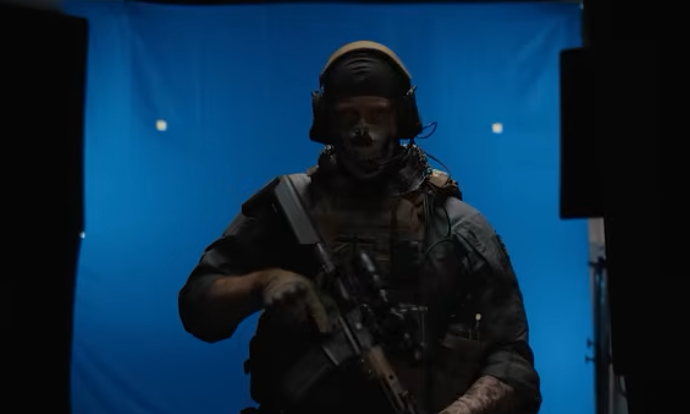
A surprising amount of what you see in the final key art isn’t digital painting—it’s real.
The studio organised an intensive, multi-day practical photoshoot using real-world military gear, advanced tactical rigs, and live models. To capture the authentic drapery of combat uniforms and the realistic reflection of light on visor glass, the team utilised a high-tech photogrammetry rig featuring over 150 DSLR cameras. This allowed the 3D artists to capture high-fidelity textures from every conceivable angle.
Phase 3: Composition and The “Golden Triangle”
If you look closely at the finalised key art, the composition is a masterclass in visual storytelling.
- The Focal Point: The main operator forms the apex of a strict triangular composition, drawing the eye immediately to the facial expression and the subtle wear-and-tear on the helmet.
- The Lighting Shift: The colour palette deliberately splits the frame. The left side is dominated by the cold, sterile blue of cyber-warfare and high-tech command centres, while the right side bleeds into the warm, chaotic amber of active thermite and battlefield embers.
Phase 4: The Final Polish
The final stage involved hundreds of hours of digital painting, compositing, and atmospheric effects. Particle effects like floating ash, lens flares from distant explosions, and the signature holographic UI elements were layered in to give the image a sense of motion. The goal was to make the viewer feel as though they caught a single, high-stakes frame of a live-action thriller.
The result is an instantly iconic piece of art that promises a grittier, deeper, and more calculated Modern Warfare than ever before.
Source – https://www.callofduty.com/uk/en
#ModernWarfare4 #CallOfDuty #GamingNews #BehindTheScenes #ConceptArt
Leave a Reply