

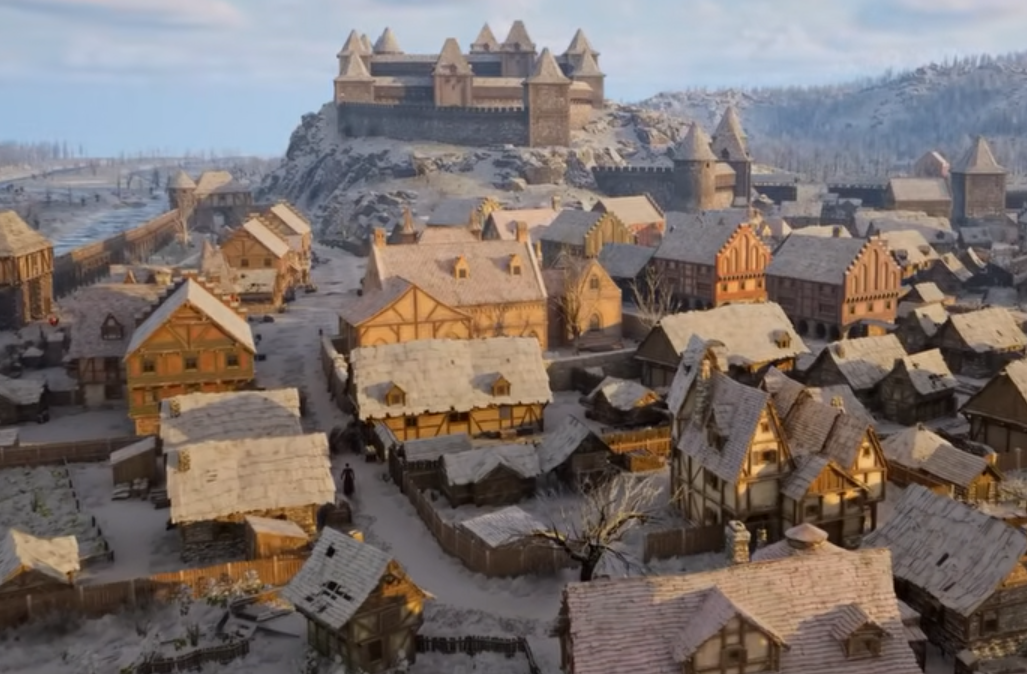
The sound of a medieval city is impossible to ignore: the constant hum of shouting merchants, the rhythmic ringing of hammers on anvils, and the hushed whispers of those plotting in the shadows. In the latest developer diary for The Guild – Europa 1410, Ashborne Games has pulled back the curtain on the four playable cities that will serve as the backdrop for your rising dynasty.
These aren’t just static maps; they are living, breathing ecosystems inspired by their 15th-century counterparts. Each city is shaped by distinct districts, each offering its own character, risks, and rewards.
The Four Pillars of the Empire
Your journey to power begins with a choice. Whether you want to dominate through silver, trade, or imperial influence, each of the four launch cities offers a unique strategic “flavour”:
| Nürnberg (Nürnberg) | Key Focus | Vibe & Strategic Edge |
| Kuttenberg (Kutná Hora) | Silver & Wealth | A mid-sized Bohemian powerhouse built on a rich silver vein. High profit potential for craftsmen. |
| Nuremberg (Nürnberg) | Politics & Commerce | A massive imperial hub with six districts and two marketplaces. Ideal for the politically ambitious. |
| Graz | Fortification & Power | A smaller, fortified “bulwark” city. Features five districts and the winding Mur river. |
| Wroc?aw | Trade & Natural Resources | A sprawling trade hub with five districts and several islets on the Oder river. |
Dynamic Districts: Risk vs. Reward
In The Guild – Europa 1410, where you set up shop is just as important as what you sell. The developers have introduced a layered system where cities are divided into districts, which are further broken down into quarters.
- The Marketplace Advantage: Setting up near the town centre ensures high foot traffic and easy profits, but the competition is fierce, and the eyes of the city guards are everywhere.
- The Outskirts: Choosing the fringe of the city offers more space and lower costs, but as the devs put it, “don’t act surprised if things get… stabby.” Beyond the walls, protection is a luxury you’ll have to provide yourself.
- Living History: These areas aren’t static. Districts evolve based on player actions and political shifts. You might take a run-down, crime-ridden slum and, through clever investment and office-holding, transform it into a bustling, respected religious quarter. Or, if it suits your criminal enterprise, you could do the exact opposite.
Shaping the World
The game introduces a new level of city management. If you hold the relevant political office, you aren’t just a resident; you’re an architect. You can choose to build city walls, new fountains, marketplaces, or even pillories to keep your rivals in check.
The ultimate goal? To make sure the law always favours your ambitions. Whether you’re enforcing order with a private guard or taking advantage of chaos to pickpocket unsuspecting citizens, every choice leaves a lasting impact on the city’s reputation and your family’s legacy.
“You’re not the only one chasing power. Rivals, families, and opportunists are all working to tip the scales in their favor—sometimes openly, sometimes from the shadows.”
The Guild – Europa 1410 is currently slated for a 2026 release on PC. Are you ready to claim your place in the Town Hall, or will you find your fortune in the dark alleys of the outskirts?
Which of the four cities do you think will be your first choice for building a medieval empire, and why?
Find out more here – https://s.team/a/2977260
#TheGuildEuropa1410 #AshborneGames #THQNordic #history #citybuilder #medieval #techmash #n5dave #gamingnews #gamers #gaming #videogames #empires
Leave a Reply